
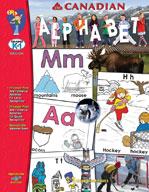






The Canadian Alphabet Grades Kindergarten to One
EBR1104
$35.99 CAD
Additional information:
- Author : Solski, Ruth
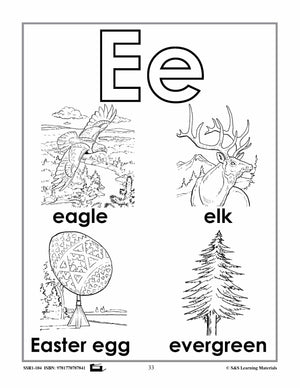
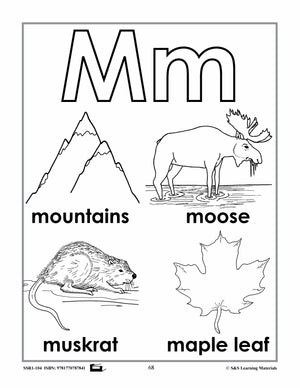
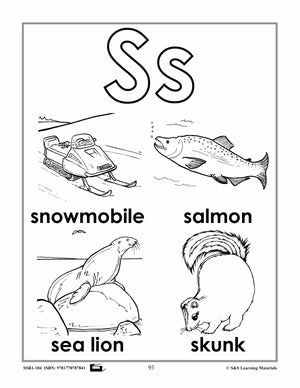
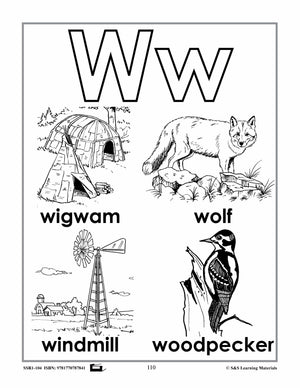
This resource has been designed, using a Canadian theme, to teach students the names and formations of the twenty-six letters of the alphabet and at the same time make them more aware of the various sounds the letters make. The Canadian theme provides the opportunity to expand student's knowledge about their own country along with strengthening their letter and sounds recognition. To become strong readers, young students must be able to recognize the letters of the alphabet and the sounds that they make. This resource has been designed to provide students with that strong base. There are individual lesson plans for letter identification, letter formation, and sound recognition for the 26 letters of the alphabet. 168 pages.
Contents of this resource:
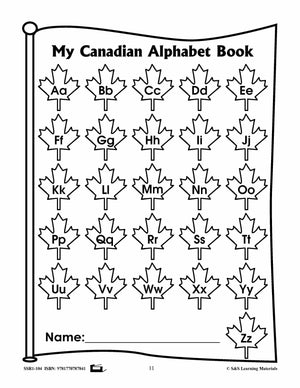
- Reproducible Cover for a Student Alphabet Book
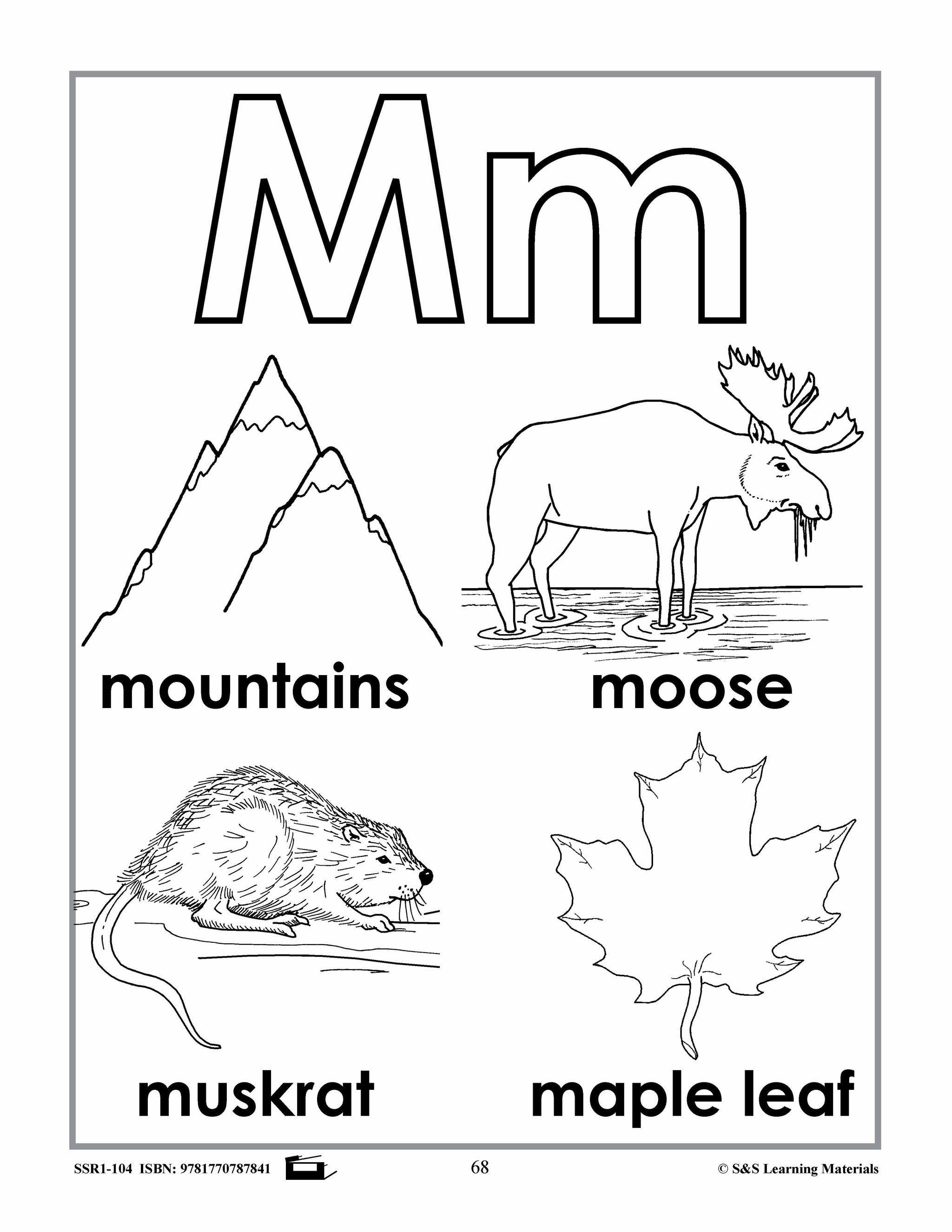
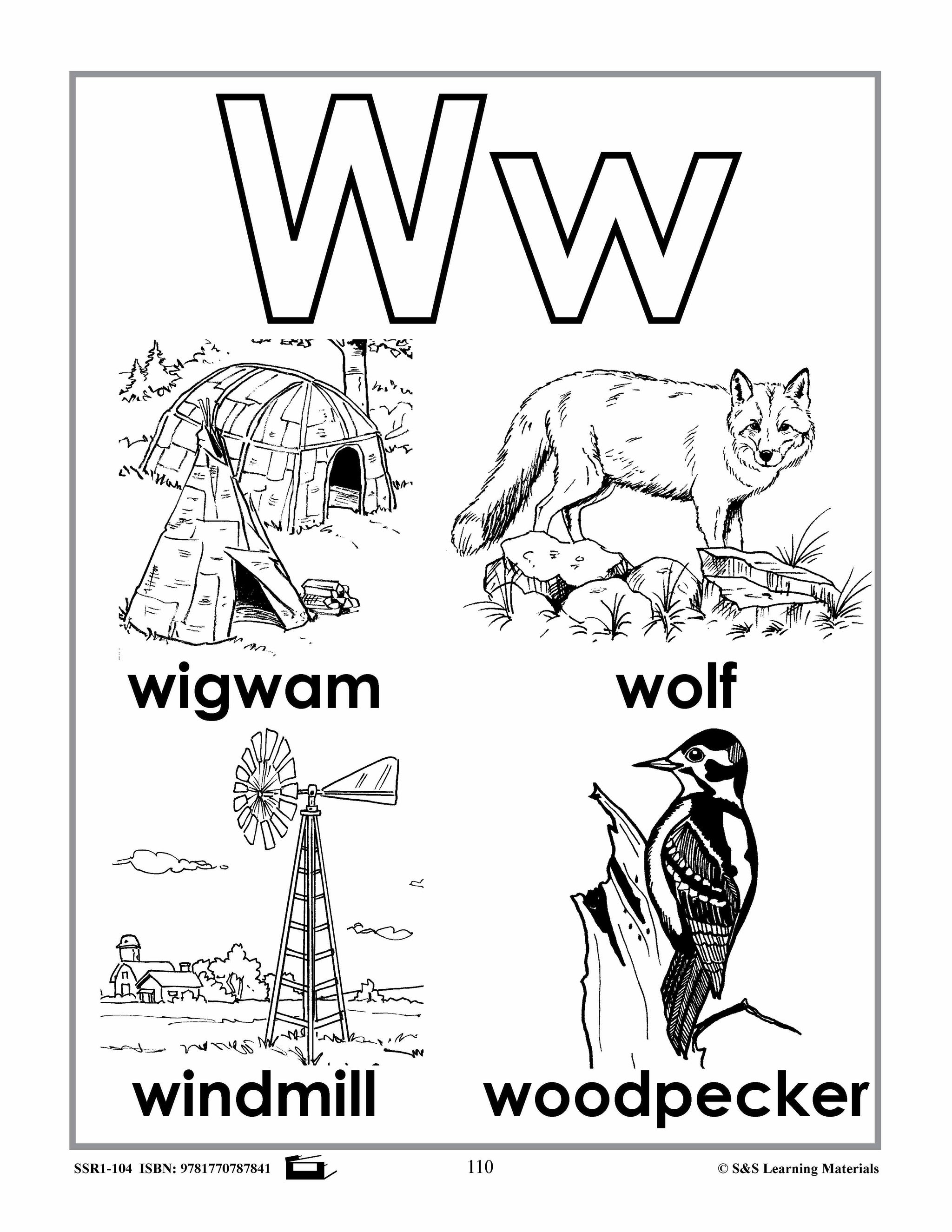
- Twenty-Six Lessons and Follow-up Activities to Develop the Recognition and Formation of the Letters of the Alphabet
- Twenty-Six Lessons and Follow-up Activities on Sound Recognition
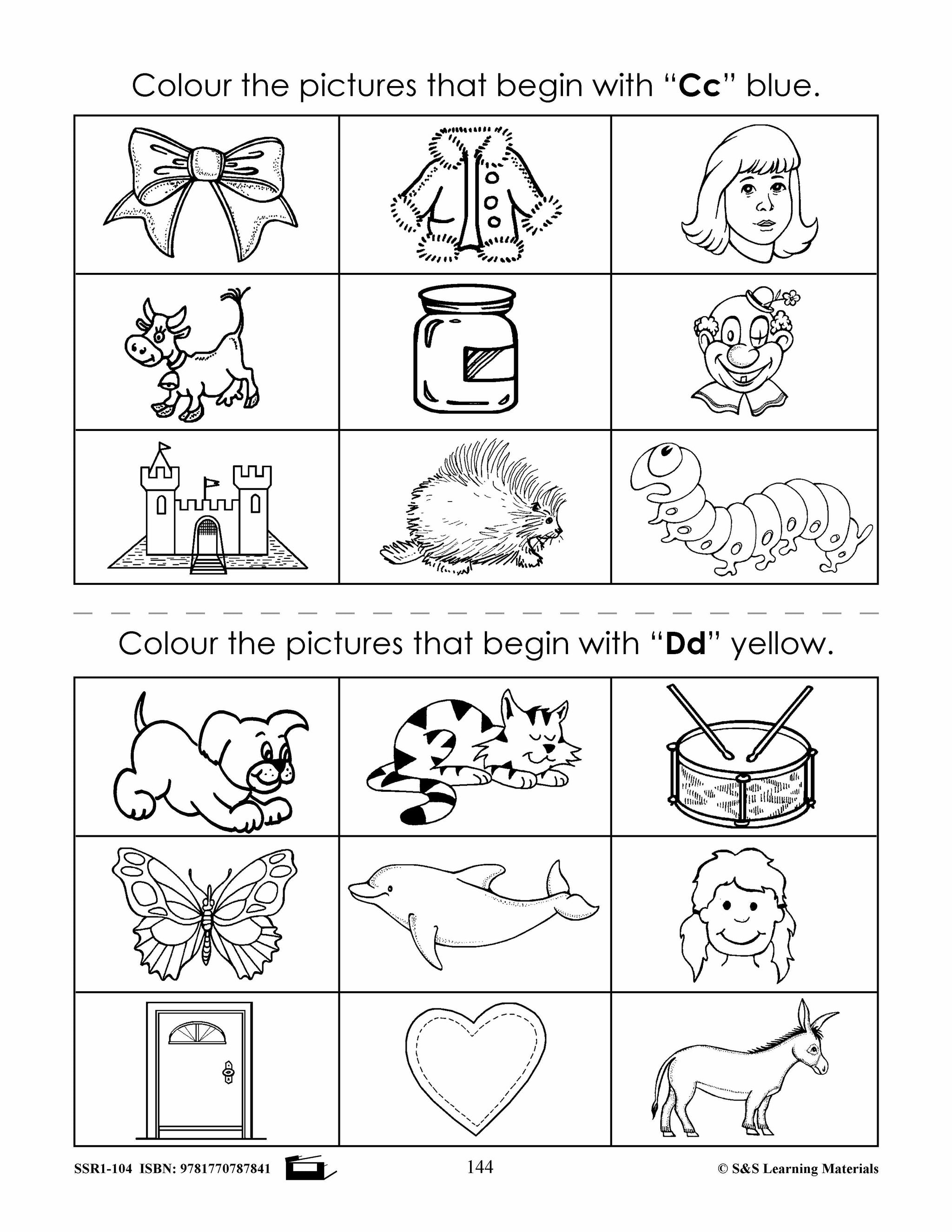
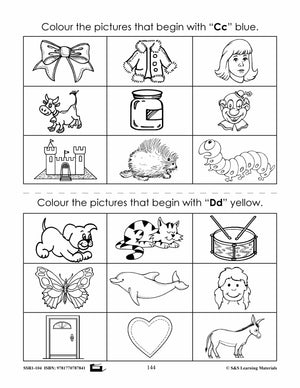
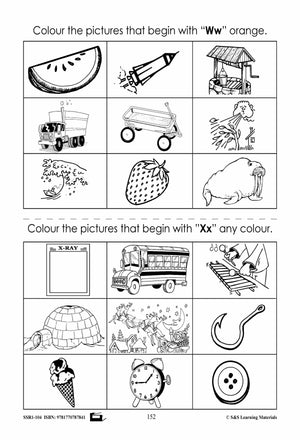
- Twenty-One Reproducible Half Page Initial Consonant Activities
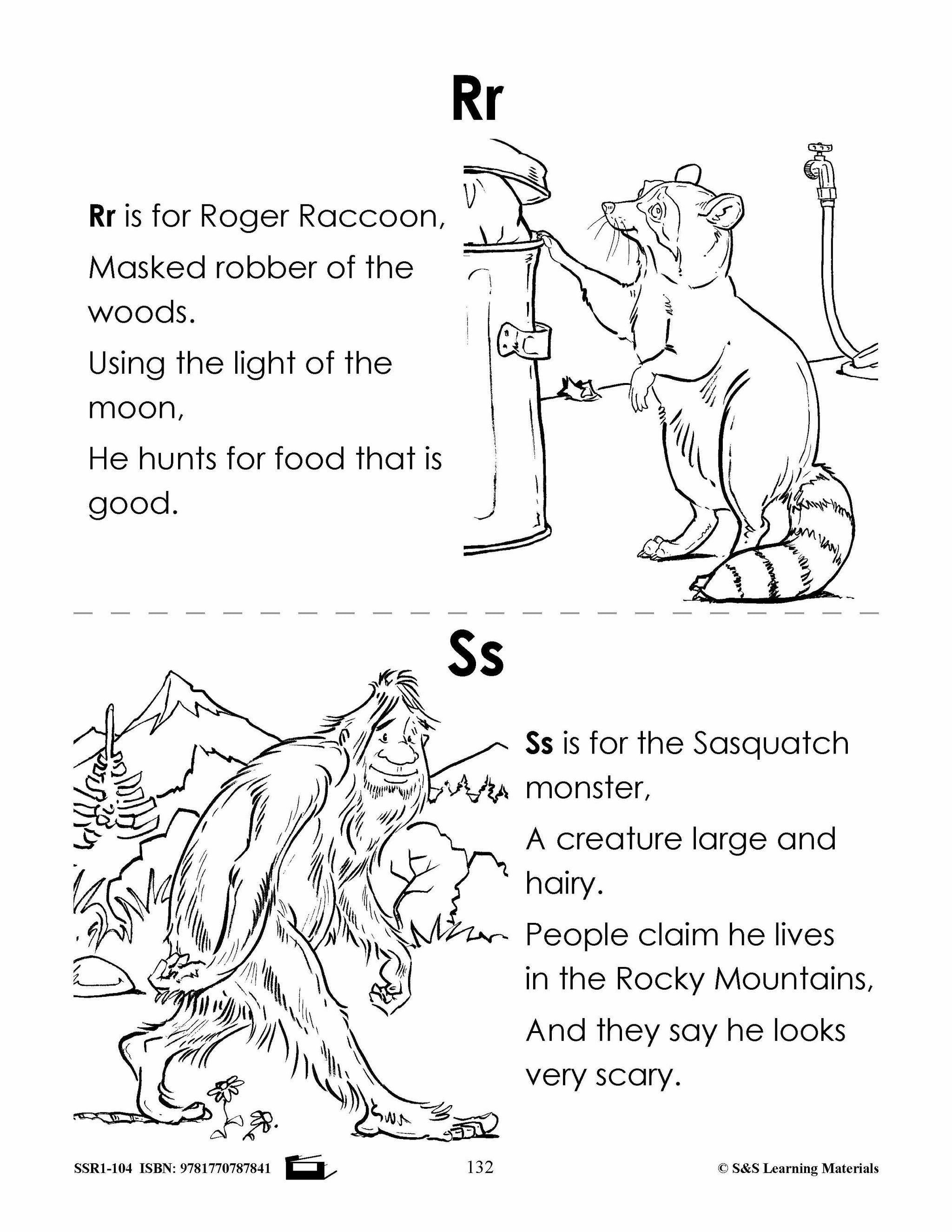
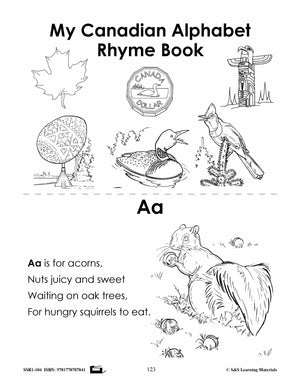
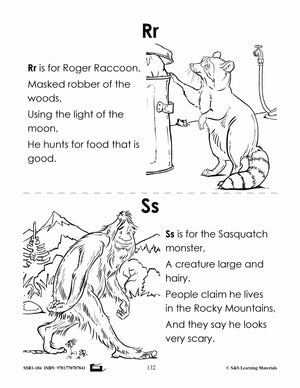
- Twenty-Six Half Page Reproducible Alphabet Booklet with Letters and Alphabet Rhymes
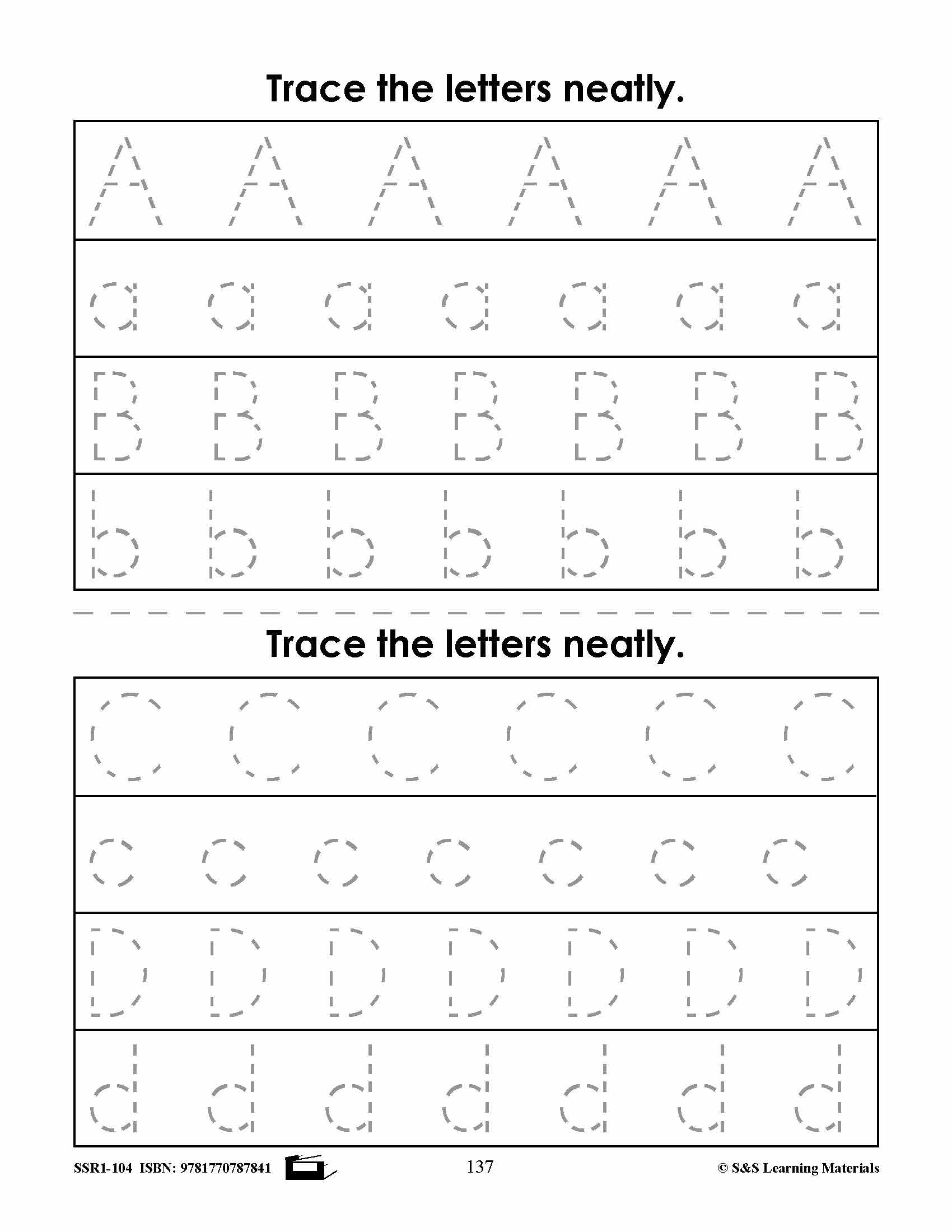
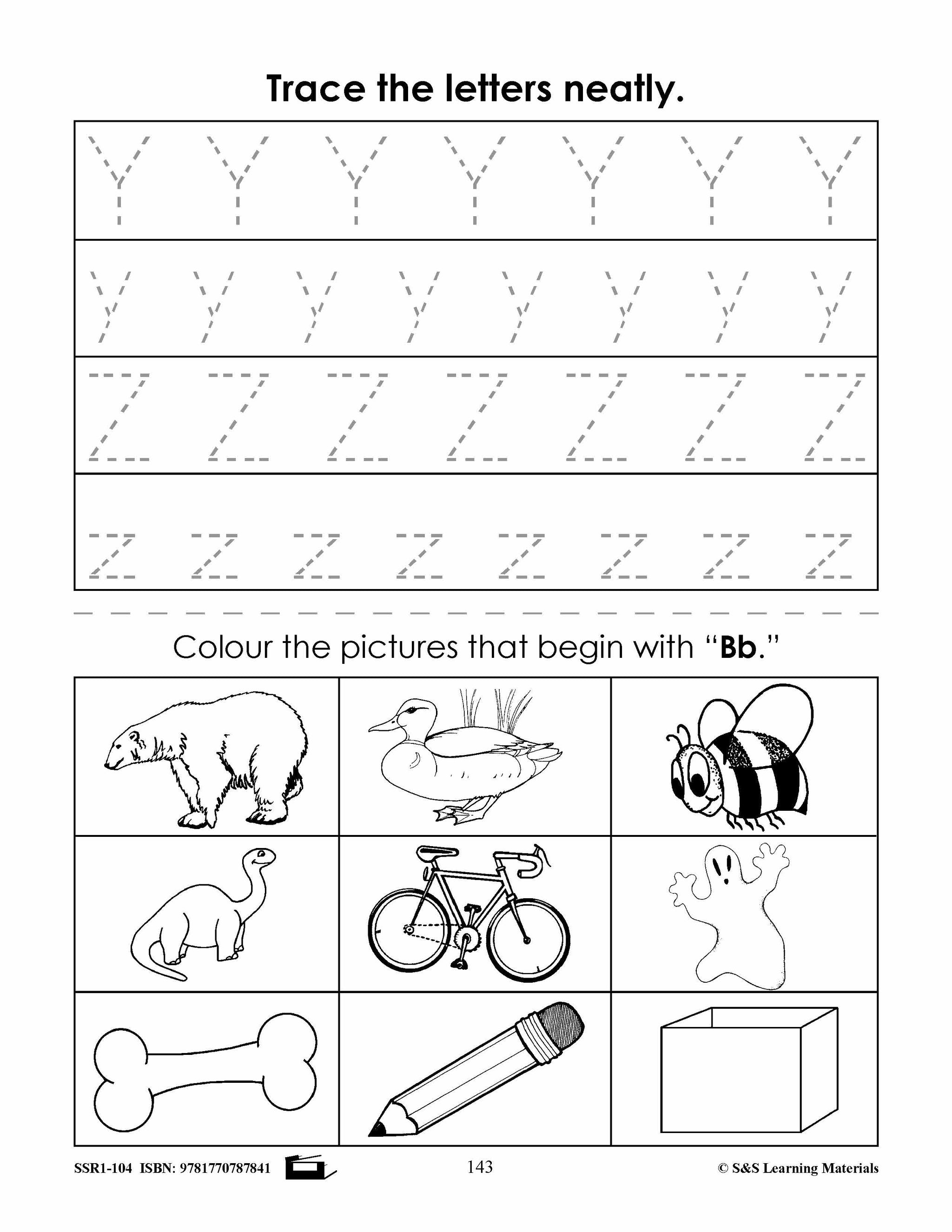
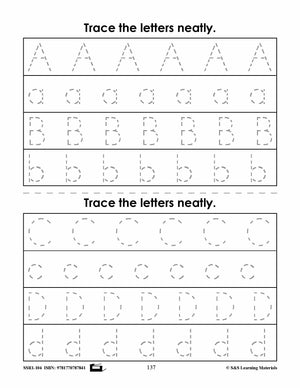
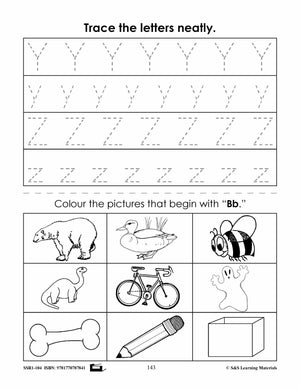
- Twelve Half Page Letter Tracing Activities
- Twenty-One Half Page Initial Consonant Recognition Activities
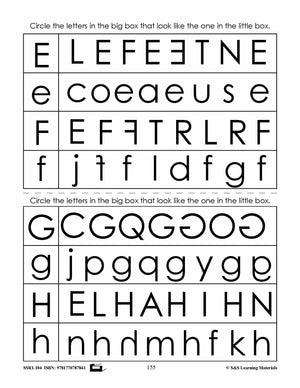
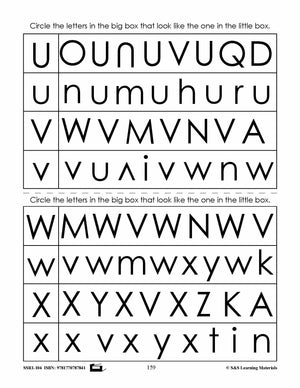
- Thirteen Half Page Letter Visual Discrimination Activities
- Tests on Upper- and Lower-Case Letter Recognition
- Tests on Recognition of Initial Consonants
- Alphabet Certificates
Introduction:
· Learning Expectations
· Teacher Assessment Rubric
· Student Self-Assessment Rubric
· Teacher Notes:
o About this resource
o Contents of this Resource
o Materials Required for Individual Lessons
o Teaching Organization
o Phonetic Sound Strategies
· Alphabet Awards
Individual Lessons
· Each letter of the alphabet has two lesson plan pages and two reproducible worksheet pages.
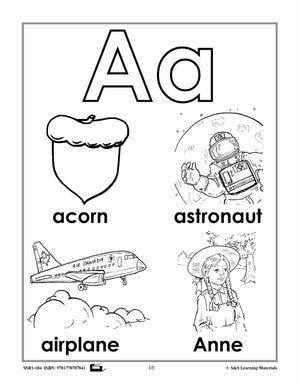
· Teaching the Recognition of the Upper- and Lower-Case Letter - Lesson Plan Page is to be used by the teacher for ideas on how to teach the name and formation of each letter.
· The Reproducible Alphabet Page is to be discussed and used by the students to make their own alphabet scrapbook
· Teaching the Recognition of the Letter and Its Sound(s) Page is to be used to discuss the sound(s) that each letter makes.
· The Reproducible Phonics Worksheet on the letter’s sound is to be discussed using the suggested ideas and questions to be asked to develop listening skills, following directions and motor skills.
Files Include:
- Reproducible Cover for a Student Alphabet Book
- Twenty-Six Lessons and Follow-up Activities to Develop the Recognition and Formation of the Letters of the Alphabet
- Twenty-Six Lessons and Follow-up Activities on Sound Recognition
Additional Activities:
· My Canadian Alphabet Rhyme Book
· Tracing Alphabet Letters Worksheets
· Initial Consonant Worksheets
· Visual Discrimination Worksheets
Tests:
· Teacher Notes: Student Testing
· Upper Case Letter Recognition Test #1
· Upper Case Letter Recognition Test #2
· Lower Case Letter Recognition Test #3
· Lower Case Letter Recognition Test #4
· Initial Consonant Sound Recognition Test
Provincial & Territorial Curriculum Expectations Met
This resource teaches letter recognition, sound recognition, phonemic awareness, visual discrimination, and early printing skills, it aligns strongly with Kindergarten and Grade 1 Language/ELA expectations across all Canadian provinces and territories.
“Identify upper case letters,” “Recognition of initial consonant sounds,” “Tracing letter forms,” “Ability to apply visual discrimination skills,” and “Recognition of long and short vowel sounds.”
Below is a province‑by‑province breakdown.
Ontario (K–1) – Language Curriculum
Kindergarten Program (4 Frames)
Literacy & Mathematics Behaviours
- Demonstrate awareness of most letters (K1.5)
- Identify letter sounds (K1.6)
- Demonstrate phonological awareness (K1.7)
- Use writing behaviours (K1.8)
Citations:
“Identify upper case letters”
“Recognition of initial consonant sounds”
“Tracing letter forms”
Grade 1 Language
Phonics & Word Reading
- Identify most letter–sound relationships
- Blend and segment sounds
- Recognize long/short vowels
Writing Foundations
- Form upper‑ and lowercase letters
- Print legibly
- Use left‑to‑right directionality
British Columbia (K–1) – English Language Arts
Big Ideas
- Language and story help us make sense of the world
- Curiosity about language builds understanding
Curricular Competencies
- Recognize letter–sound correspondences
- Use phonemic awareness to decode
- Develop printing skills
- Engage in oral language activities
Citations:
“Ability to follow oral directions”
“Recognition of likes and differences in letters”
Alberta (K–1) – English Language Arts & Literature
Kindergarten
- Identify letters and sounds
- Demonstrate phonemic awareness
- Print some letters
- Use visual discrimination
Grade 1
- Apply phonics to decode
- Print legibly using correct formation
- Recognize long/short vowels
Citations:
“Recognition of long and short vowel sounds”
“Understands letter formation”
Saskatchewan (K–1) – English Language Arts
Comprehend & Respond
- Recognize letters and sounds
- Develop phonemic awareness
Compose & Create
- Form letters correctly
- Use left‑to‑right progression
Assess & Reflect
- Use self‑assessment (your rubric matches this perfectly)
Manitoba (K–1) – English Language Arts
Early Literacy Learning
- Letter recognition
- Sound–symbol relationships
- Visual discrimination
- Early printing skills
Citations:
“Colouring within limitations”
“Tracing letter forms”
Quebec – English Language Arts (Cycle 1)
(Even though Quebec uses competencies, the match is clear.)
Competency 1: Uses language to communicate
- Recognize letters and sounds
- Follow oral instructions
Competency 2: Reads and listens to texts
- Identify letters and their sounds
- Recognize patterns in print
Competency 3: Produces texts
- Form letters correctly
- Use directionality
Atlantic Provinces (NB, NS, PEI, NL) – K–1 ELA
All four provinces share the Atlantic Canada ELA Curriculum, which includes:
Early Literacy Outcomes
- Identify uppercase and lowercase letters
- Demonstrate phonemic awareness
- Recognize initial consonant sounds
- Recognize long/short vowels
- Form letters correctly
- Use left‑to‑right progression
Citations:
“Using left to right progression”
“Recognition of sequence order of the letters”
Territories (YK, NT, NU)
All three territories use provincial curricula (BC, Alberta, or adapted versions).
Therefore, the resource meets:
- Letter recognition
- Sound recognition
- Phonemic awareness
- Visual discrimination
- Early printing skills