
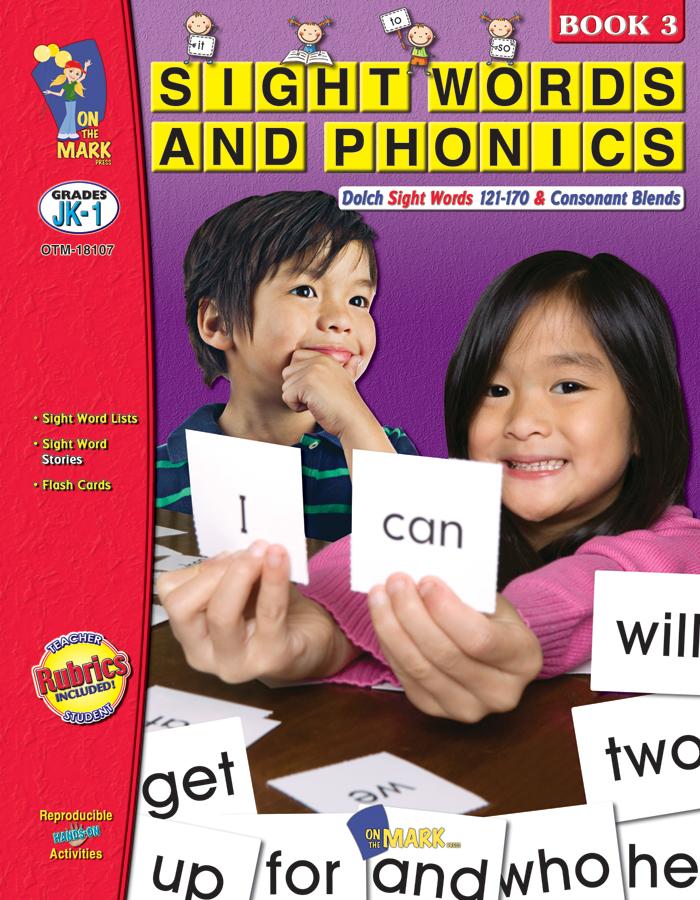
Sight Words & Phonics Book 3 Grades Junior Kindergarten to Grade 1
EBOTM18107
$39.99 CAD
Additional information:
- Author : Fischer, Sandi
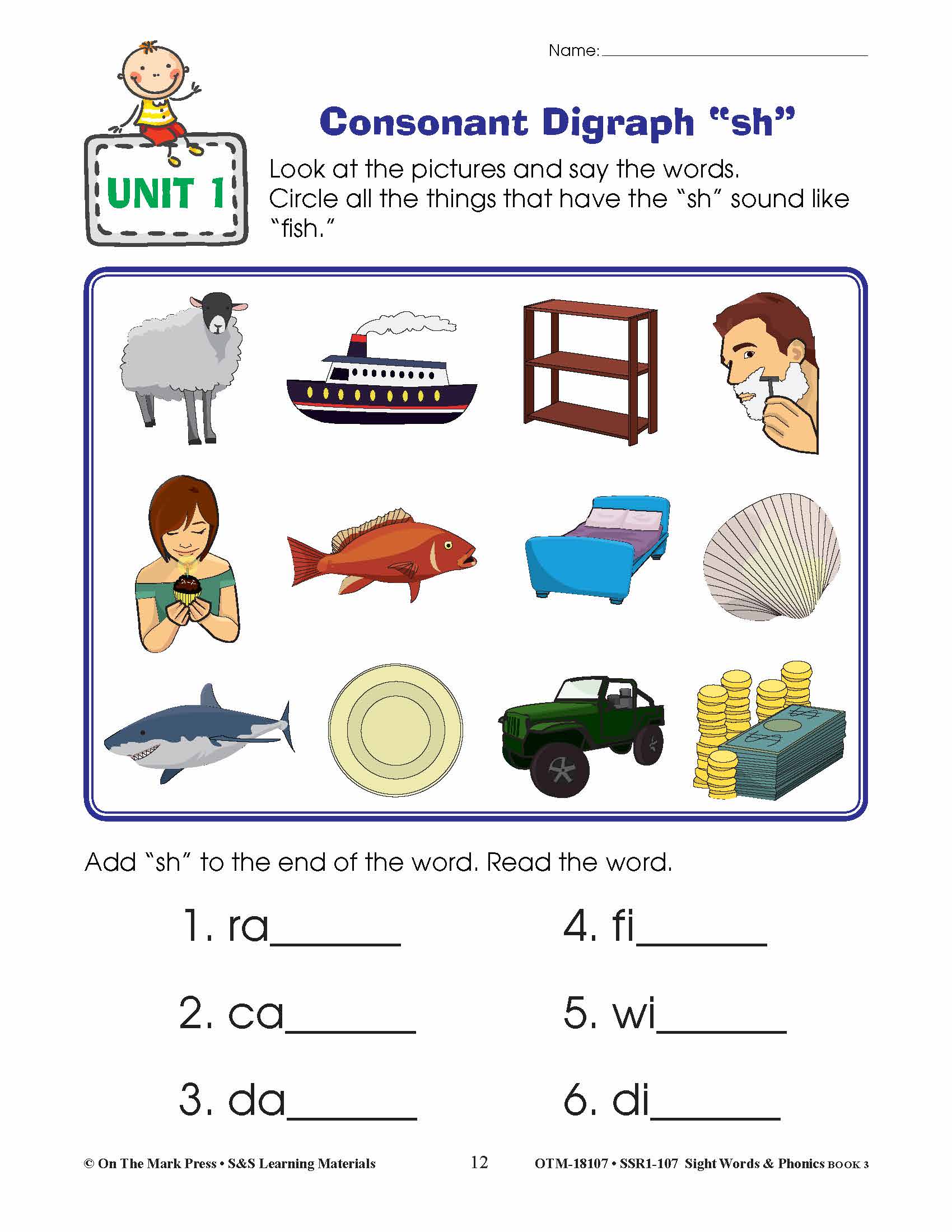
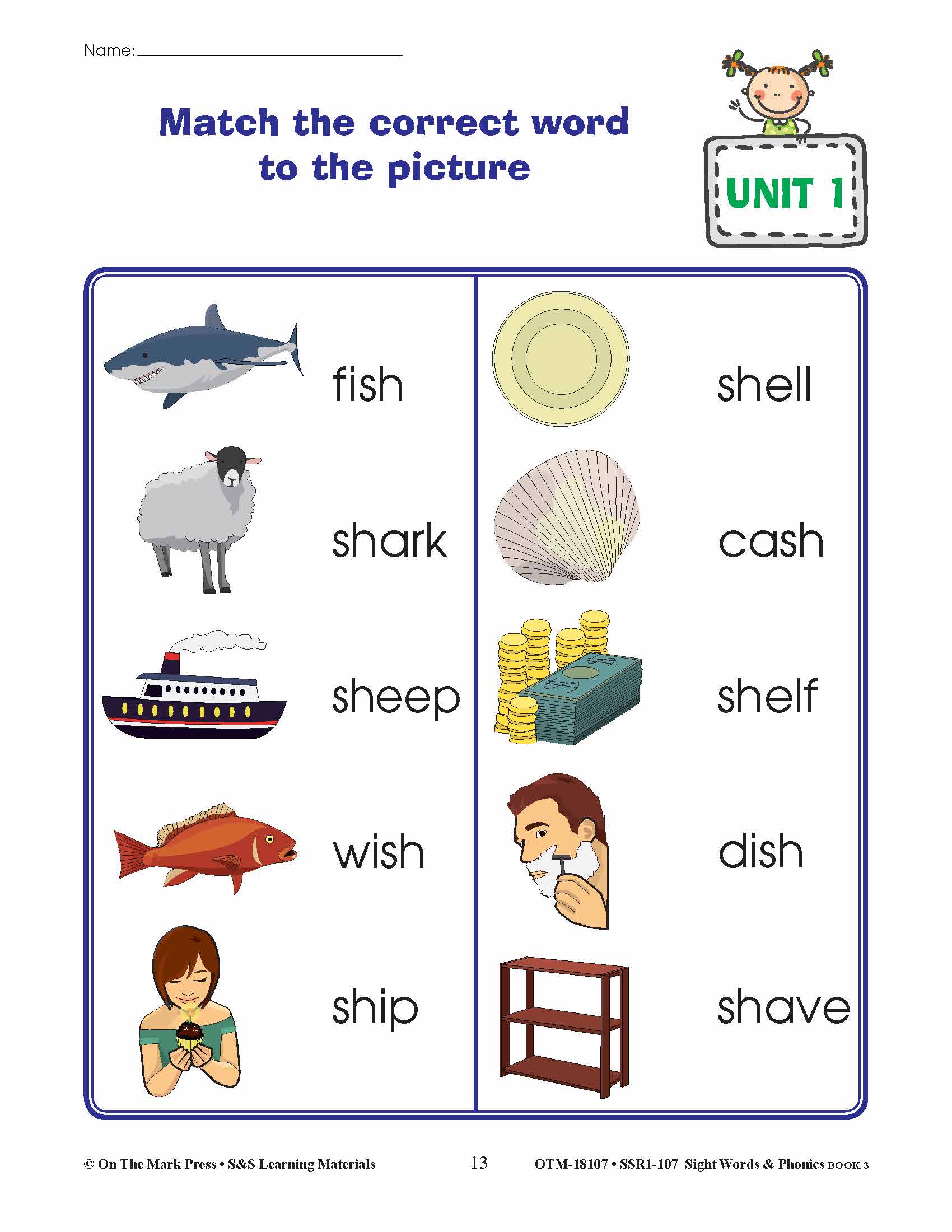
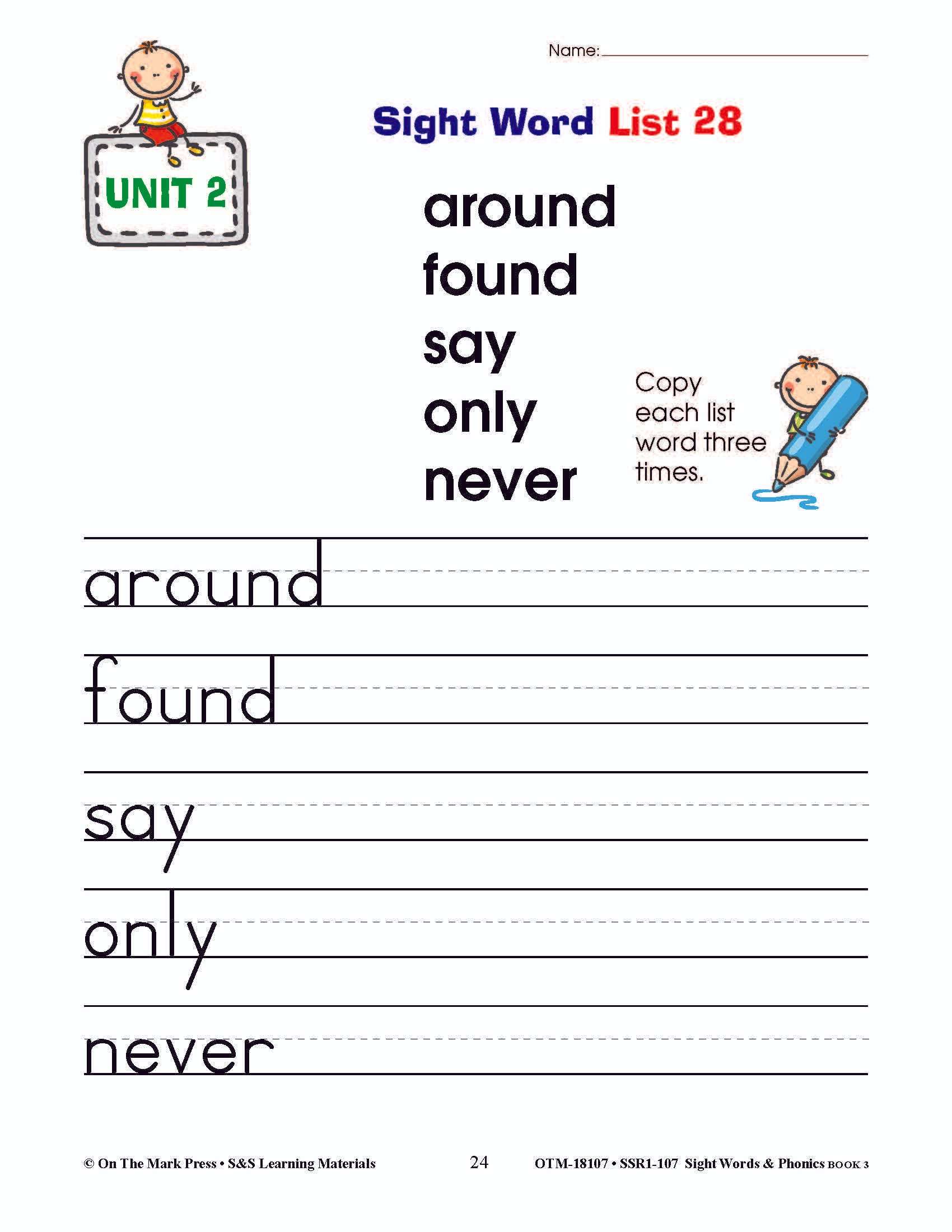
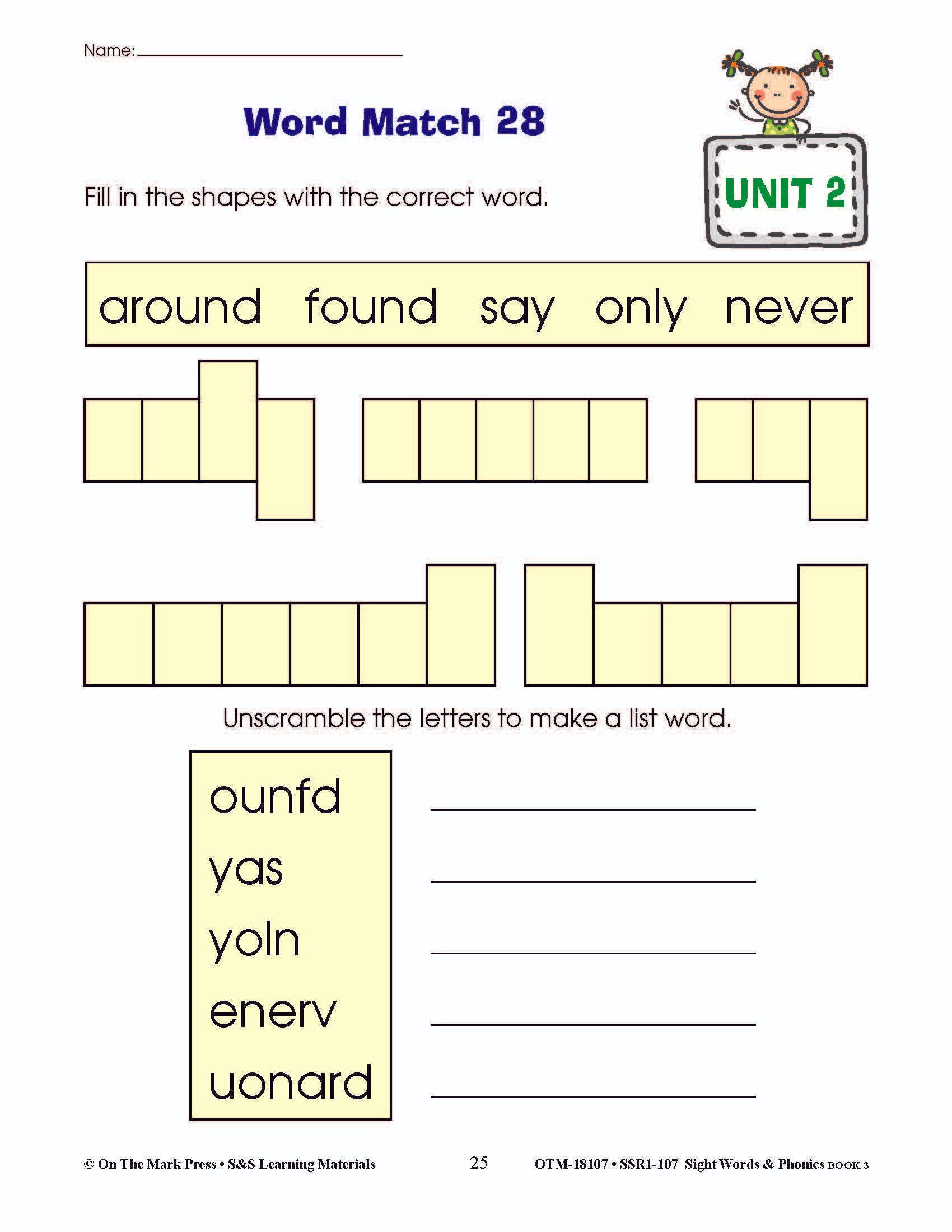
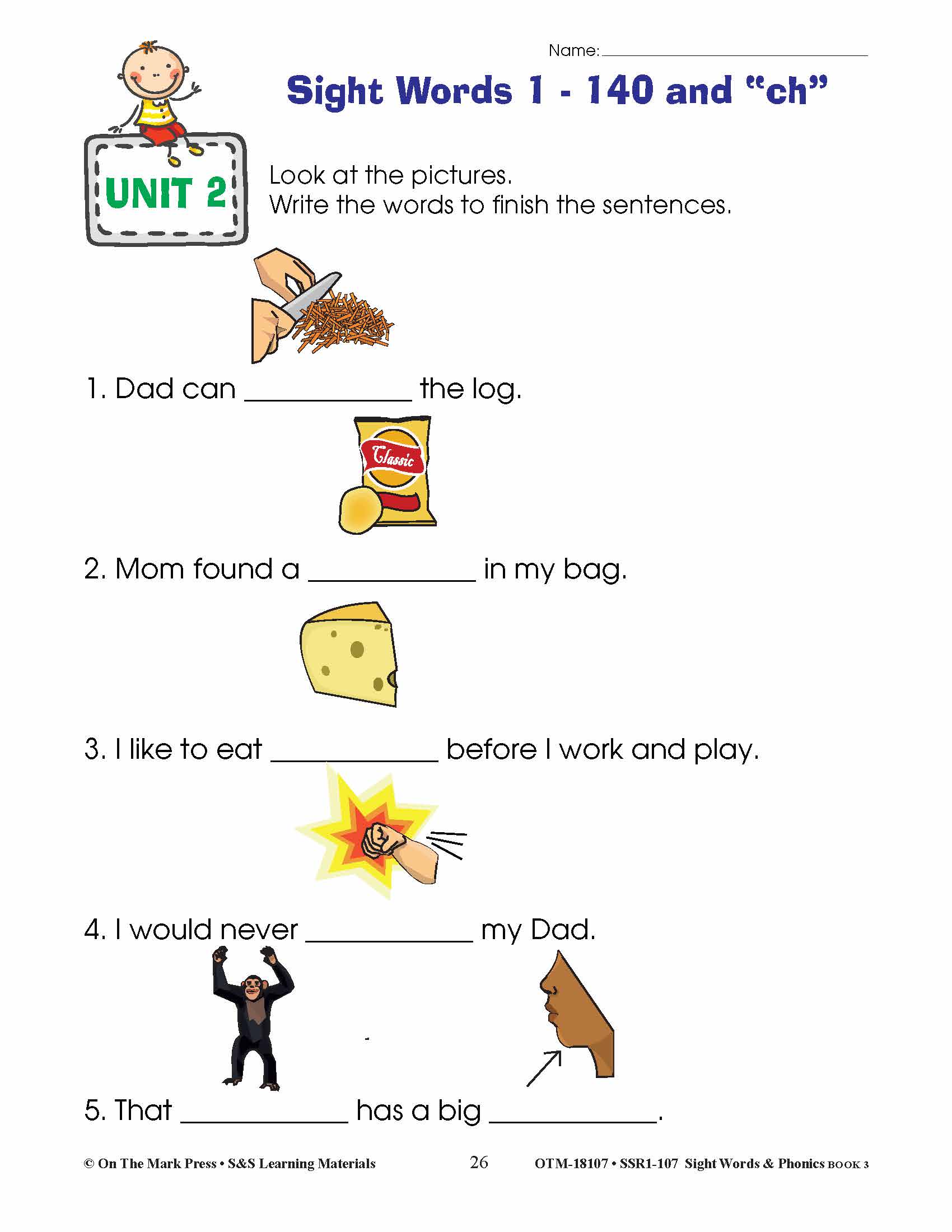
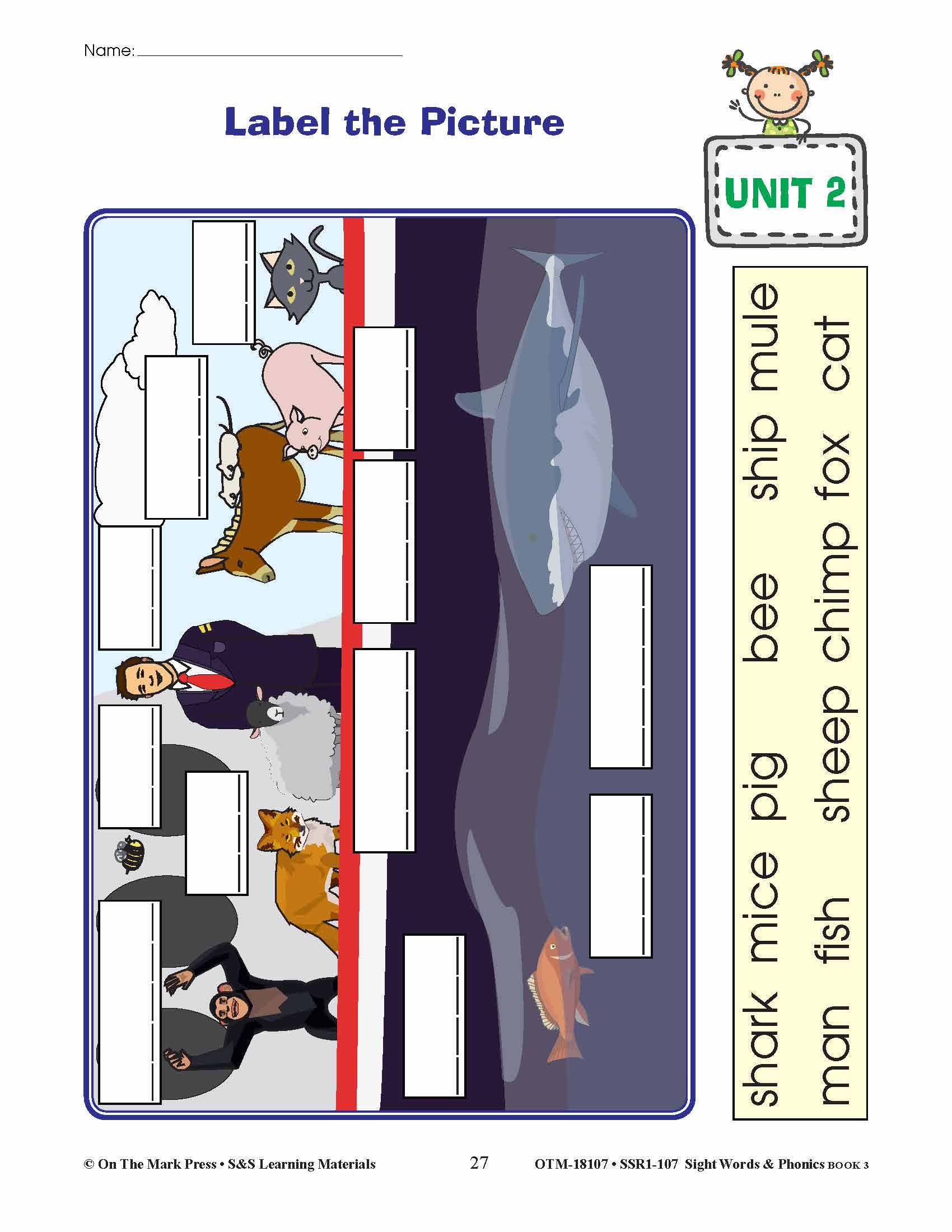
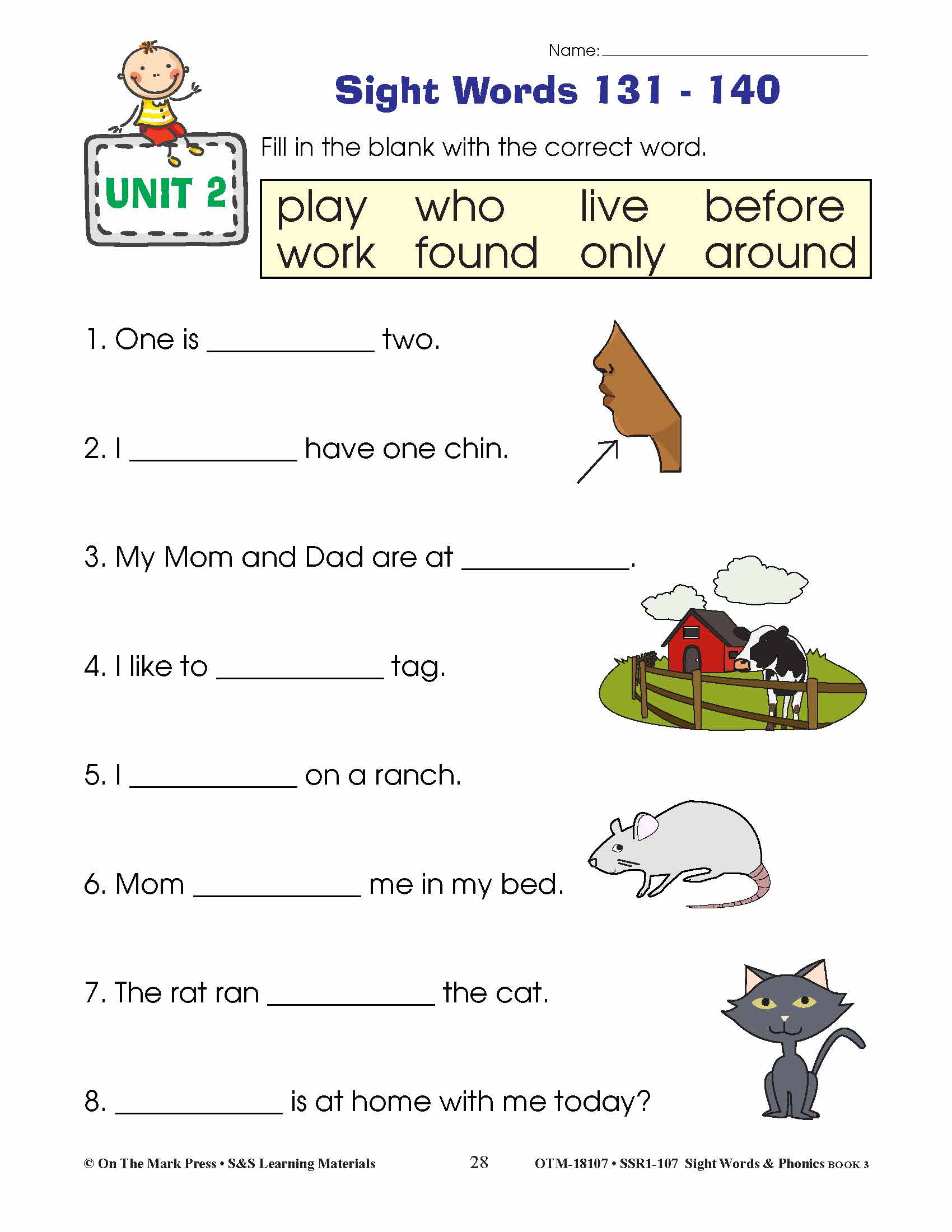
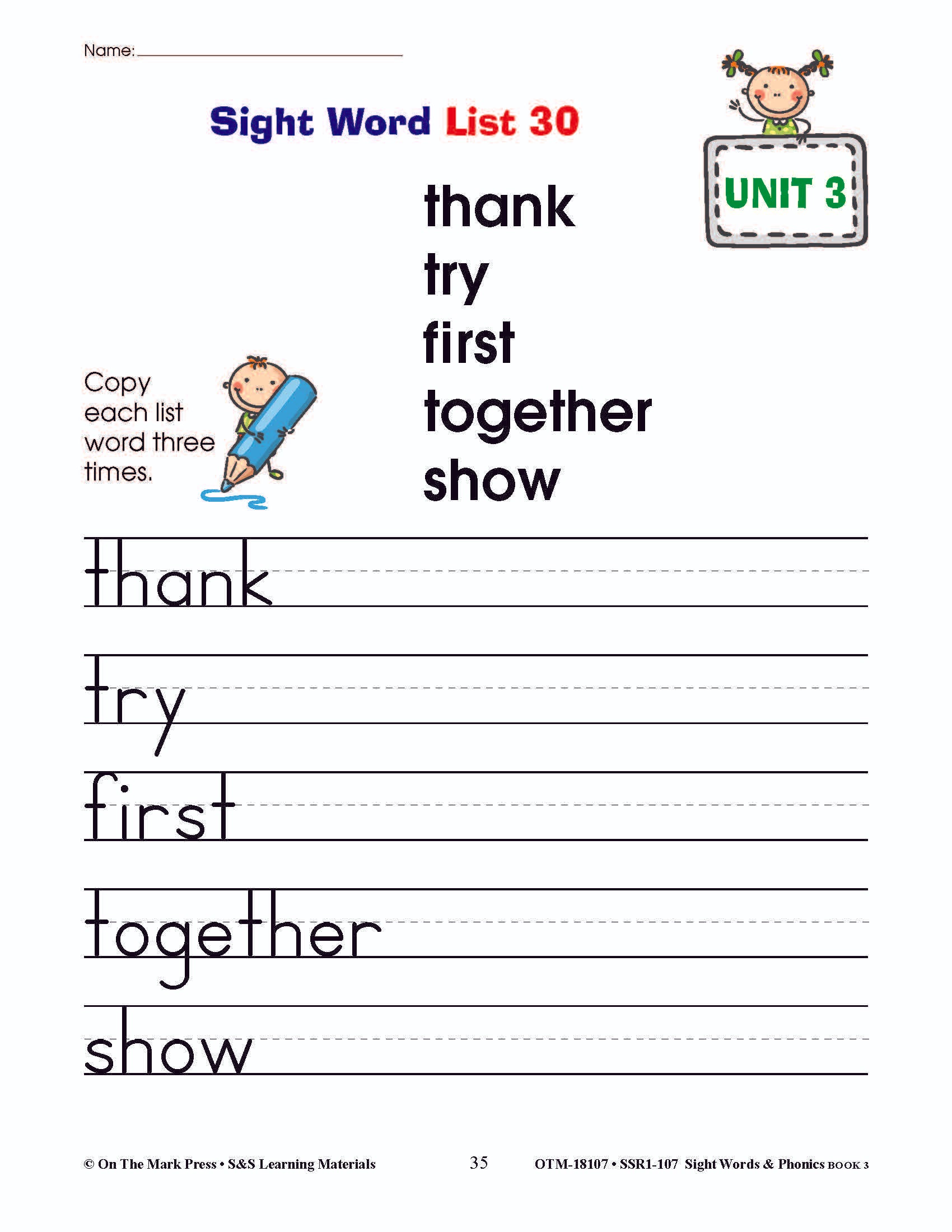
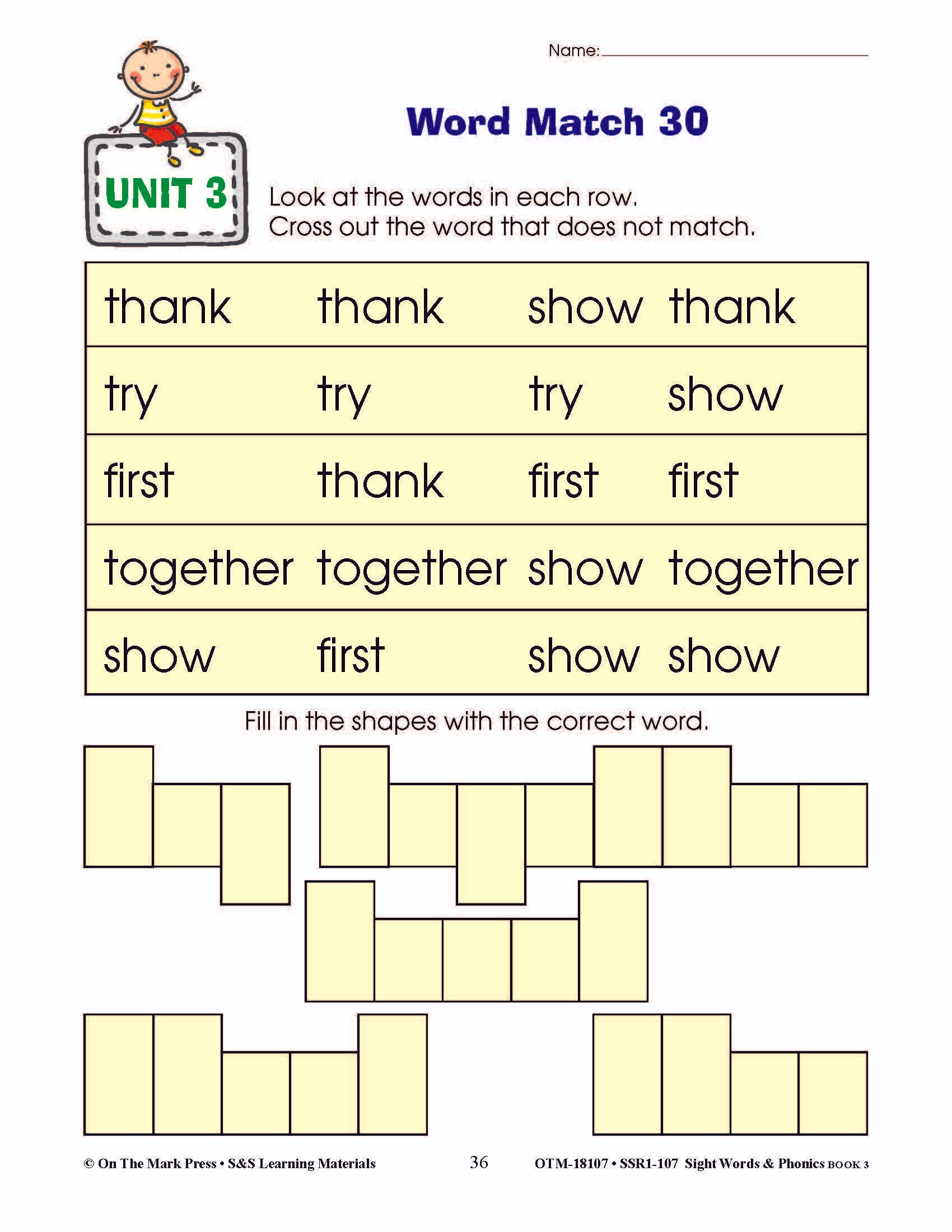
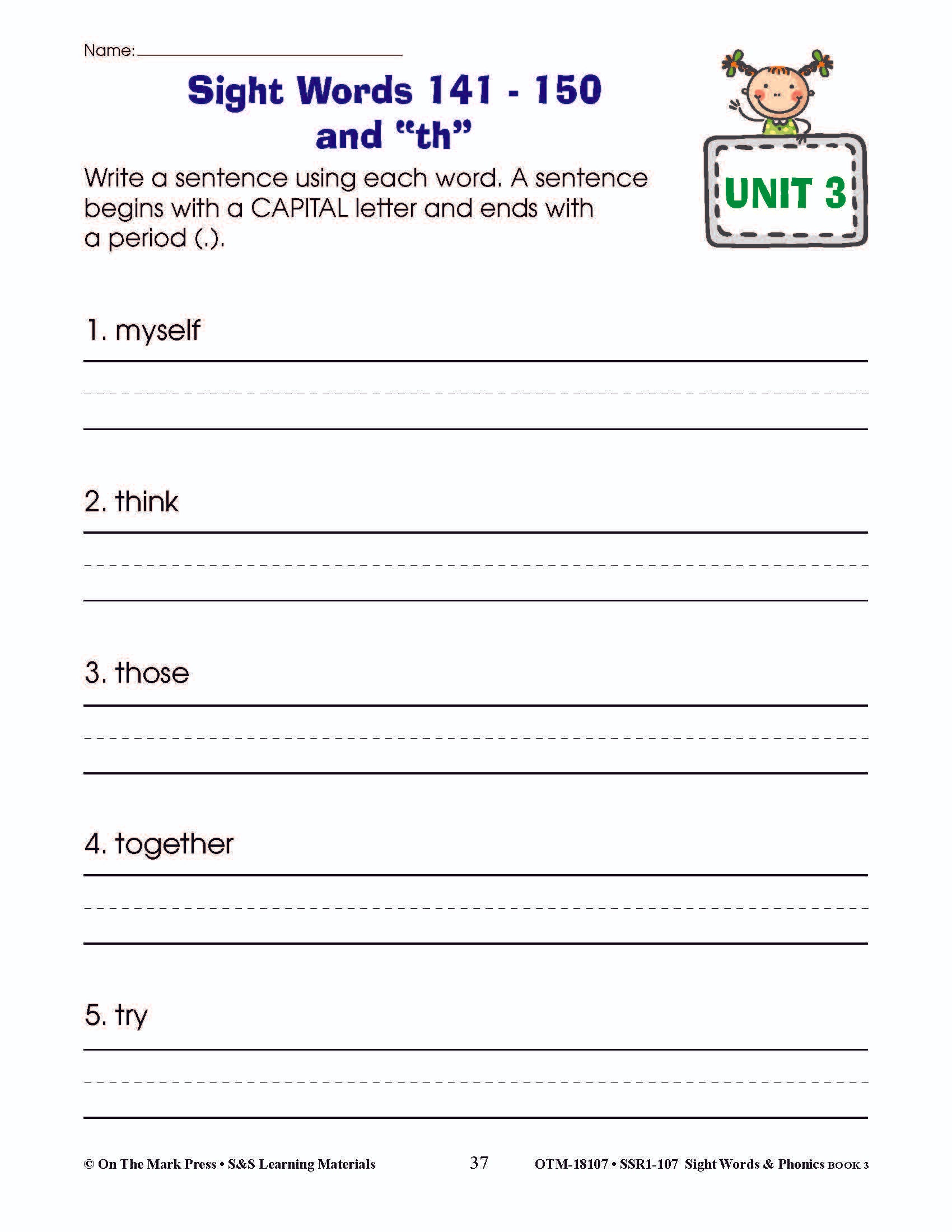
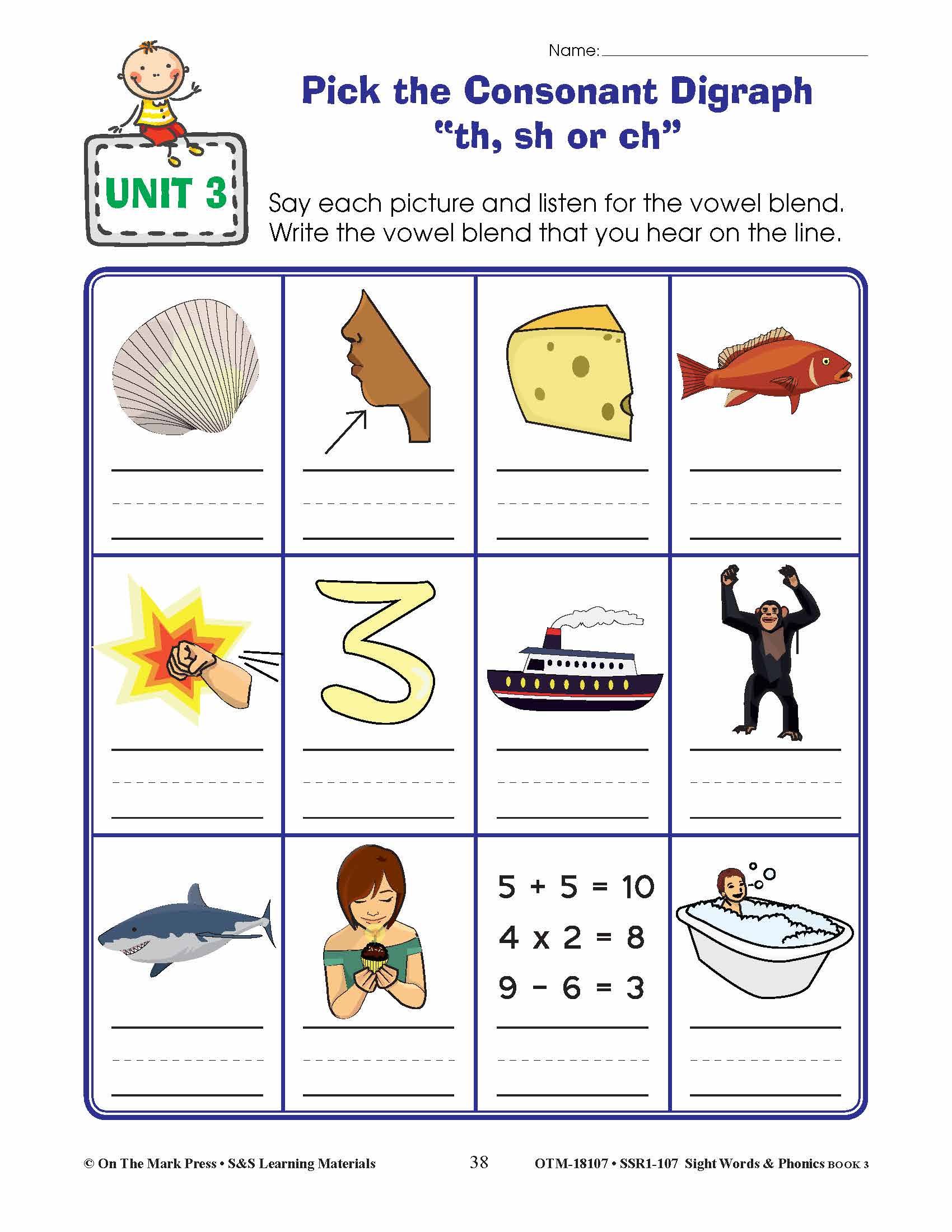
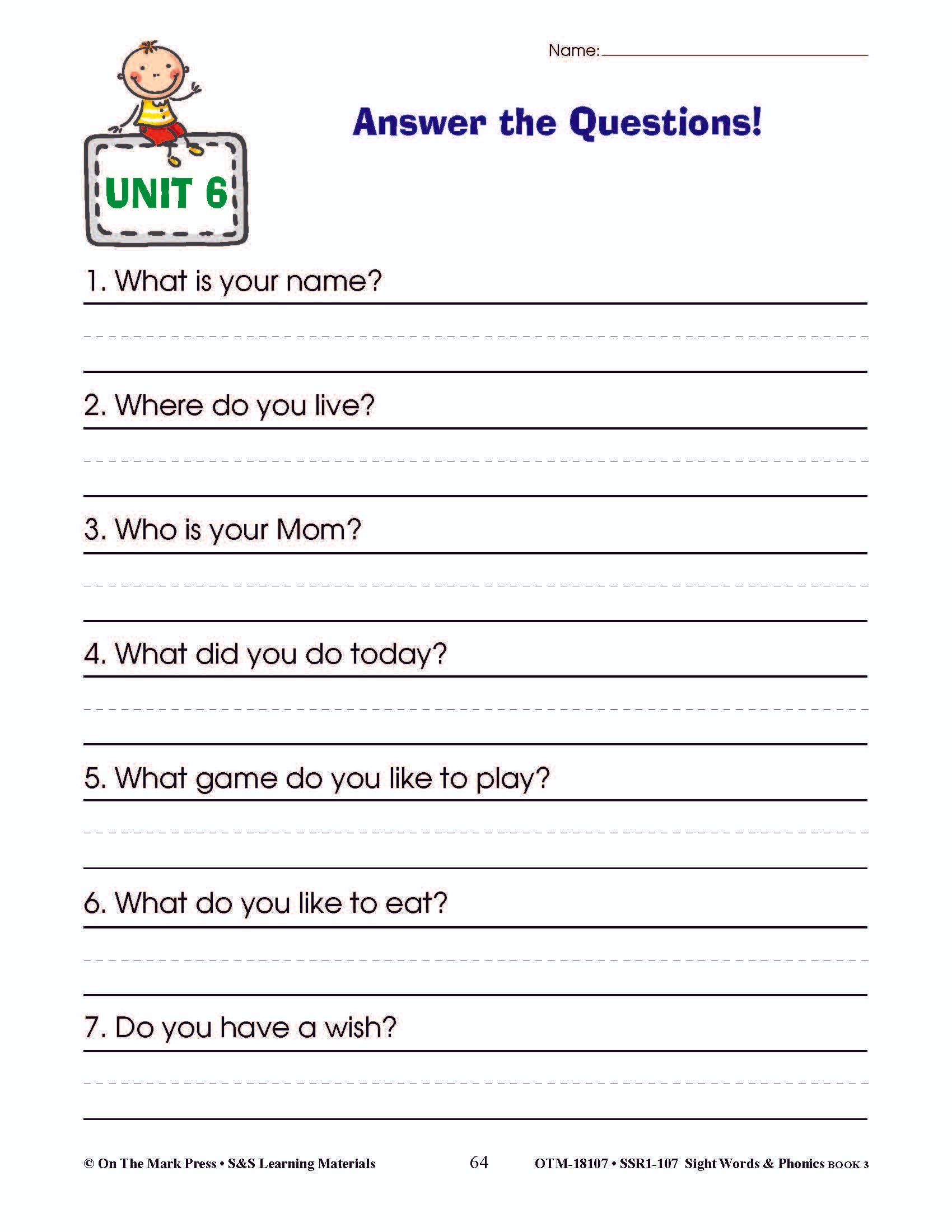
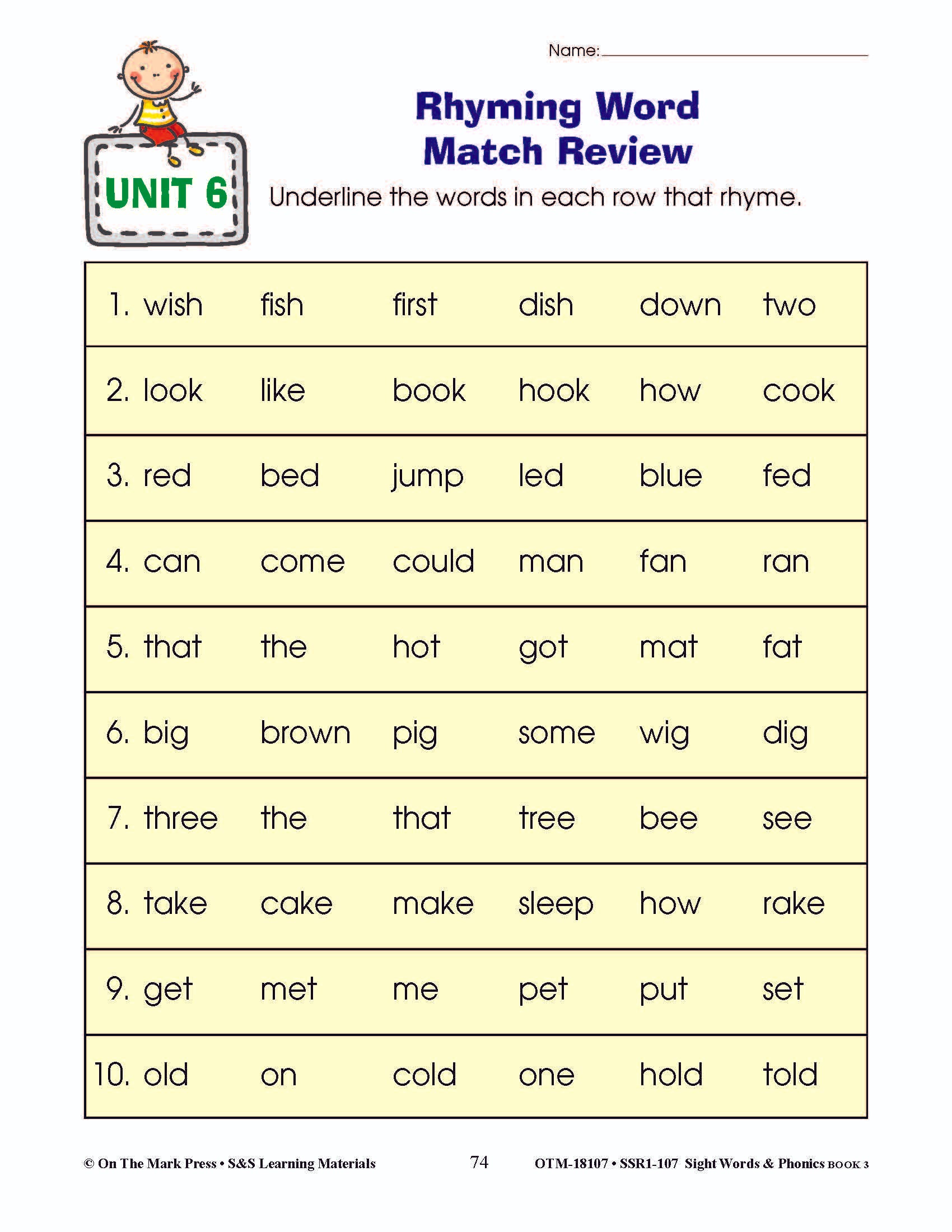
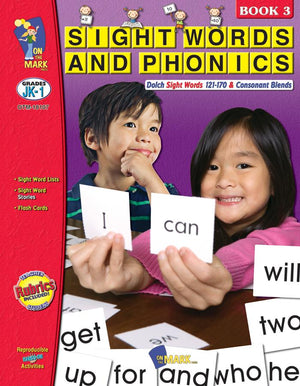
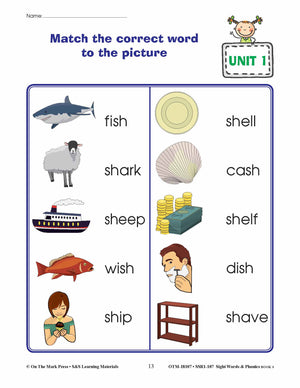
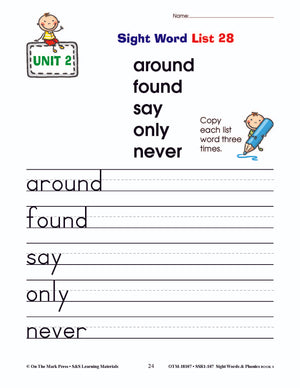
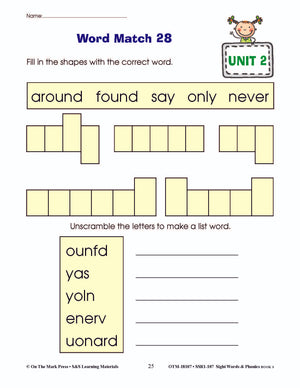
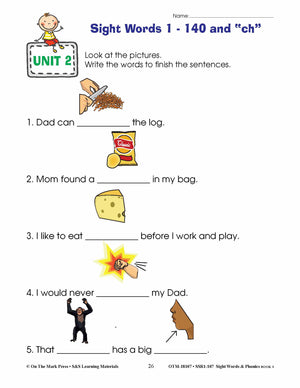
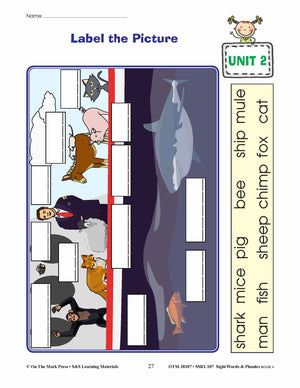
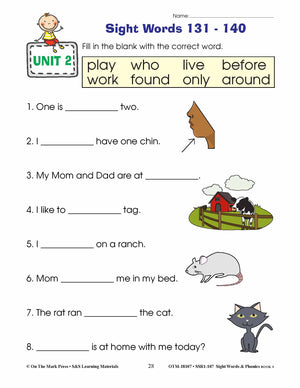
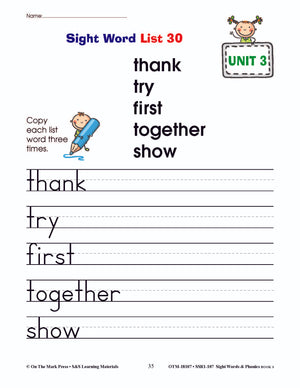
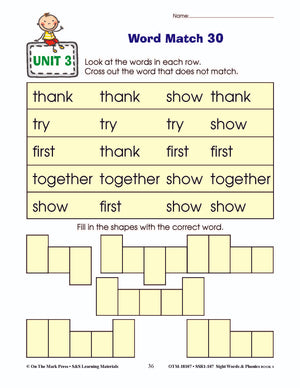
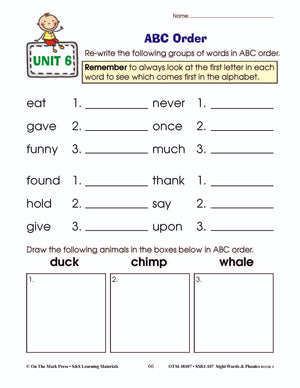
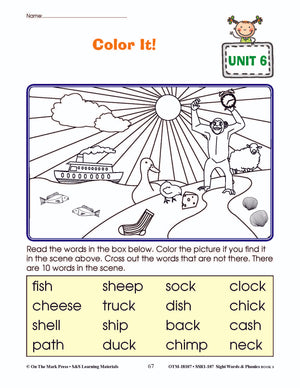
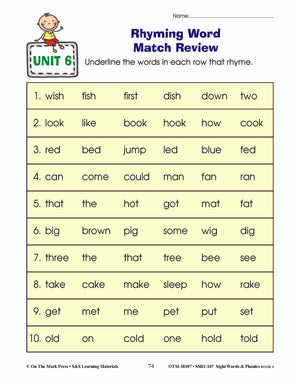
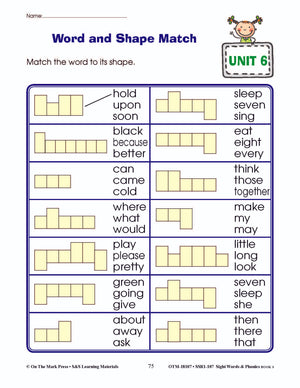
Boost early reading success with Sight Words & Phonics Book 3, teaching Dolch Sight Words 121–170 and key phonics digraphs (sh, ch, th, wh, ck). This workbook includes tracing, matching, sentence building, decodable stories, assessments, ABC order, plurals, and rhyming activities. Fully aligned to Canadian provincial JK–1 literacy standards and U.S. Common Core Grade 1 (RF.1.2, RF.1.3, RF.1.4, L.1.1, W.1.3). Perfect for classrooms, tutoring, and home learning.
A unique resource designed for emerging readers and readers having difficulty or requiring review at any level.
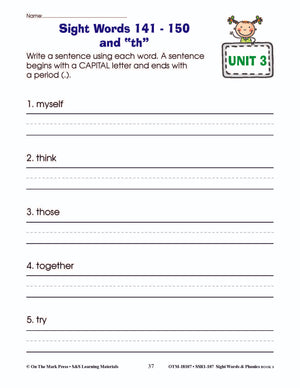
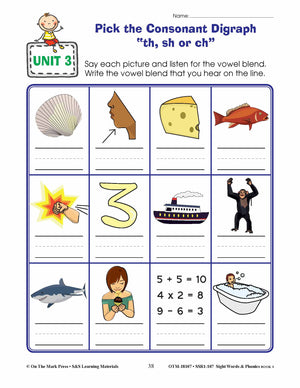
Designed to assist educators and parents to build and improve reading skills through the introduction of the third set of 50 Dolch Sight Words and the reinforcement of important Phonics skills. At the same time vowel combinations are introduced and reinforced.
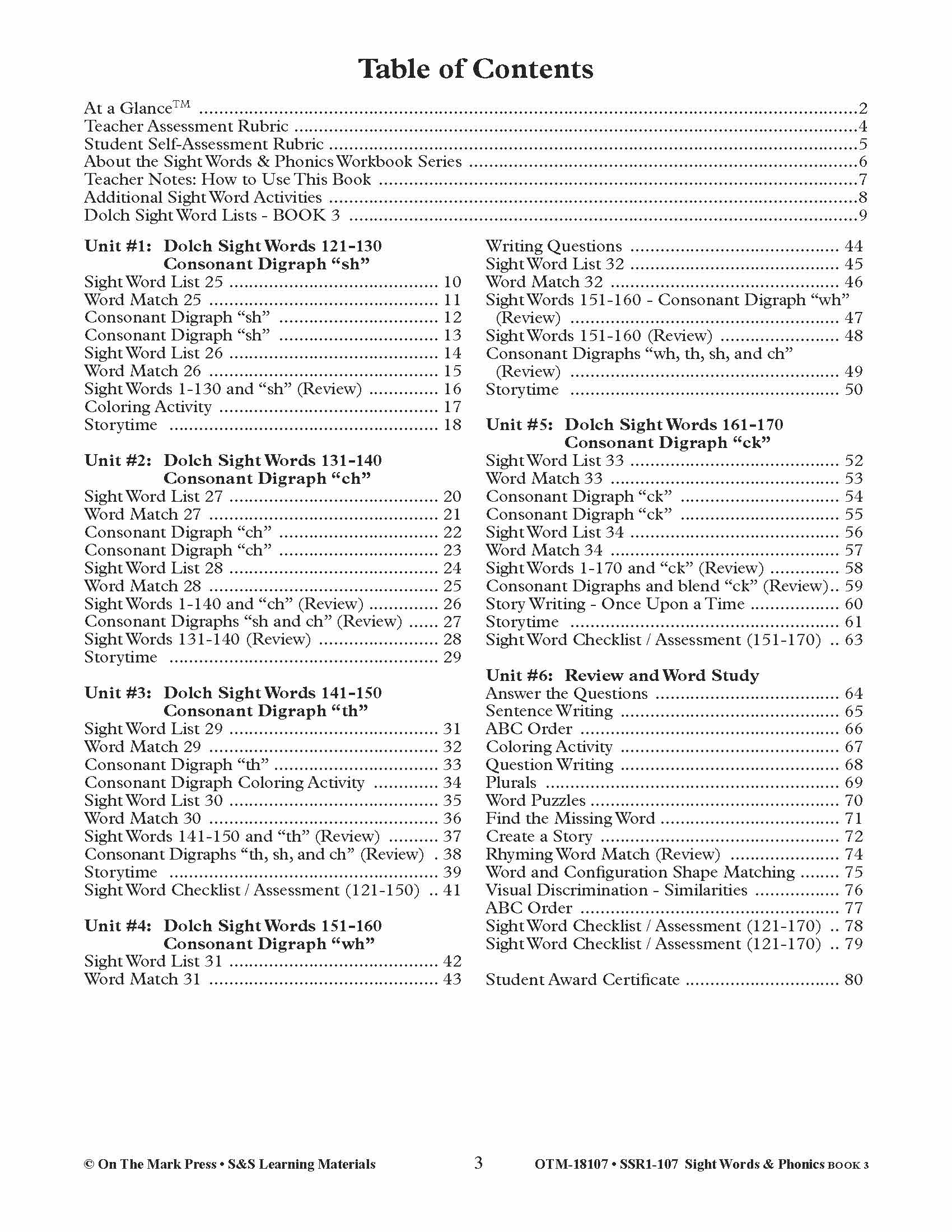
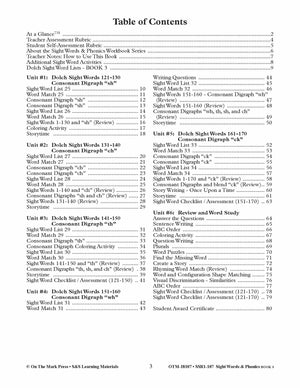
There are six units in the workbook. It is easy to use and a proven method for improved reading!
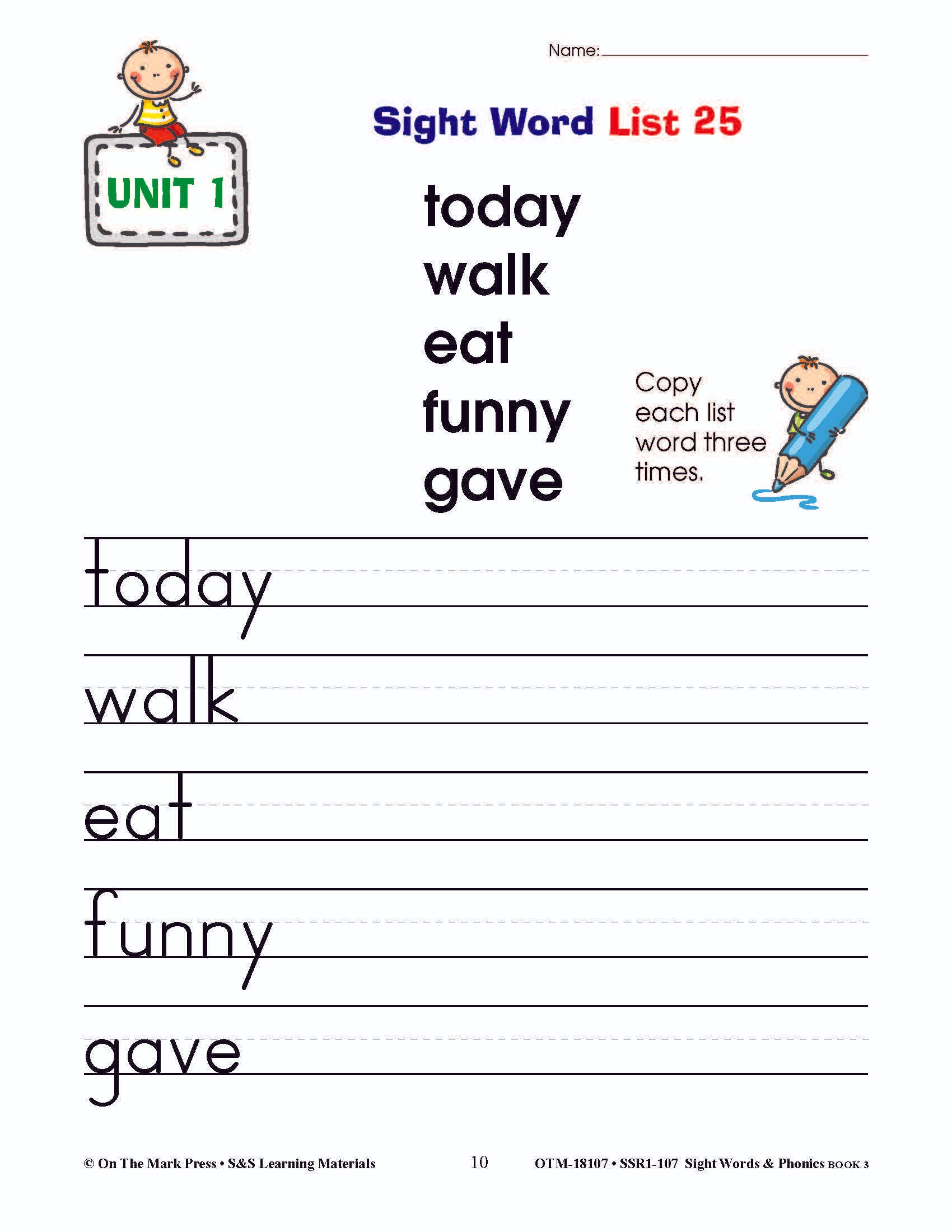
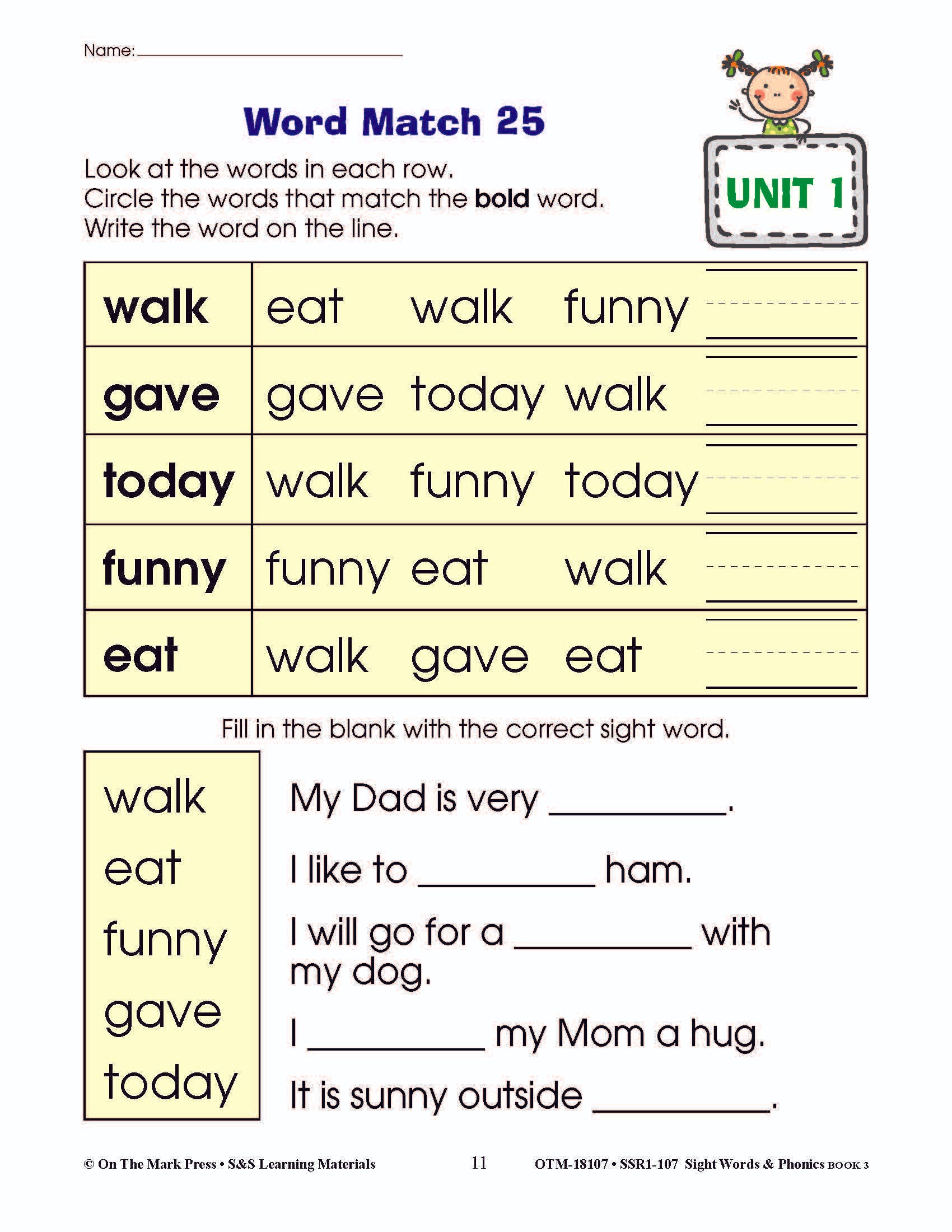
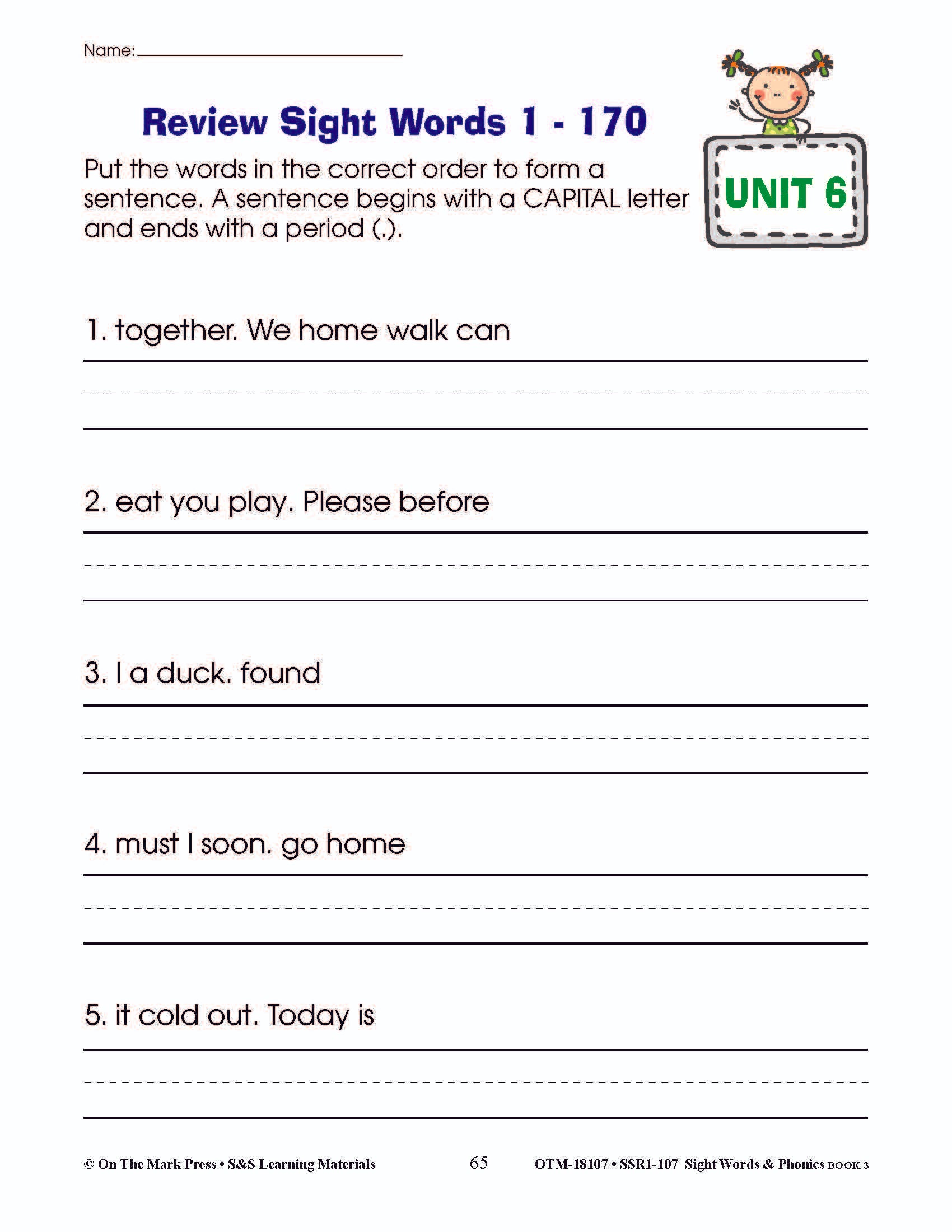
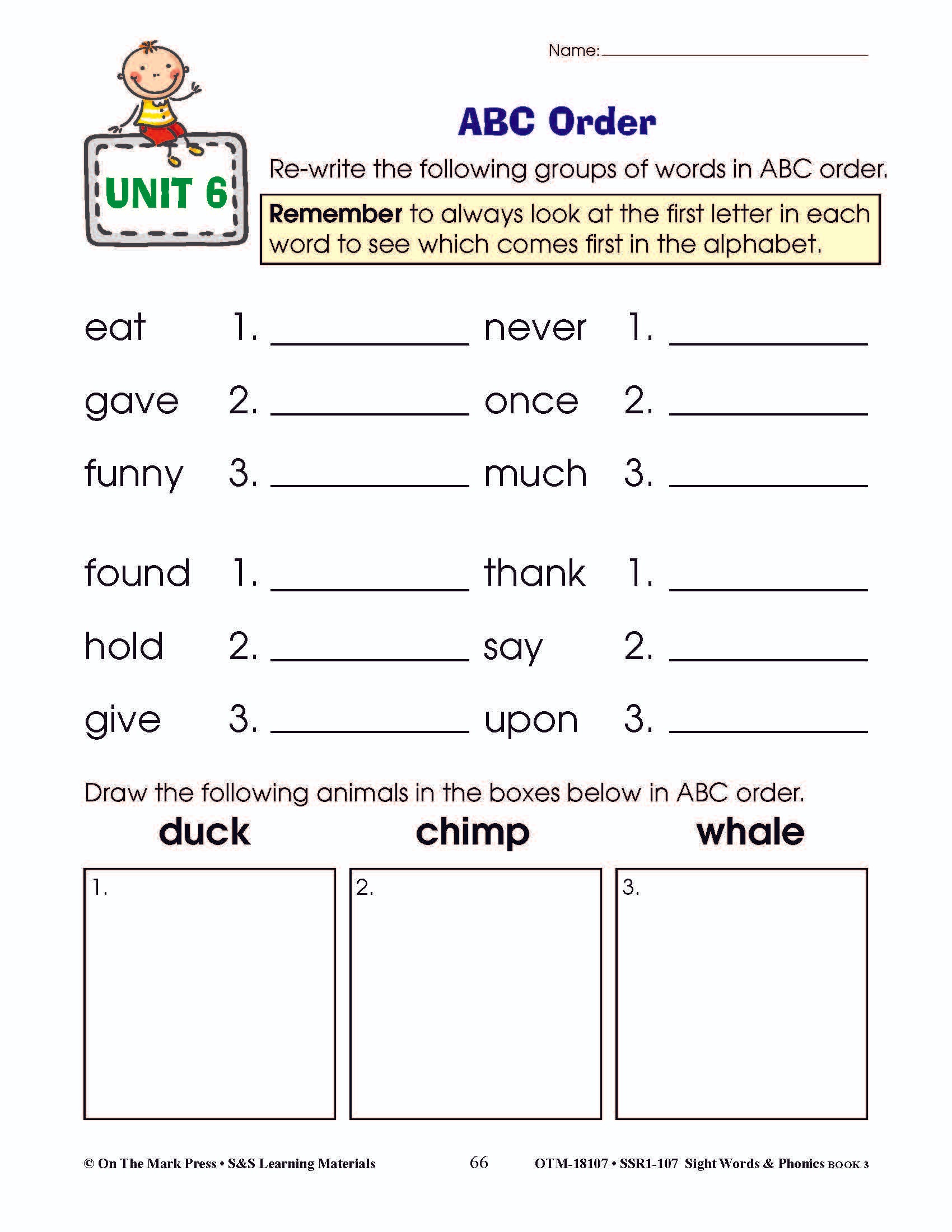
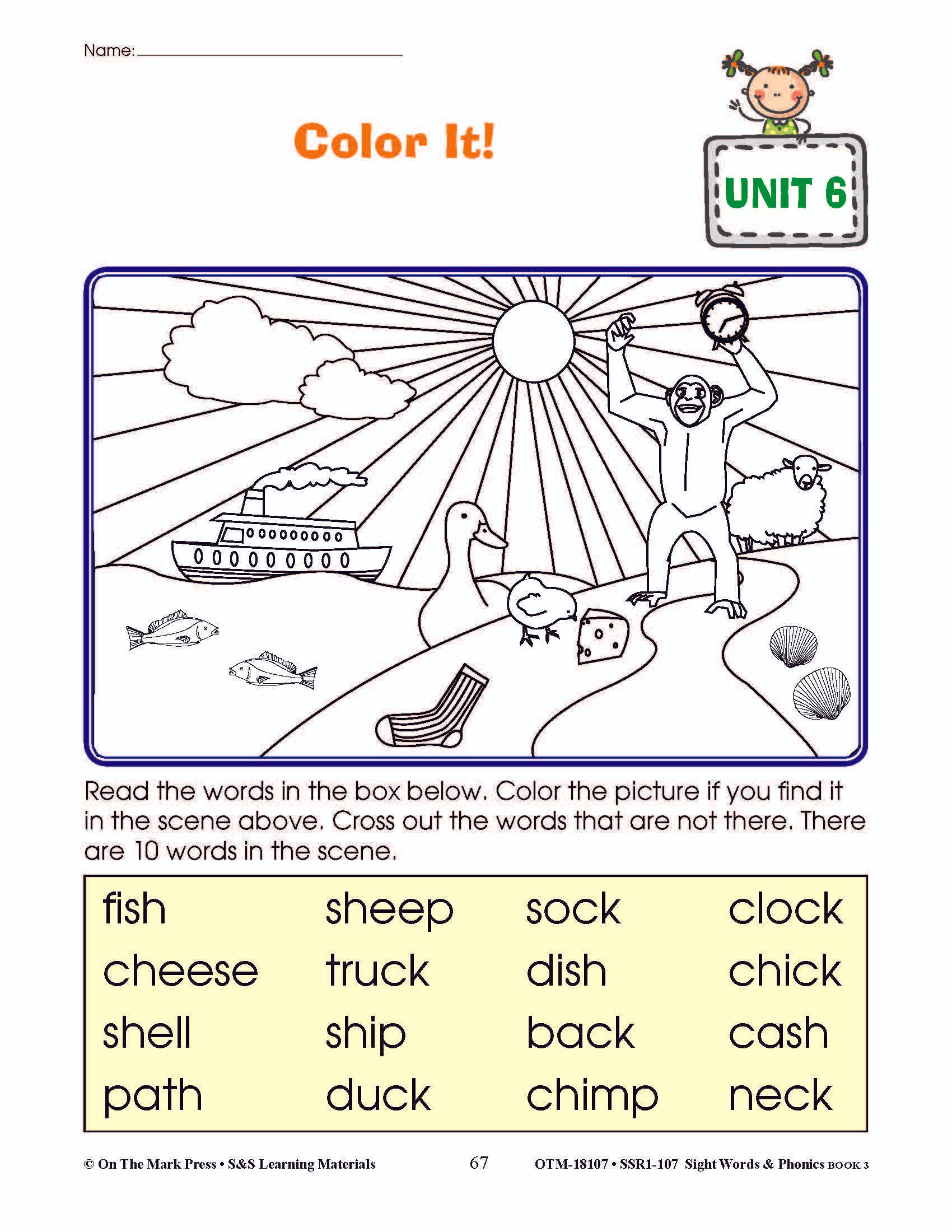
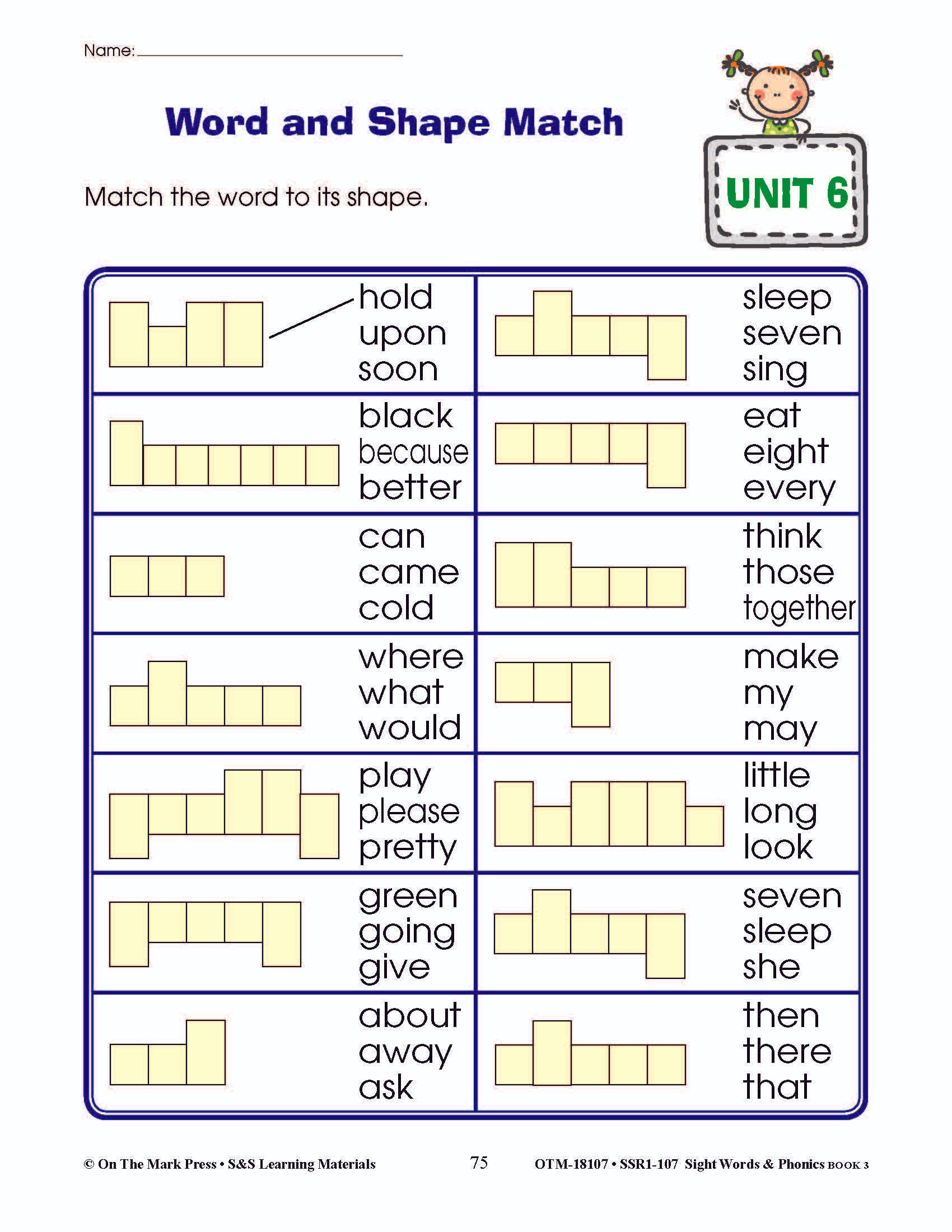
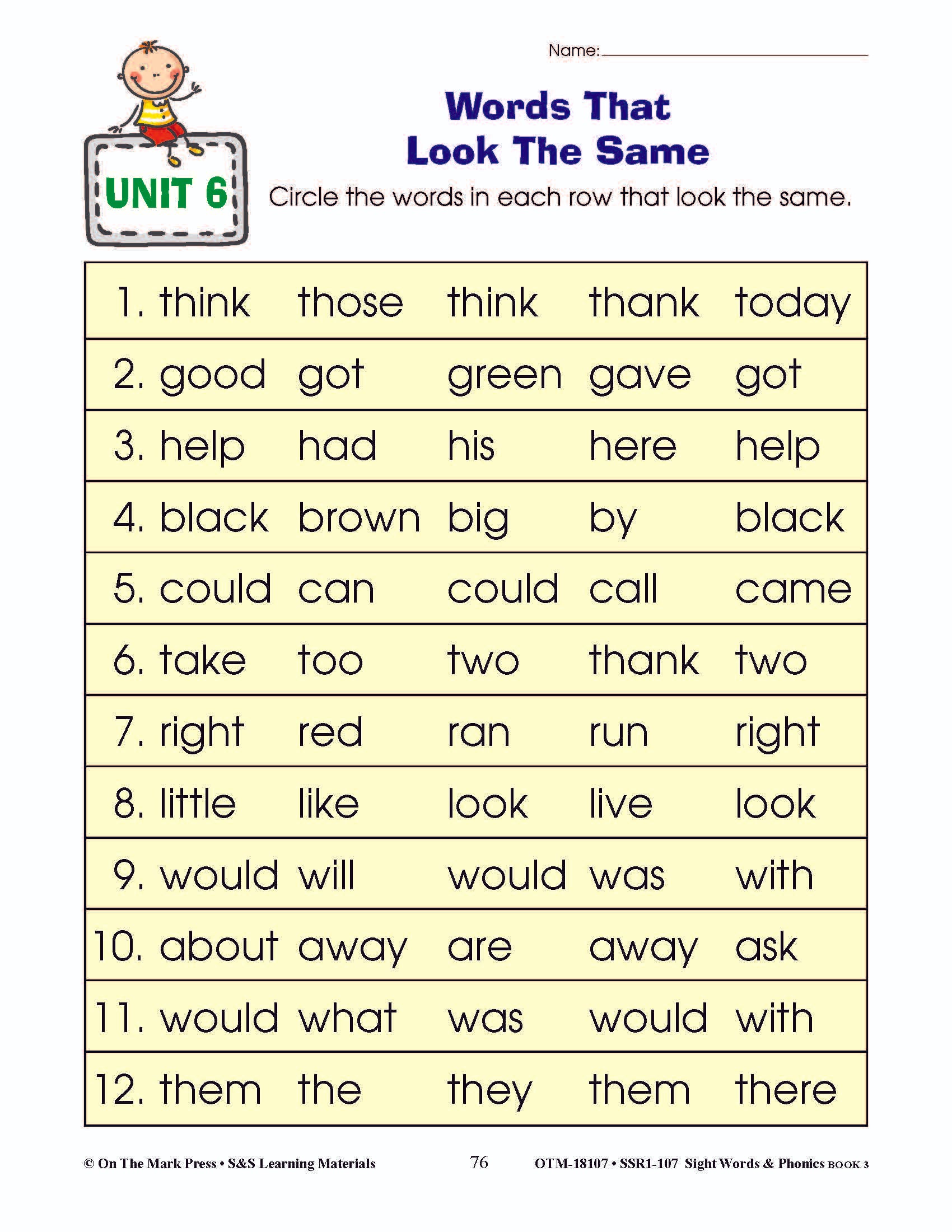
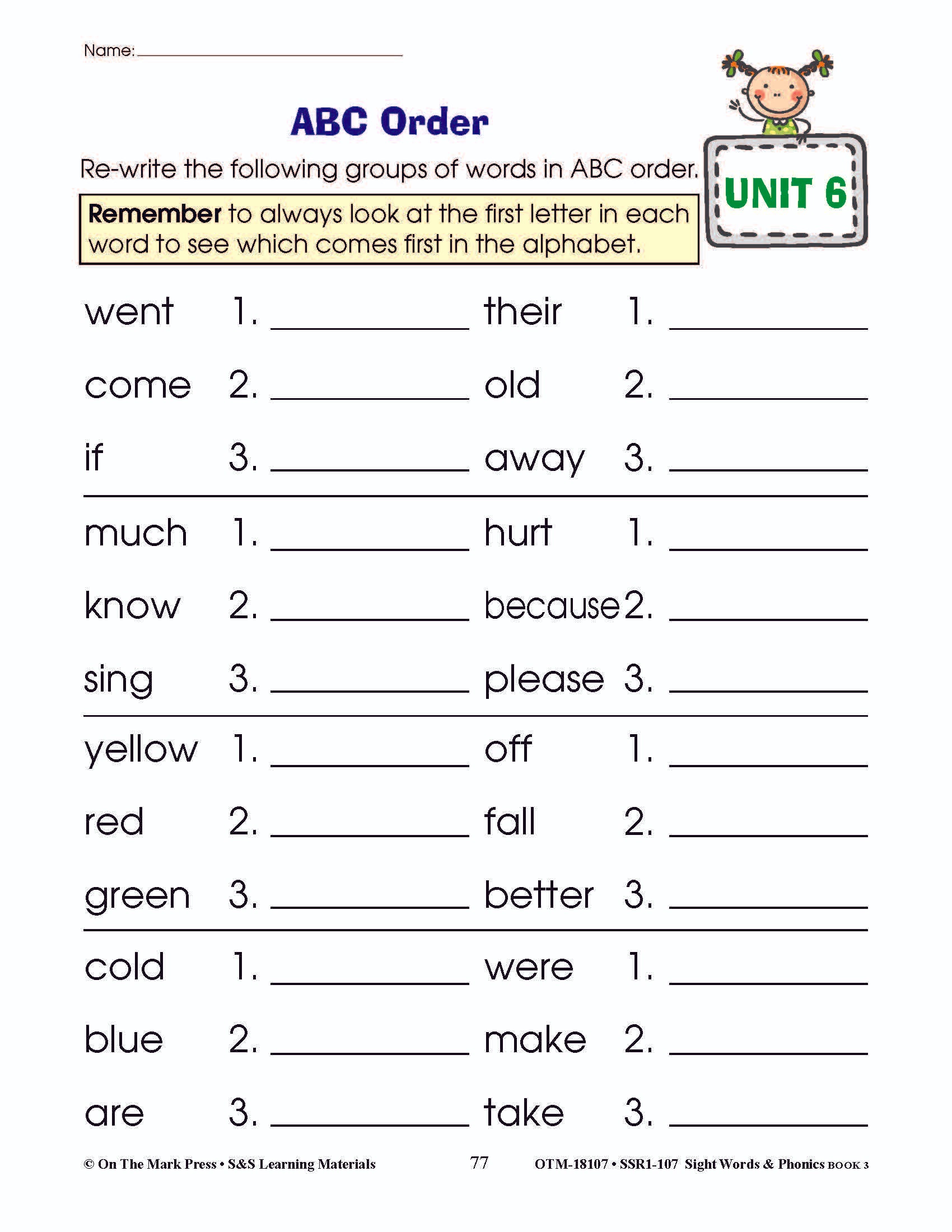
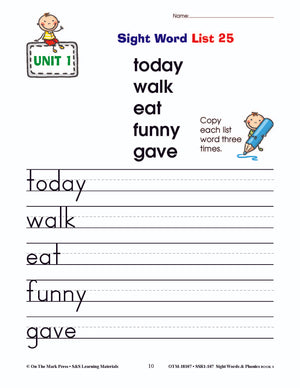
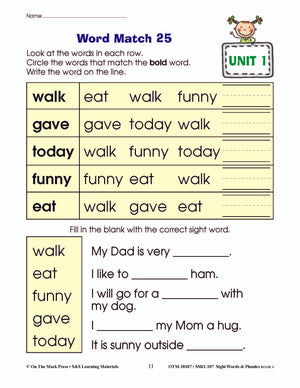
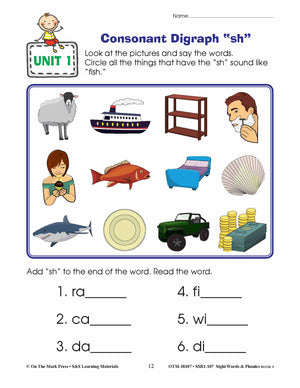
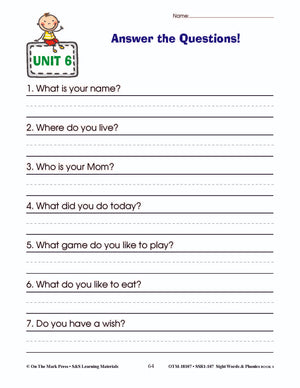
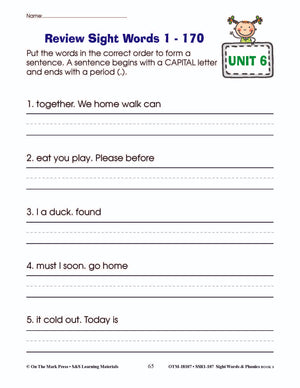
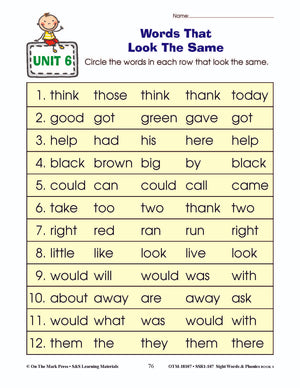
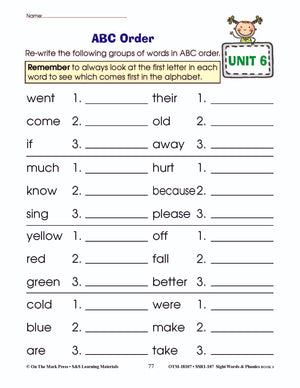
Each unit introduces 10 sight words that are broken up into 2 lists of 5. In between each list, a short vowel is introduced. Sight Words and vowels are then reinforced through short sentences and revision activities that follow.
To end the unit the student reads a short story that only contains words they have learned and practiced.
Flashcards for Dolch Sight Words taught are included on card stock. Simply cut and use!
Curriculum Standards Met
U.S. Common Core Standards Alignment
Reading Foundational Skills
- CCSS.ELA‑Literacy.RF.1.2 – Demonstrate phonological awareness (digraphs).
- CCSS.ELA‑Literacy.RF.1.3 – Know and apply phonics and word analysis skills.
- CCSS.ELA‑Literacy.RF.1.3g – Recognize and read grade‑appropriate irregular words (Dolch).
- CCSS.ELA‑Literacy.RF.1.4 – Read with sufficient accuracy and fluency.
Language & Writing
- CCSS.ELA‑Literacy.L.1.1 – Command of grammar and conventions.
- CCSS.ELA‑Literacy.L.1.2 – Capitalization, punctuation, spelling.
- CCSS.ELA‑Literacy.W.1.3 – Write narratives with sequencing.
- CCSS.ELA‑Literacy.W.1.5 – Guidance and support in writing.
Standards Alignment for Canada
Because this resource teaches Dolch Sight Words 121–170, phonics digraphs (sh, ch, th, wh, ck), sentence formation, early reading comprehension, ABC order, plurals, rhyming, and story writing, it aligns with the foundational literacy expectations in every Canadian jurisdiction for Grades JK–1.
Below is the full list with expectation numbers where provinces publish them.
Ontario – Langage, Grades 1–2 (2023 Curriculum)
Foundational Reading Skills
- B2.1 – Decode words using letter–sound relationships (digraphs sh, ch, th, wh, ck).
- B2.2 – Read high‑frequency words automatically (Dolch 121–170).
- B2.3 – Use context clues to determine meaning.
- B2.4 – Read and understand simple texts (Storytime passages).
Writing & Language Conventions
- C1.1 – Spell familiar words; apply phonics patterns.
- C1.2 – Write simple sentences with correct order.
- C2.1 – Use capitals, periods, question marks.
- C3.1 – Vocabulary development through sight words.
British Columbia – English Language Arts K–1
- Phonics and word recognition – Recognize common letter patterns (digraphs).
- High‑frequency words – Read and use sight words in context.
- Comprehension – Demonstrate understanding of texts read aloud.
- Story creation – Create and share simple stories.
Alberta – English Language Arts K–1
- Phonological awareness – Identify and use consonant digraphs.
- Vocabulary – Recognize and use sight words.
- Comprehension – Construct meaning from texts.
- Writing – Create simple sentences and short stories.
Saskatchewan – ELA K–1
- CR1.1 / CR2.1 – Comprehend and respond to texts.
- CC1.2 / CC2.2 – Compose and create simple texts.
- AR1.1 / AR2.1 – Develop reading strategies (sight words, phonics).
Manitoba – ELA K–1
- Reading & Vocabulary – Recognize sight words; decode using phonics.
- Comprehension – Understand simple stories.
- Writing – Form sentences; use basic conventions.
Quebec – English as a Second Language (Cycle 1)
- Mobilizes knowledge of language – Uses sight words and phonics patterns.
- Constructs meaning – Understands simple texts.
- Writes short messages – Uses basic vocabulary and sentence structure.
Nova Scotia – ELA Primary–1
- Phonics & Word Study – Recognize digraphs.
- Sight Words – Read high‑frequency words.
- Reading Comprehension – Understand simple stories.
- Writing – Create simple sentences and short narratives.
New Brunswick – English Language Arts K–1
- Phonics – Identify letter combinations.
- Vocabulary – Read sight words.
- Reading & Writing – Construct meaning; write simple sentences.
Prince Edward Island – ELA K–1
- Reading Development – Sight words, phonics, decoding.
- Writing – Simple sentences and stories.
Newfoundland & Labrador – ELA K–1
- Phonics & Word Recognition – Digraphs and sight words.
- Reading Comprehension – Understand simple texts.
- Writing – Create short stories and sentences.
Yukon, Northwest Territories, Nunavut
- Fully aligned with BC/AB expectations listed above.