

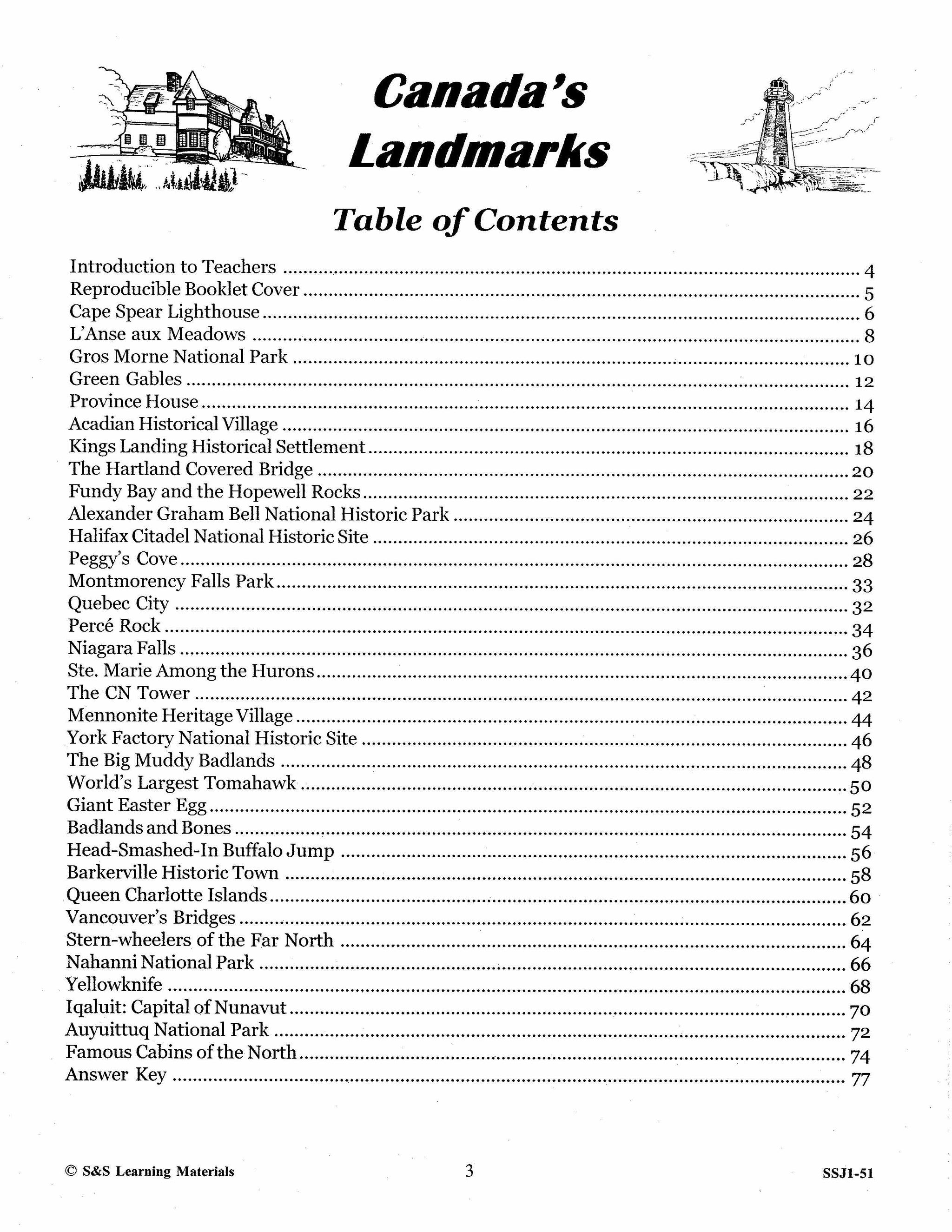





Canada's Landmarks Grades 1-3
EBJ151
$24.99 CAD
Additional information:
- Author : Solski, Ruth
Bring Canada’s geography and heritage to life with Canada’s Landmarks for Grade 1-3! This richly illustrated resource explores iconic natural, cultural, and historical sites from every province and territory. Students build mapping skills, deepen reading comprehension, and learn about Canada’s diverse regions, Indigenous history, and national identity. Fully aligned to Grade 3 Social Studies expectations across all Canadian provinces and territories. Perfect for classrooms, homeschool, and Canadian Studies units.
A Helpful Supplement to the Study of Canadian Geography.
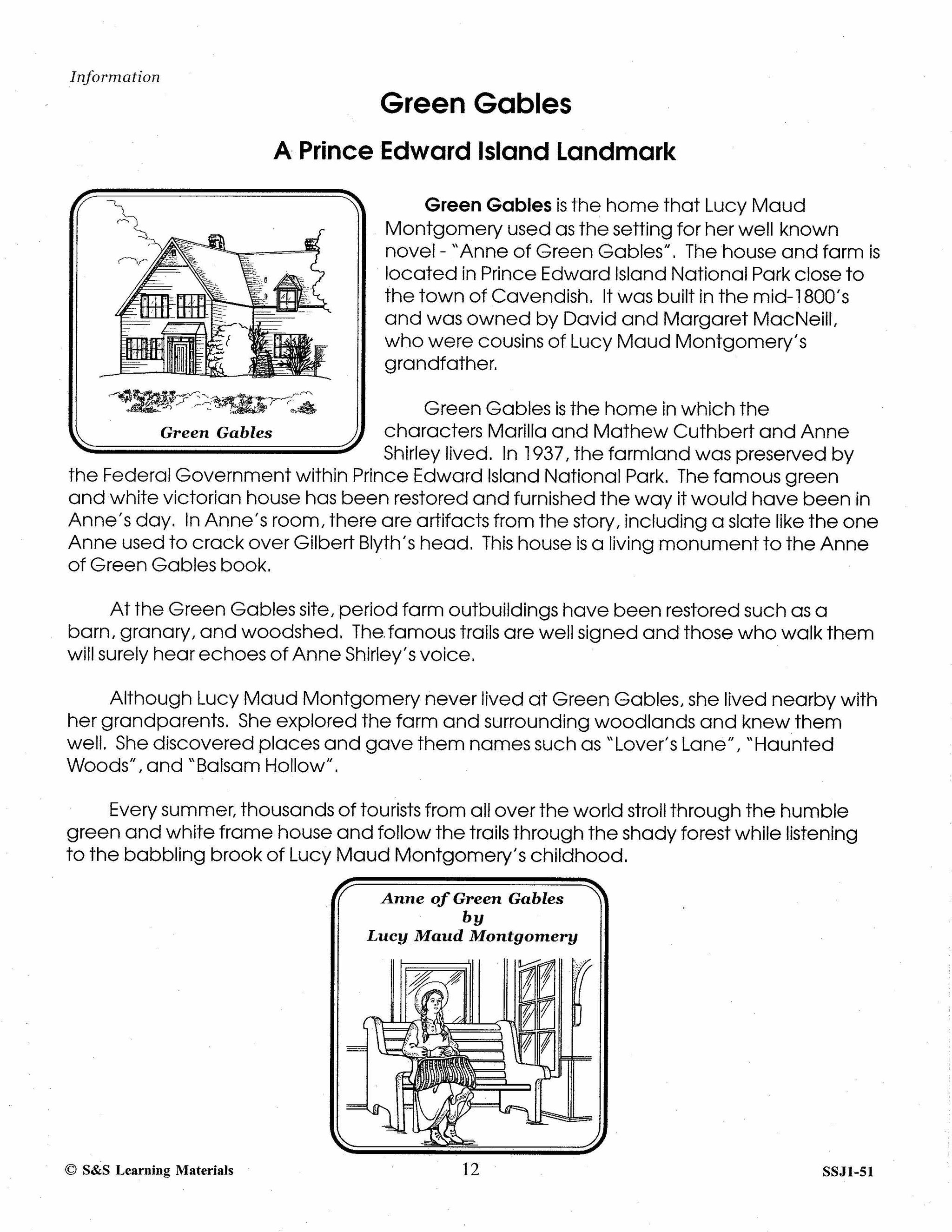
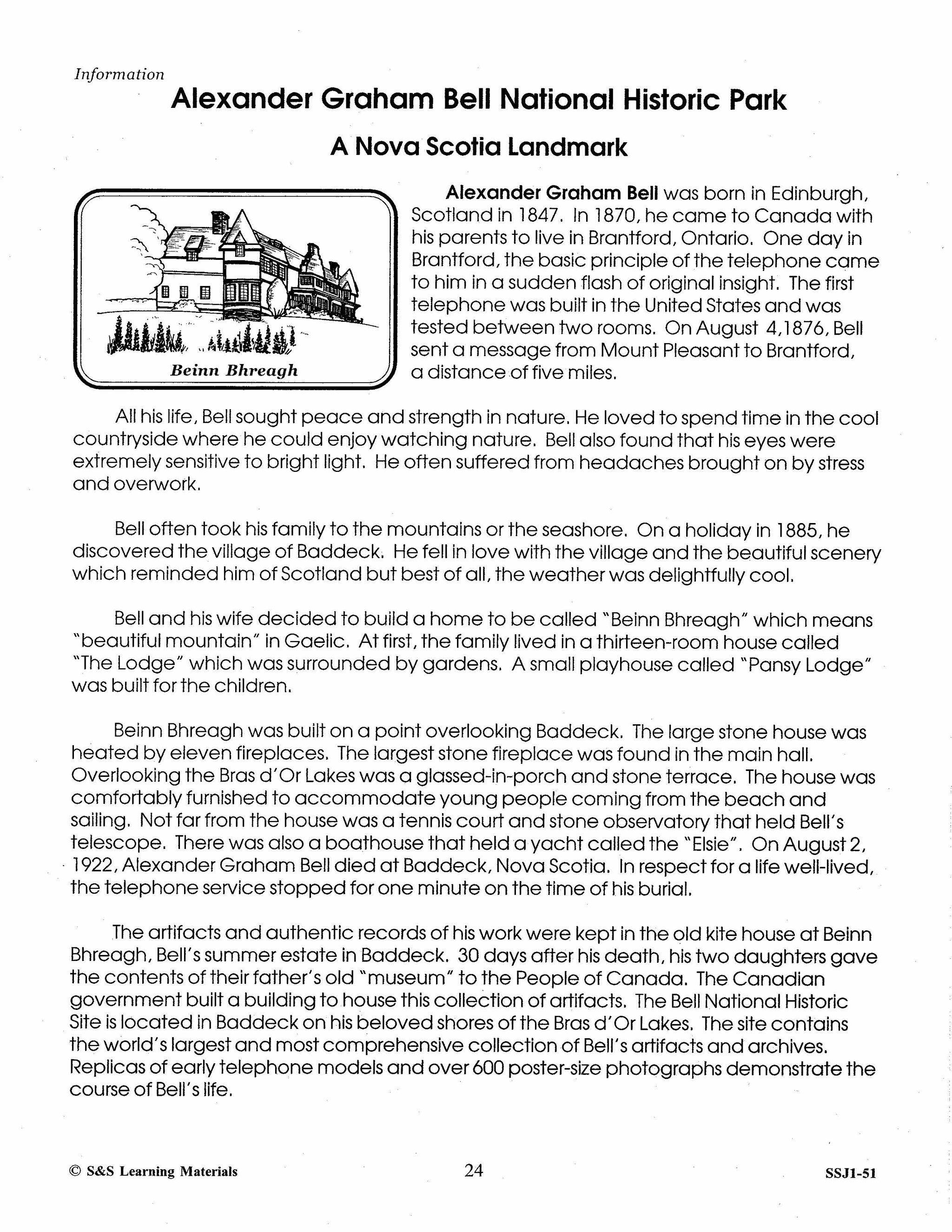
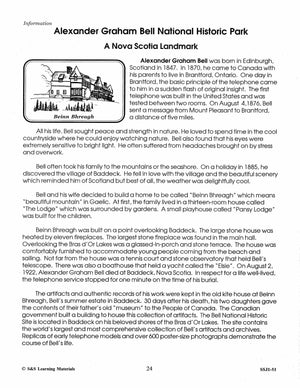
Begin a voyage across Canada, viewing our historical landmarks including, Green Gables, Beinn Bhreagh - the home of Alexander Graham Bell, the Chateau Frontenac, Head Smashed In Buffalo Jump, and the Queen Charlotte Islands to name but a few.
Canada's Landmarks provides information and follow-up activities on various landmarks located in Canada. The main objective of the material in this book is to familiarize and to broaden students' knowledge with the location and historical aspects of heritage sites and tourist attractions found throughout their country. With this knowledge, deeper feelings of pride and patriotism will be fostered.
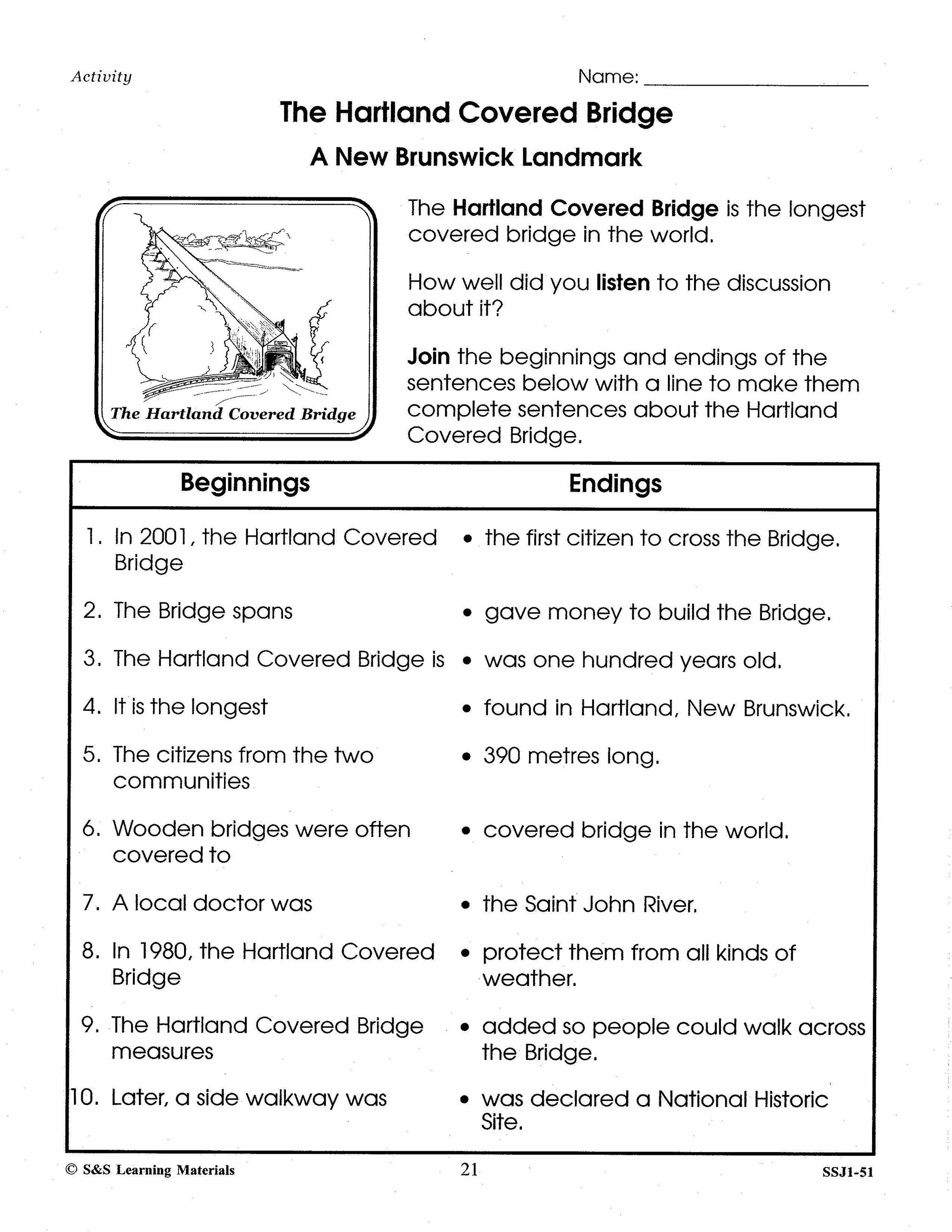
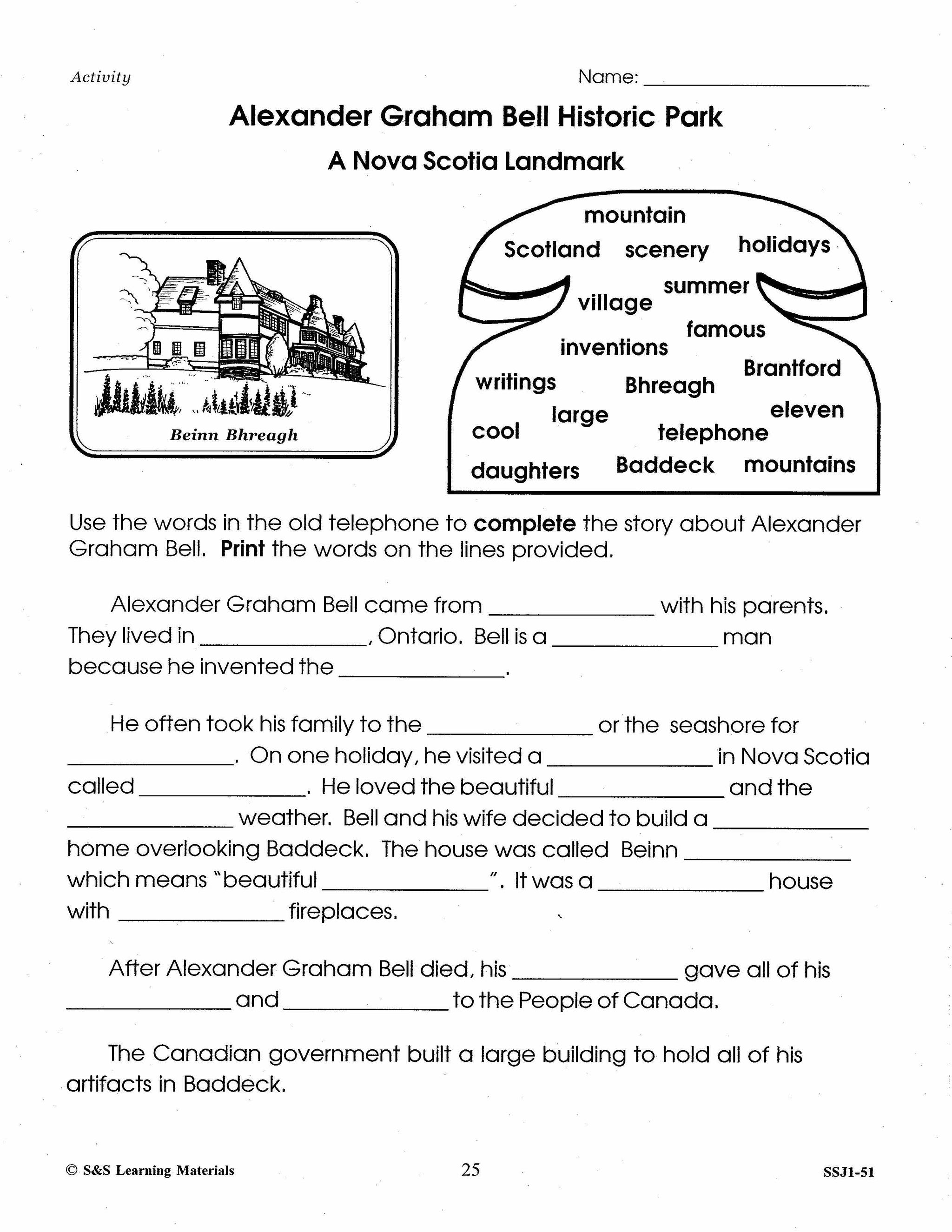
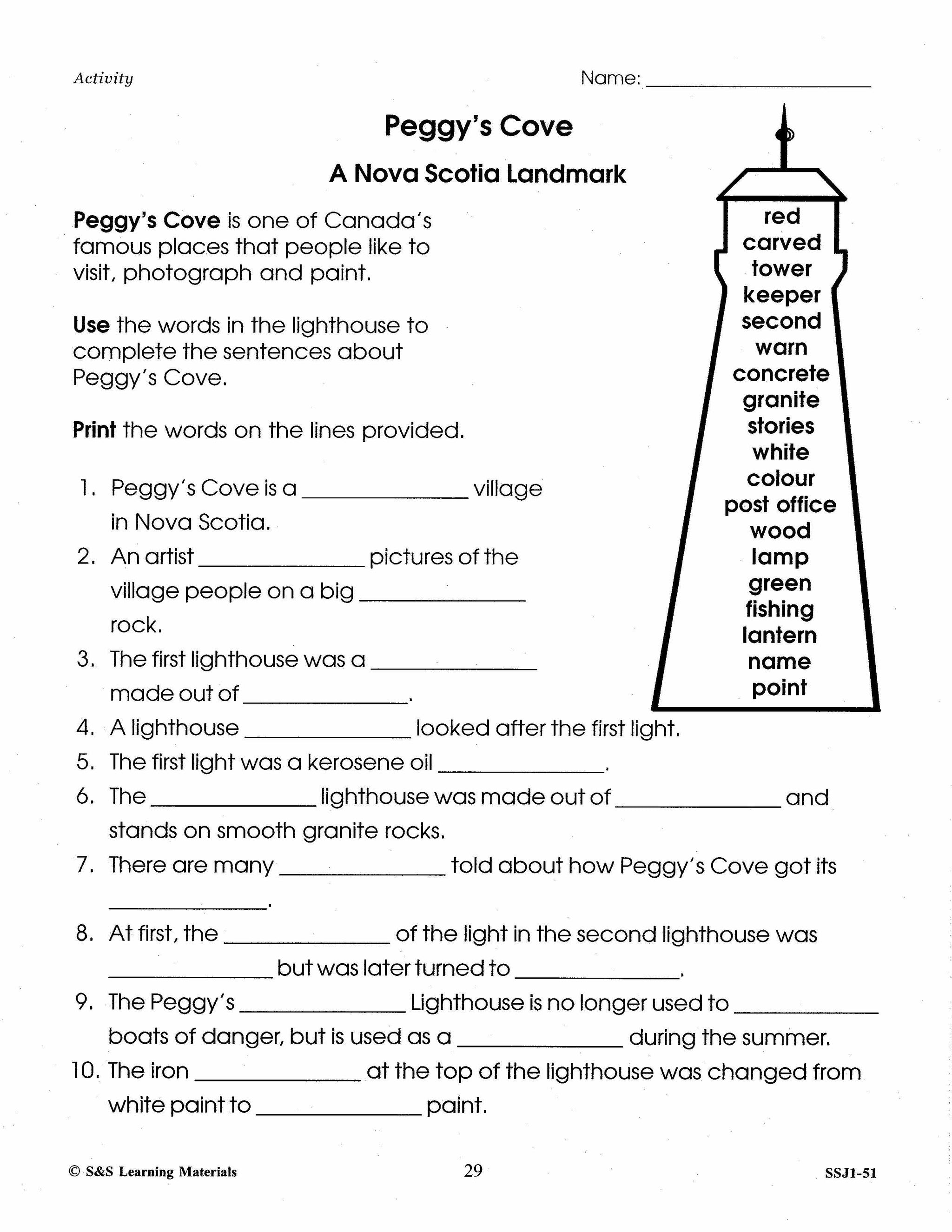
The information provided is for the teacher so that he/she may become better acquainted with each landmark. The landmark could then be discussed and located with the students. The activity provided for each landmark may be used as a listening and reading follow-up, and may have to be teacher-directed depending on the students' abilities.
The various reading and listening skills such as noting and recalling details, recalling events and information, sequencing, context clues, vocabulary development, and comprehending oral information have been implemented. Research skills may be developed through the use of the open-ended reproducible activity page. The various activities completed may be compiled in a booklet using the reproducible cover page entitled "Canada's Landmarks". The information and activities may be worked
on in any order and may be used by the teacher in the format that best suits the needs of the students.
A mapping centre could be established on a table in the classroom. On the table, place a portable bulletin board. Tack a large map of Canada to the bulletin board. As each landmark is discussed, mark its location with a labelled flag attached to a straight pin.
Teach their importance in our past and present.
Read aloud information for the teacher with student follow-up activities.
Reading and listening skills such as recalling details, sequencing, using context clues, and vocabulary development are also included.
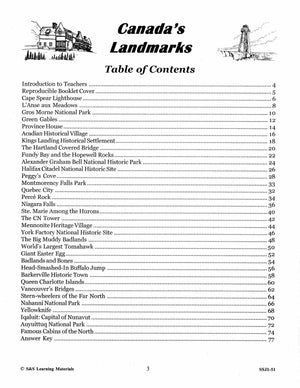
Landmarks to explore:
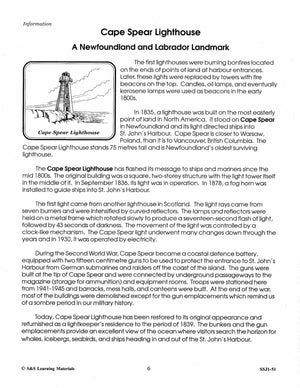
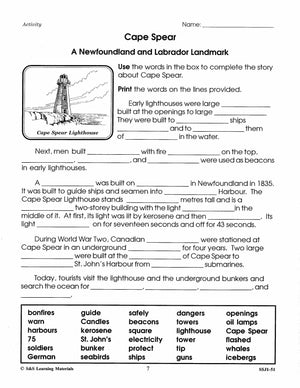
- Cape Spear Lighthouse
- L'Anse aux Meadows
- Gros Morne National Park
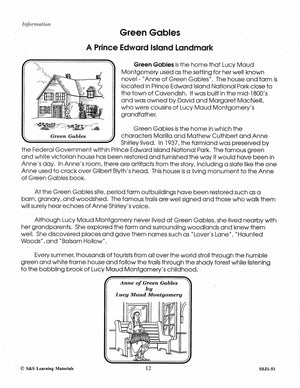
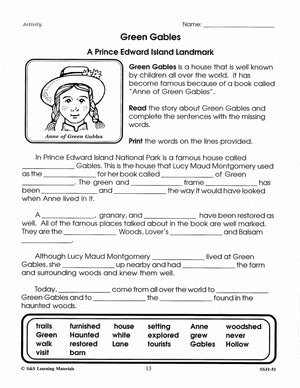
- Green Gables
- Province House
- Acadian Historical Village
- Kings Landing Historical Settlement
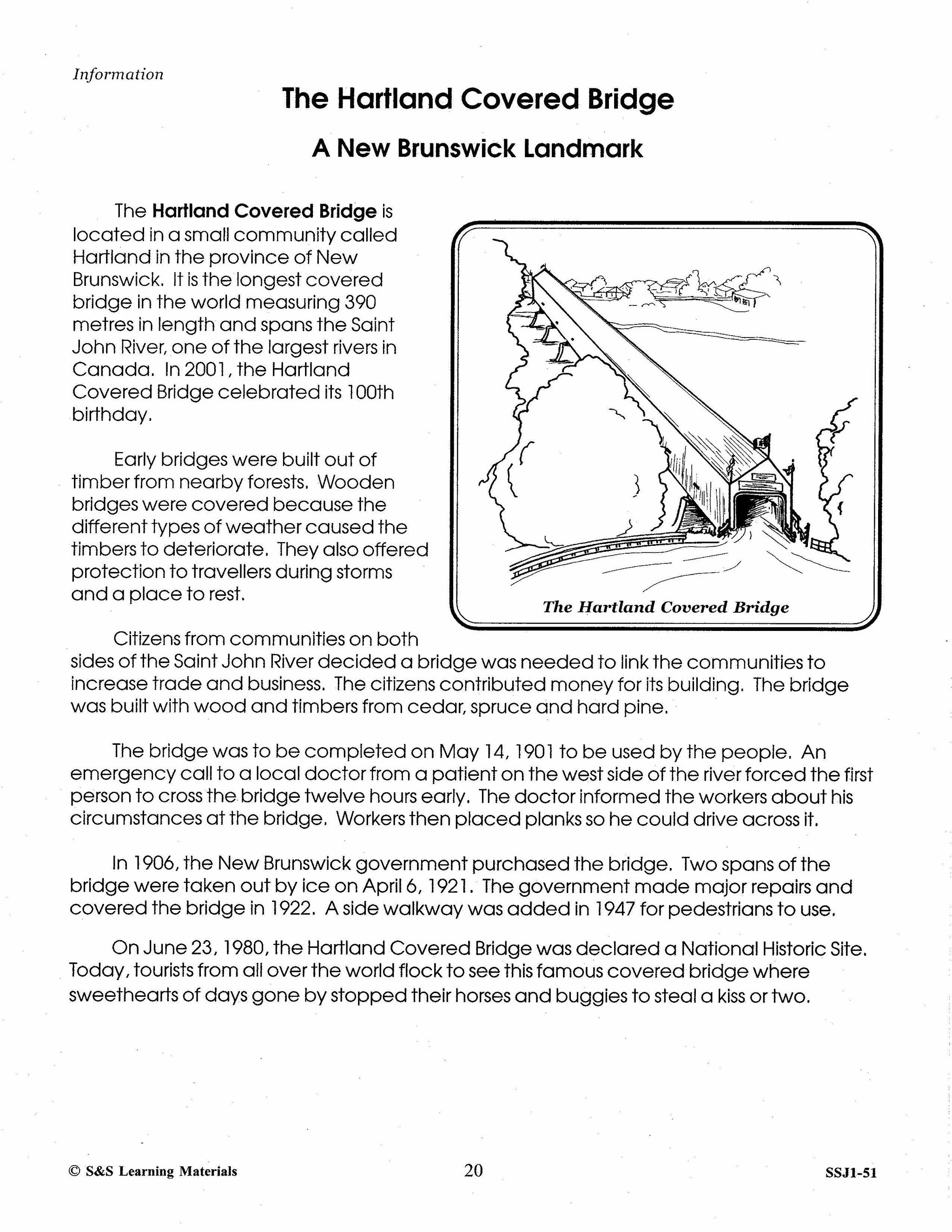
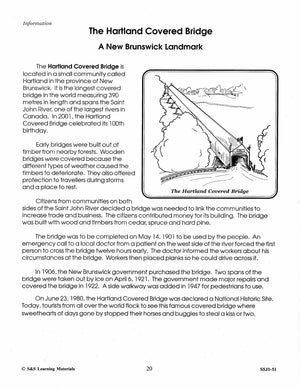
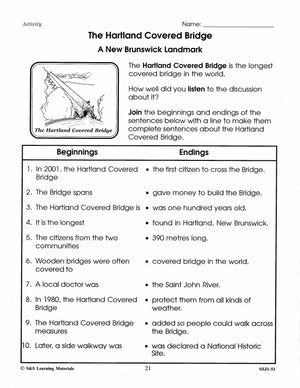
- The Hartland Covered Bridge
- Fundy Bay and the Hopewell Rocks
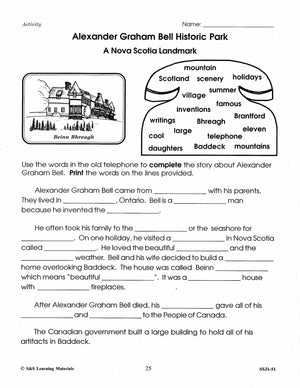
- Alexander Graham Bell National Historic Park
- Halifax Citadel National Historic Site
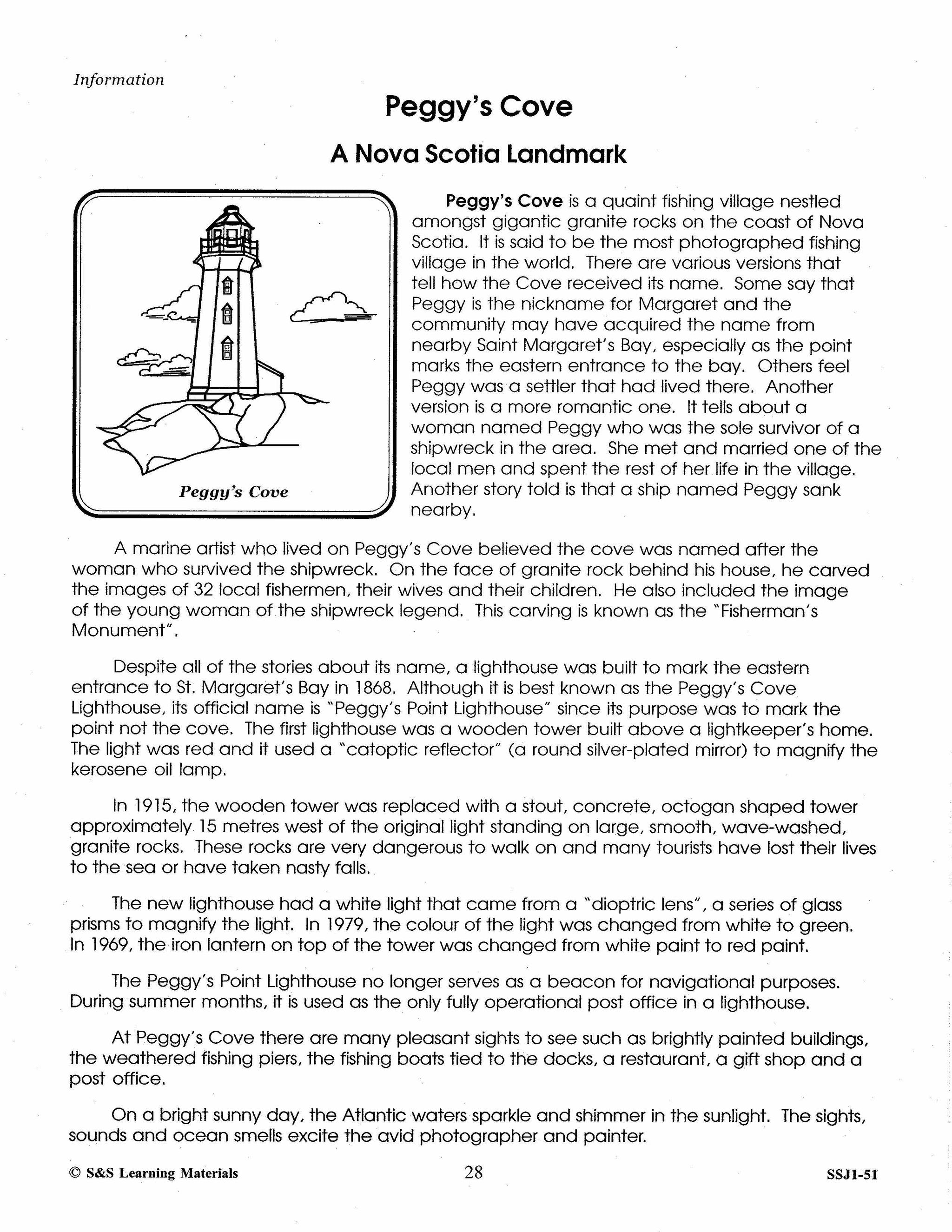
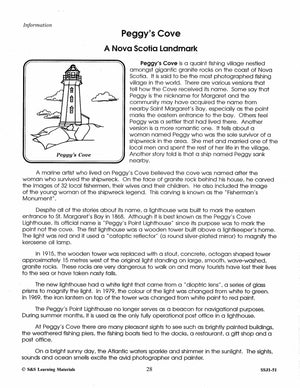
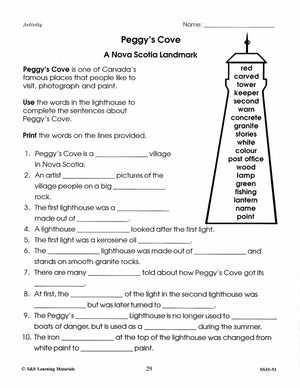
- Peggy's Cove
- Montmorency Falls Park
- Quebec City
- Perce Rock
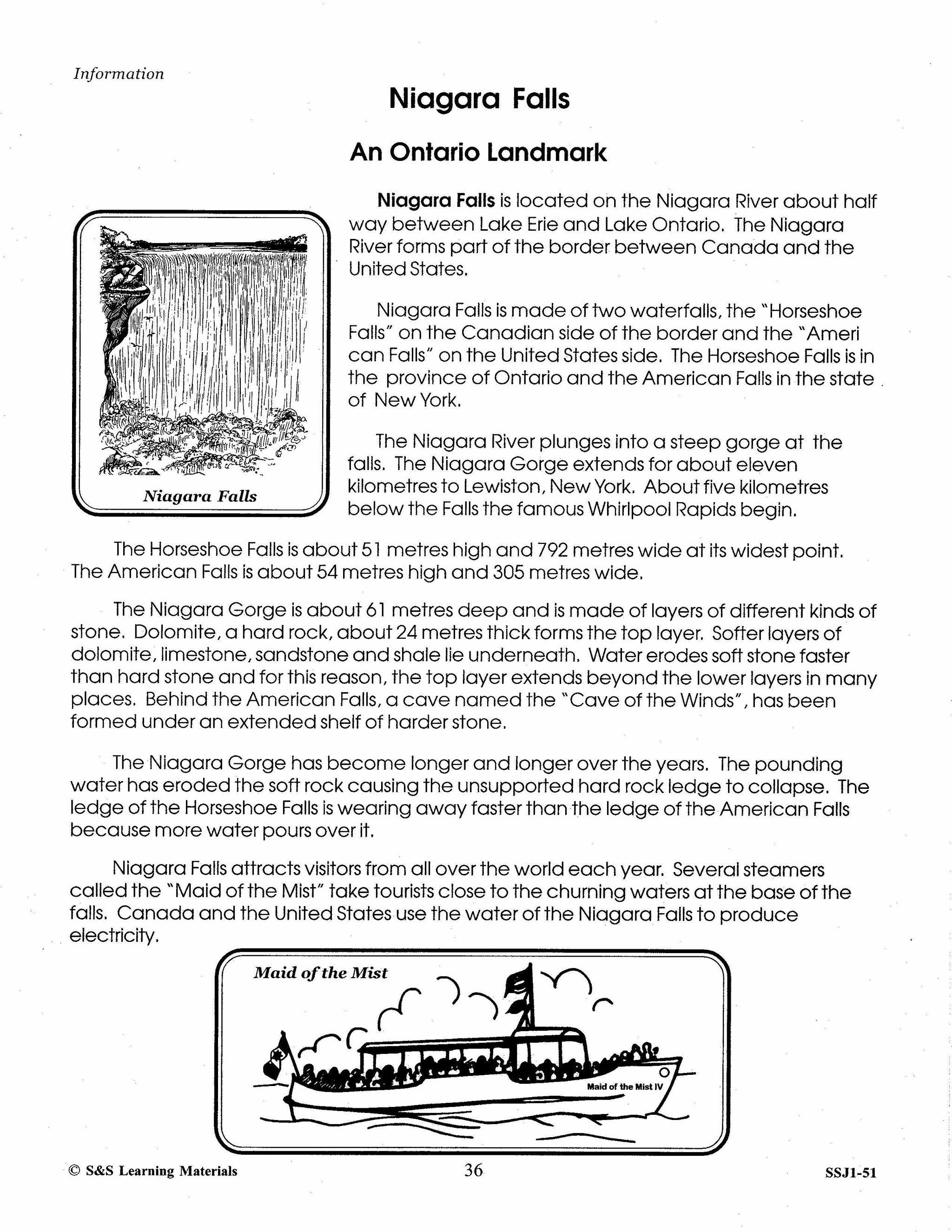
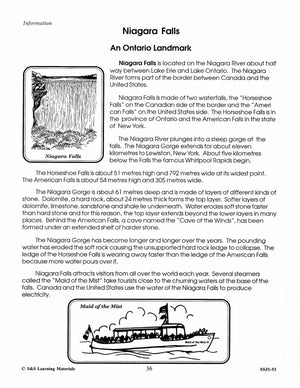
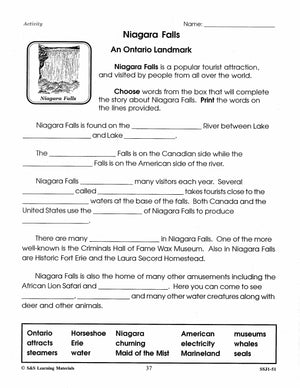
- Niagara Falls
- Ste. Marie Among the Hurons
- The CN Tower
- Mennonite Heritage Village
- York Factory National Historic Site
- The Big Muddy Badlands
- World's Largest Tomahawk
- Giant Easter Egg
- Badlands and Bones
- Head-Smashed-In Buffalo Jump
- Barkerville Historic Town
- Queen Charlotte Islands
- Vancouver's Bridges
- Stern-wheelers of the Far North
- Nahanni National Park Yellowknife
- Iqaluit: Capital of Nunavut
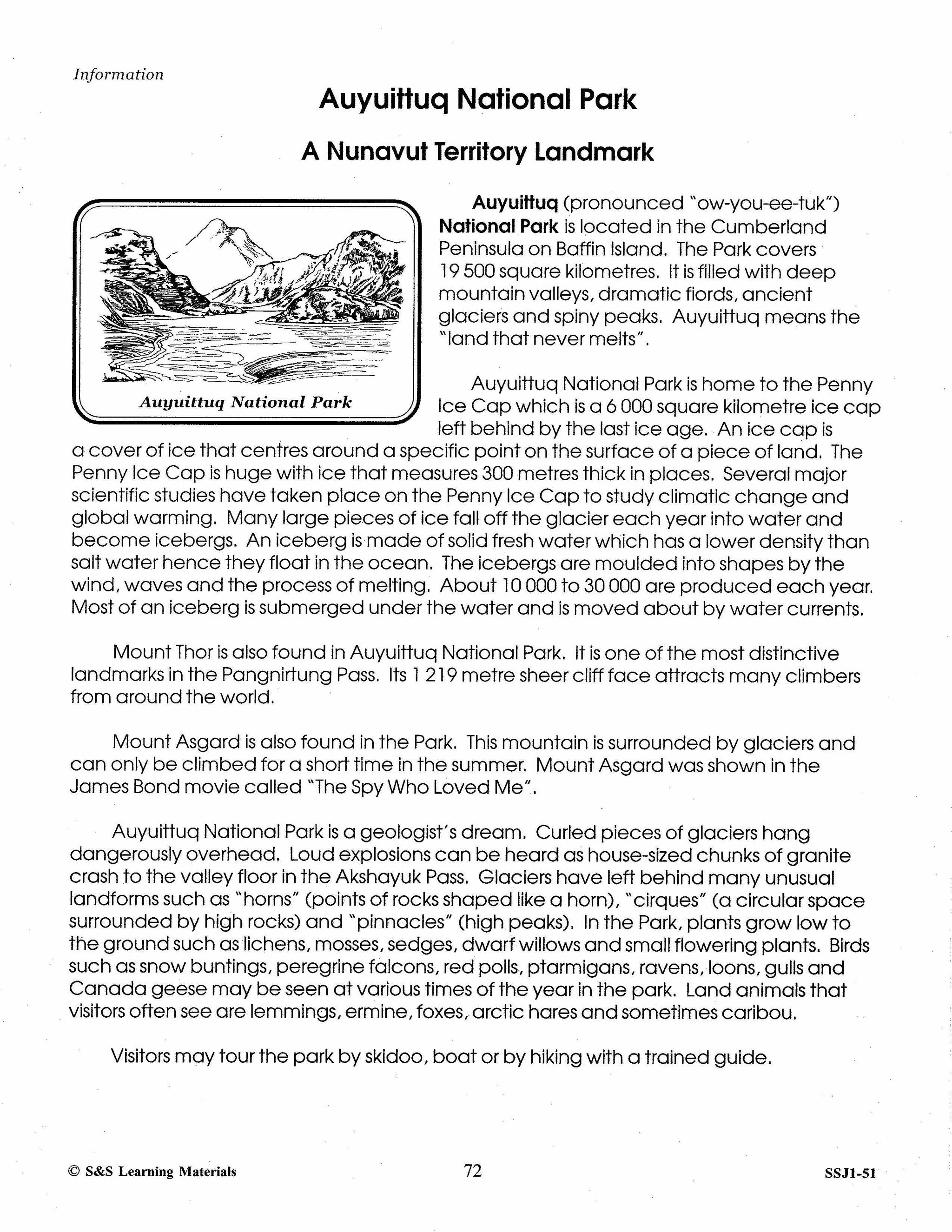
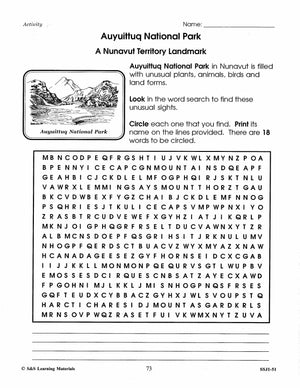
- Auyuittuq National Park
- Famous Cabins of the North
Provincial & Territorial Curriculum Alignment
Canada’s Landmarks meets expectations in every province and territory because it teaches:
- Canadian geography (location of landmarks, mapping skills)
- Heritage & identity (historic sites, cultural stories, Indigenous history)
- Communities & culture (regional differences, local stories, human-environment interaction)
- Inquiry & research skills (reading informational text, locating places, interpreting visuals, sequencing, vocabulary)
Province-by-Province Alignment
Ontario (Grade 3 – Social Studies: A & B)
- A1.1–A1.4, A2.1–A2.3 (communities in Canada, identity, heritage)
- B1.1–B1.3, B2.1–B2.3 (mapping, landforms, regions, physical geography)
British Columbia (Grade 3 – Social Studies)
- Human-environment interaction
- Indigenous knowledge & cultural landmarks
- Regional geography of BC and Canada
- Continuity & change in communities
Alberta (Grade 3 – Social Studies)
- Communities in Canada
- Geography & natural regions
- History of Alberta landmarks (Badlands, Buffalo Jump)
Saskatchewan (Grade 3 – Social Studies)
- Communities & environments
- Cultural heritage
- Landforms & physical geography
Manitoba (Grade 3 – Social Studies)
- Communities of Canada
- Heritage sites
- Human-environment relationships
New Brunswick (Grade 3 – Social Studies)
- Provincial heritage
- Landmarks & cultural identity
- Mapping & regional geography
Nova Scotia (Grade 3 – Social Studies)
- Heritage & identity
- Landmarks (Citadel, Peggy’s Cove, Bell Museum)
- Geography of Atlantic Canada
Prince Edward Island (Grade 3 – Social Studies)
- Provincial identity
- Confederation history
- Landmarks (Province House, Green Gables)
Newfoundland & Labrador (Grade 3 – Social Studies)
- Provincial heritage
- Geography & landforms
- Historic sites (L’Anse aux Meadows, Gros Morne)
Yukon (Grade 3 – Social Studies)
- Communities of the North
- Gold Rush history
- Landmarks (S.S. Klondike, cabins)
Northwest Territories (Grade 3 – Social Studies)
- Northern communities
- Geography & landforms
- Natural landmarks (Nahanni)
Nunavut (Grade 3 – Social Studies)
- Northern identity
- Landforms & climate
- Landmarks (Iqaluit, Auyuittuq)
Follow us on: