
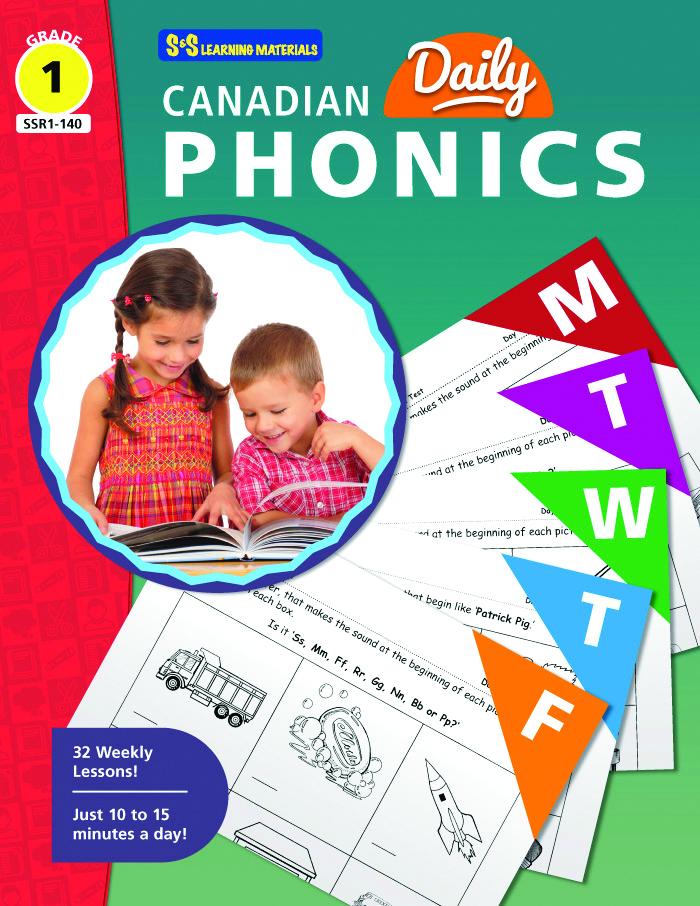
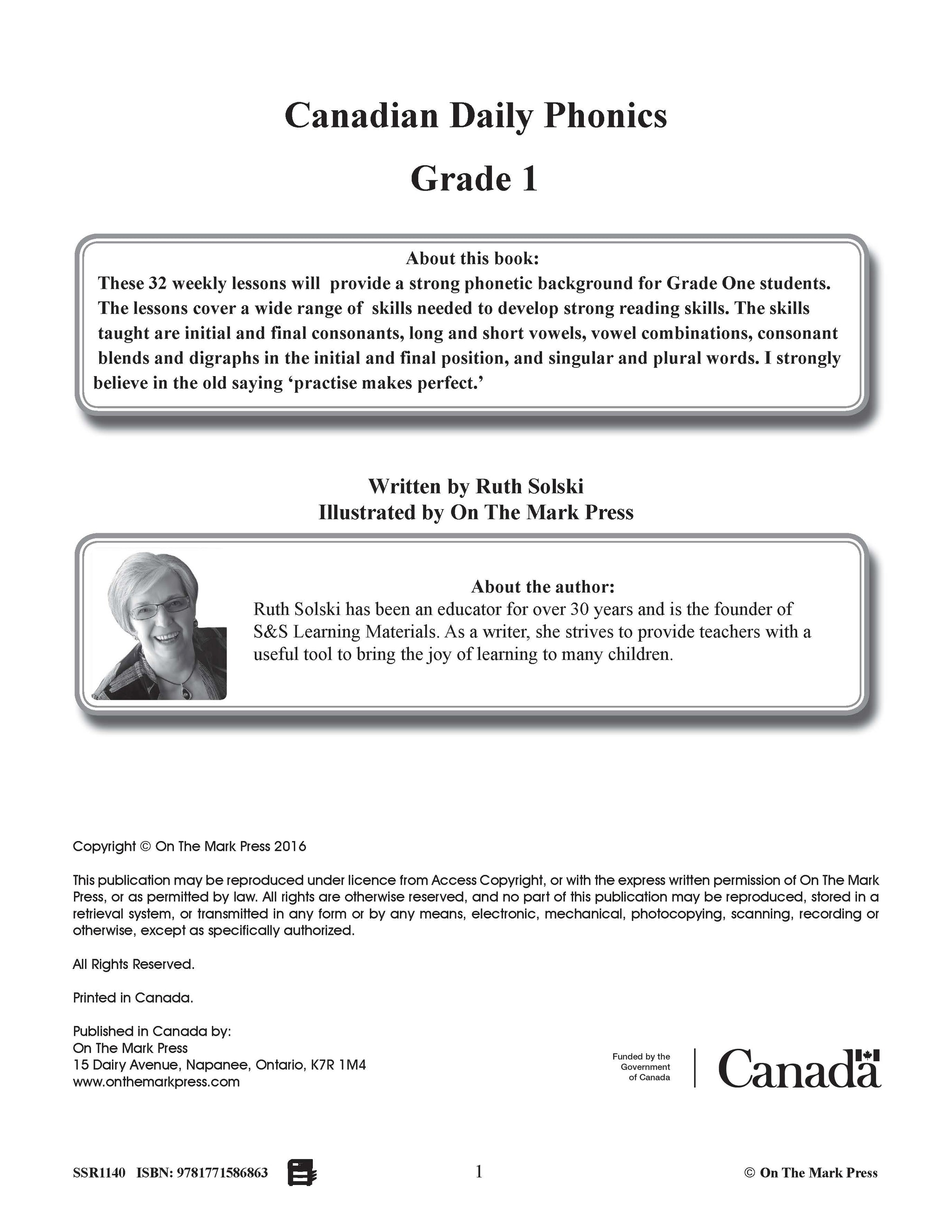
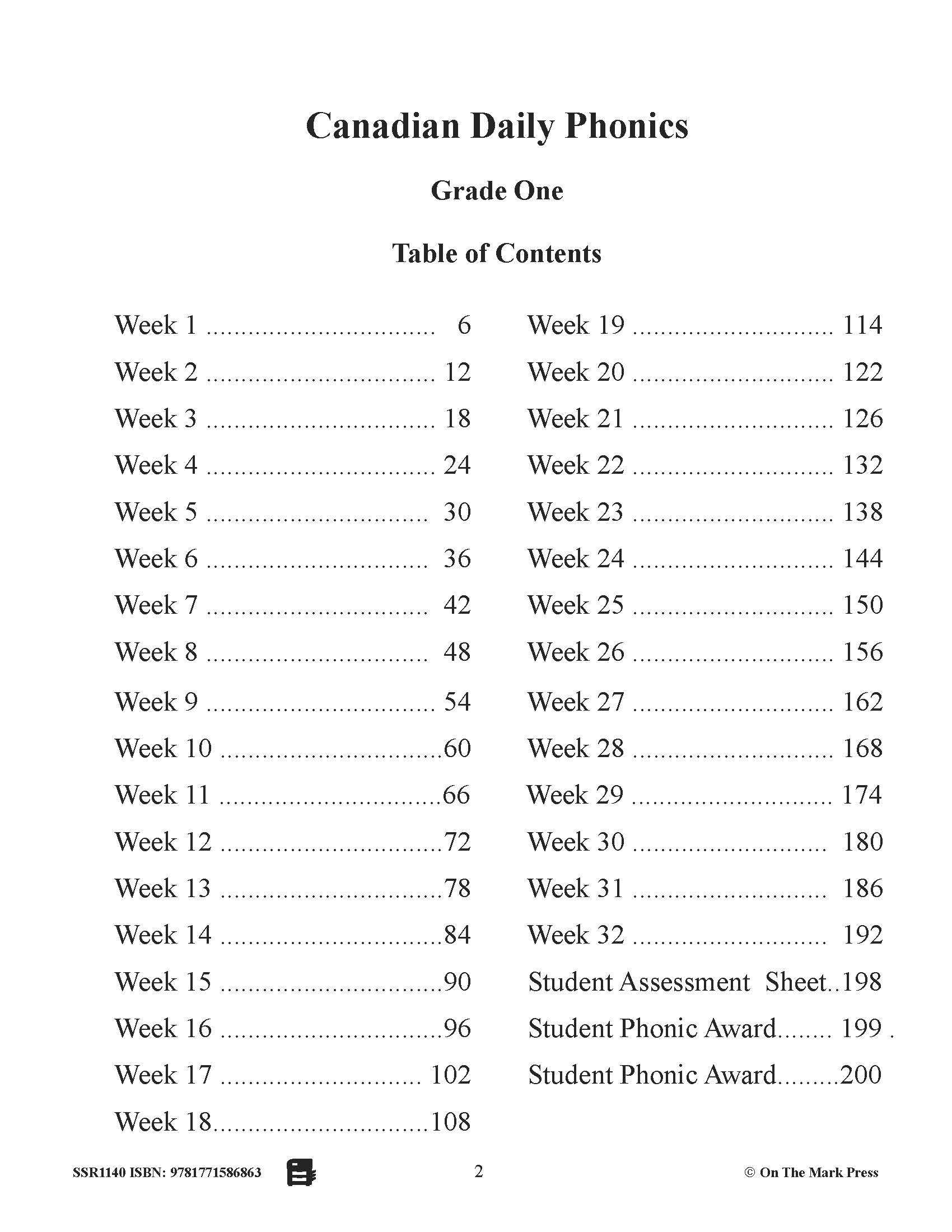
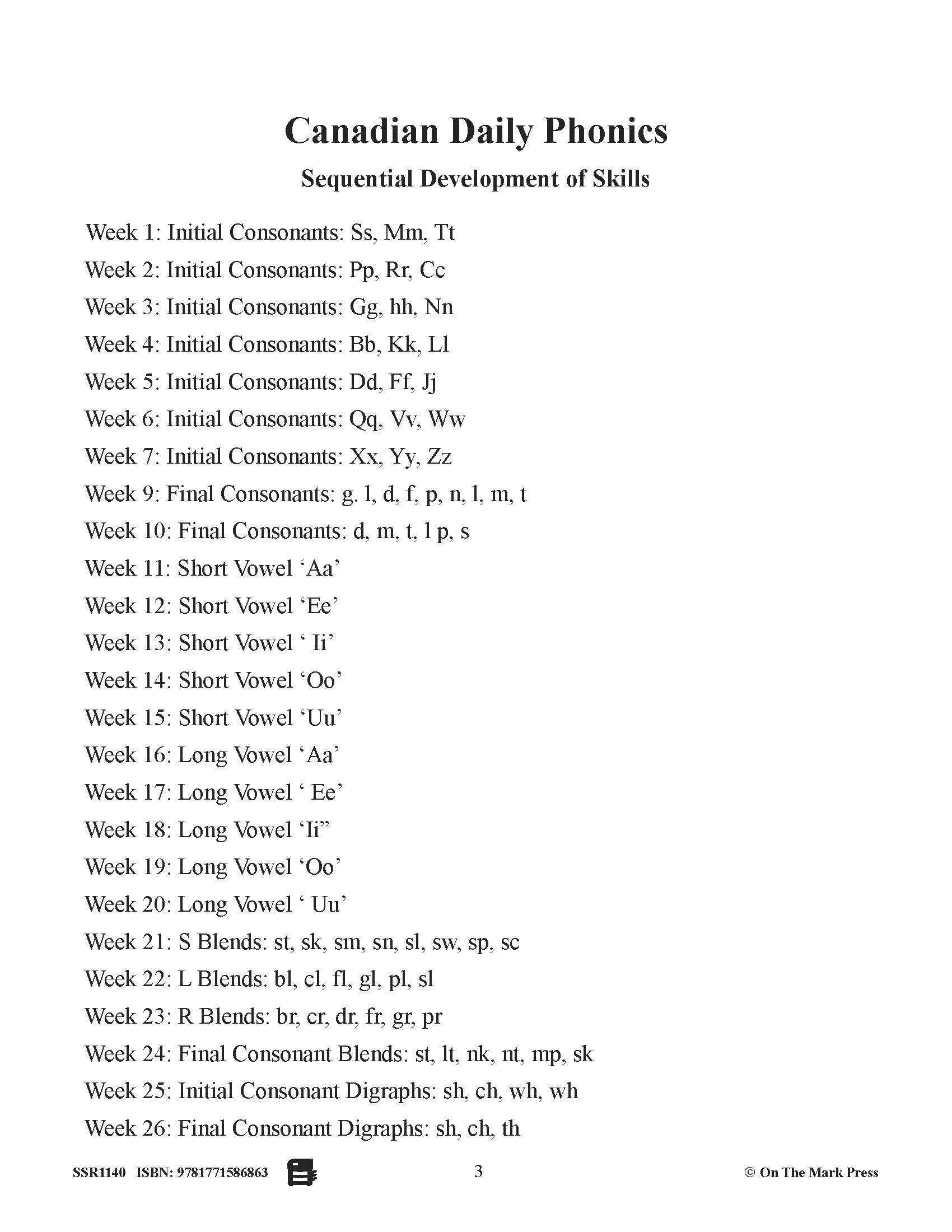
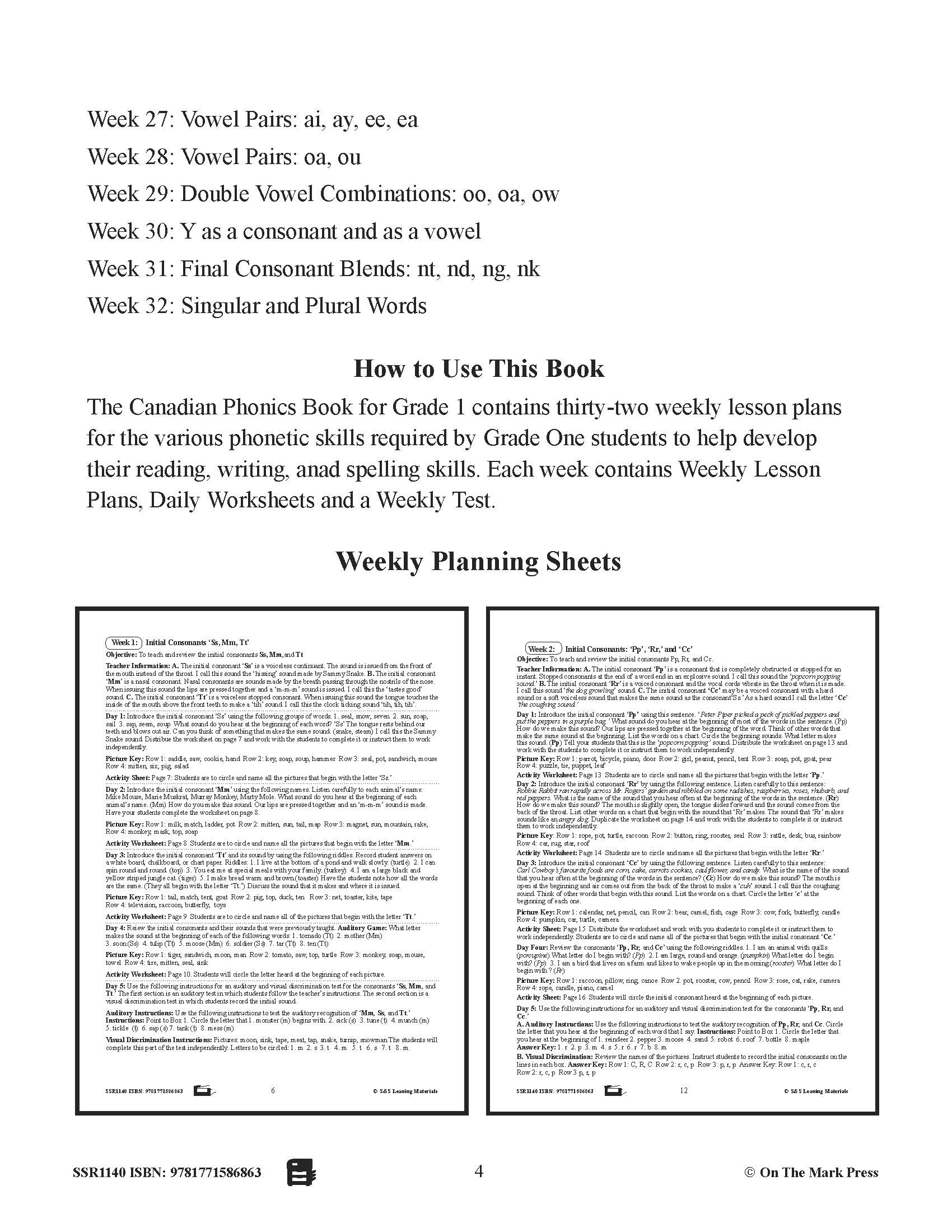
Canadian Daily Phonics Grade 1 | Consonants | Vowels | Blends
EBR1140
$36.99 CAD
Additional information:
- Author : SOLSKI, RUTH
-
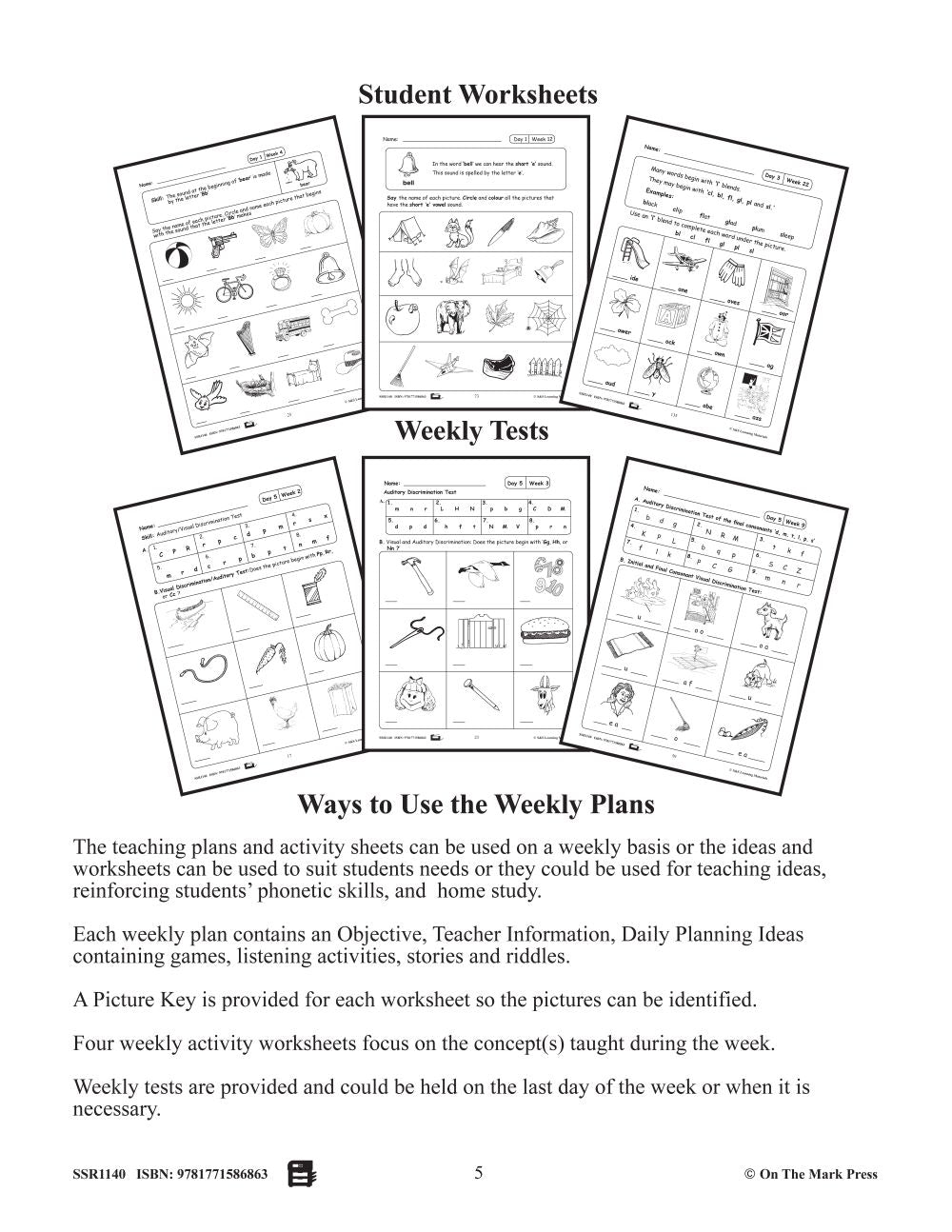
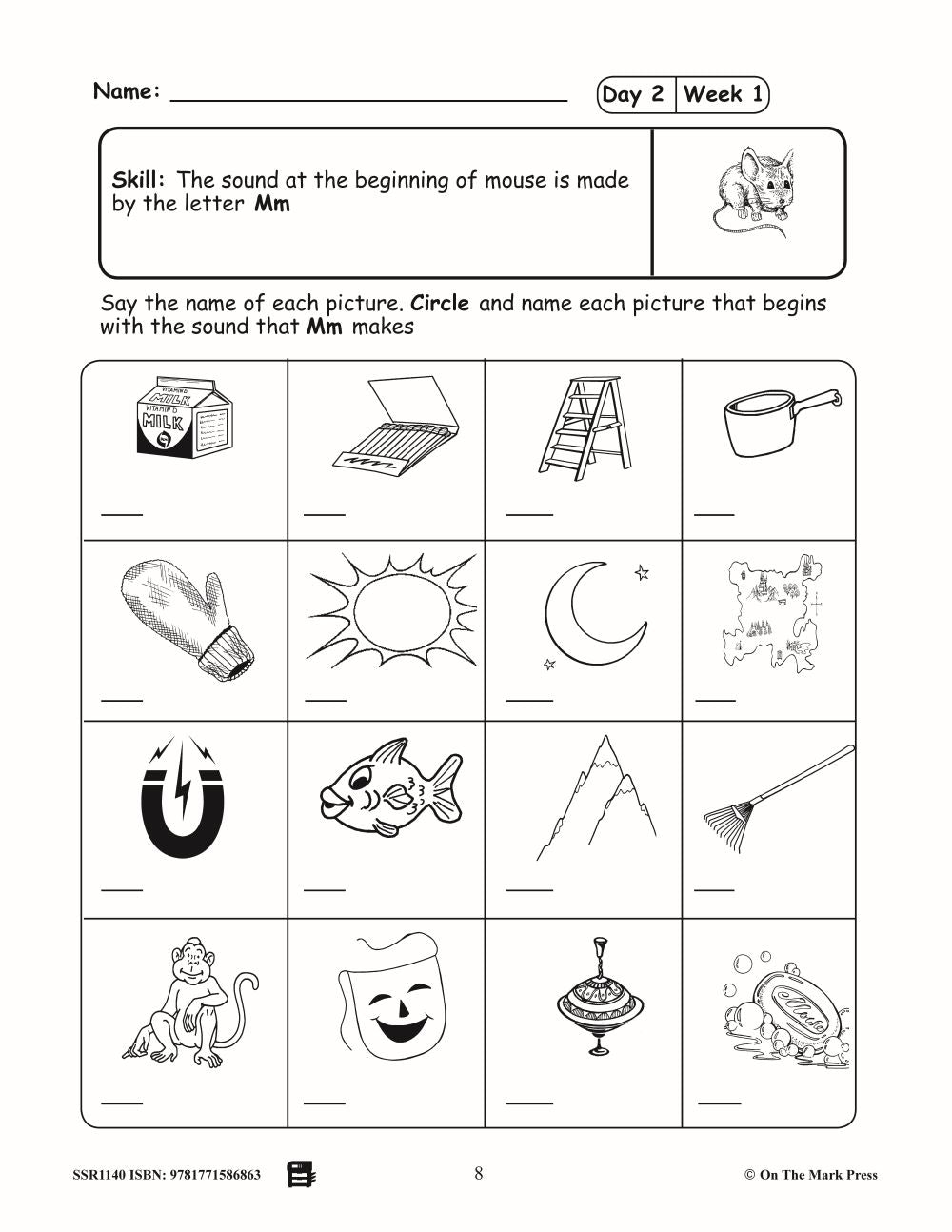
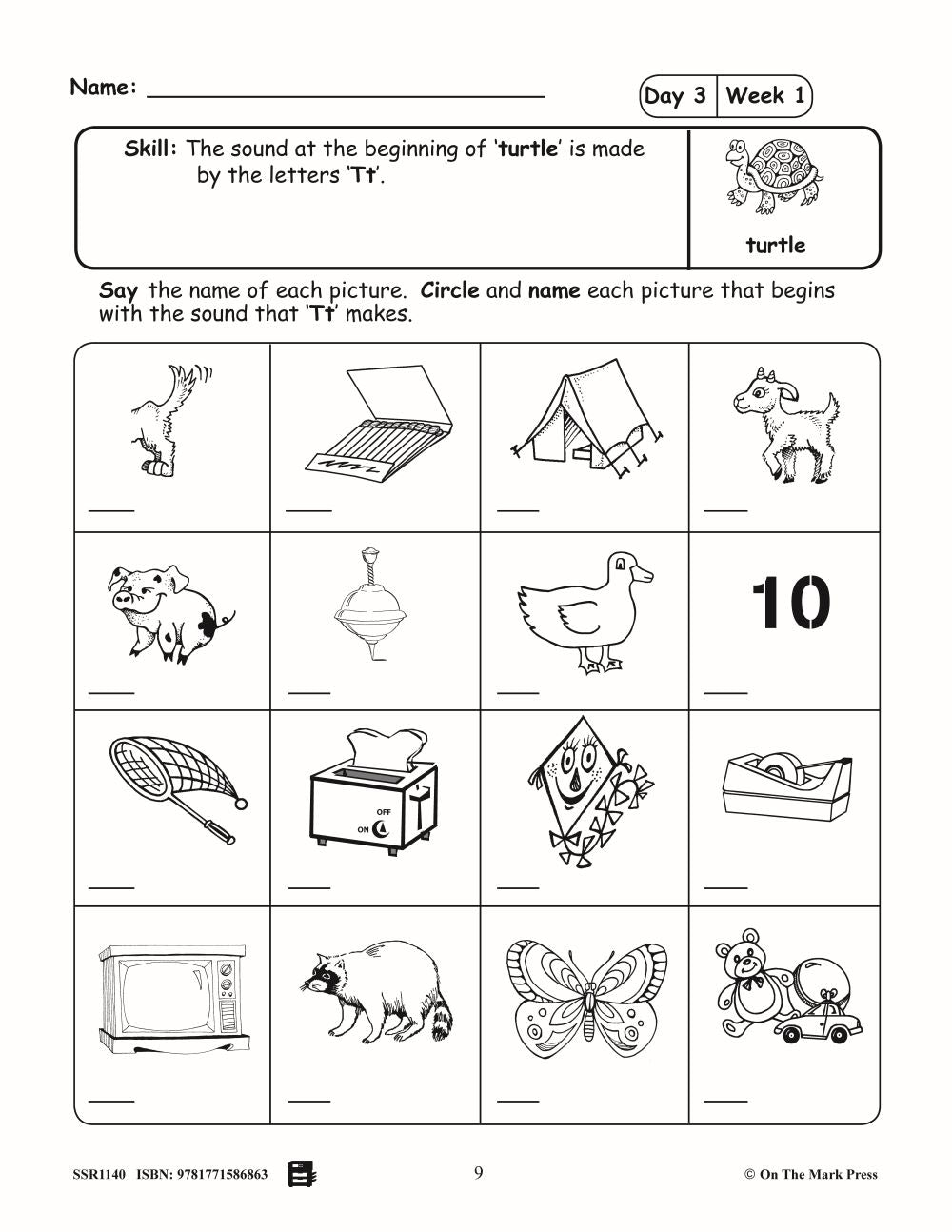
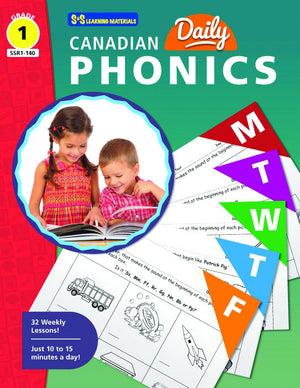
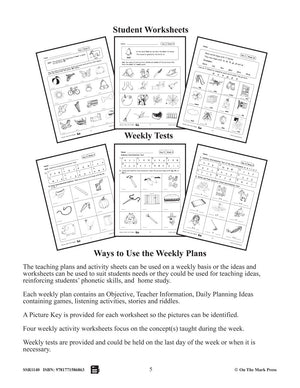
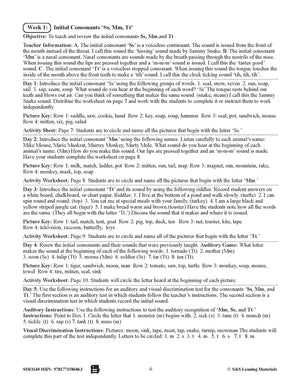
Each weekly plan contains an Objective, Teacher Information, Daily Planning Ideas containing games, listening activities, stories and riddles.
-
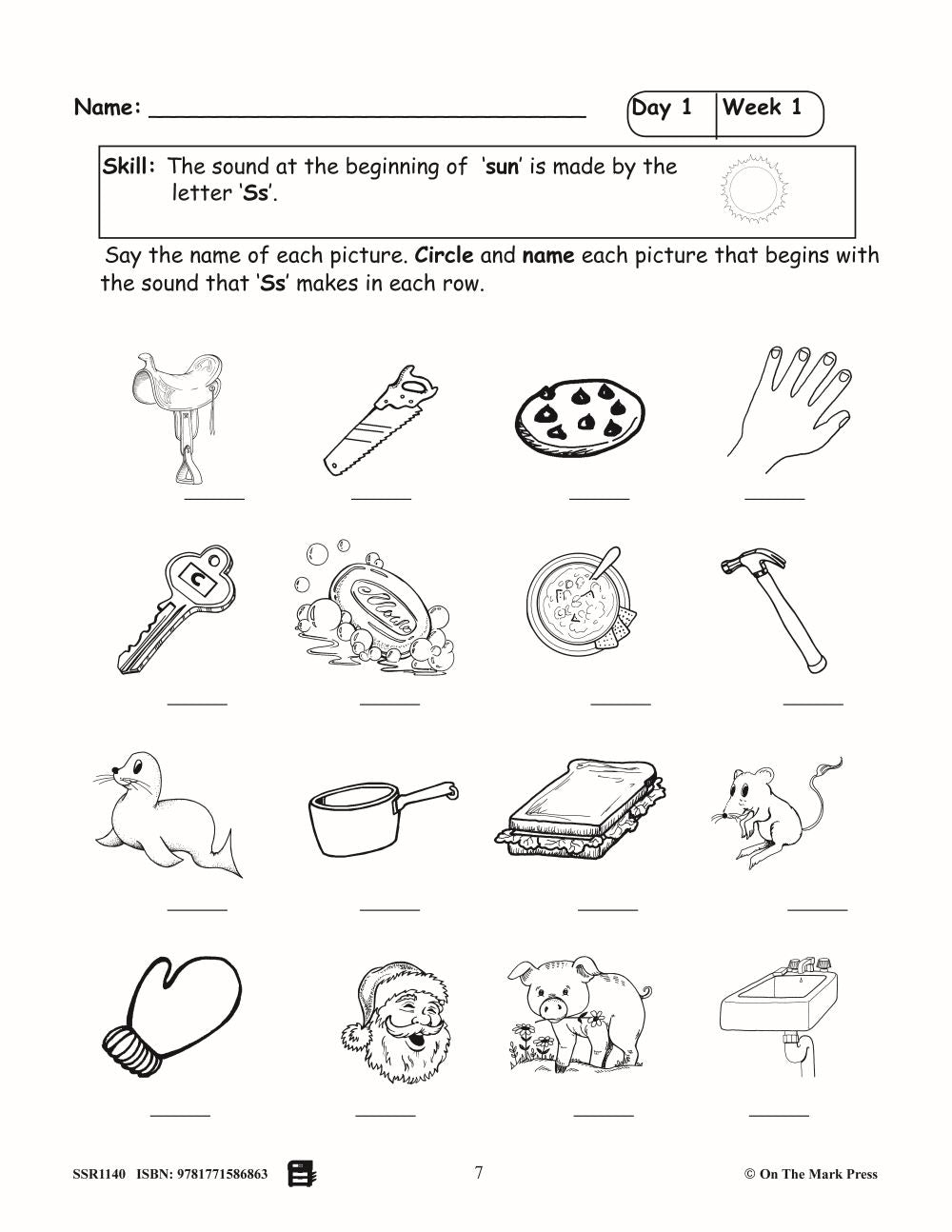
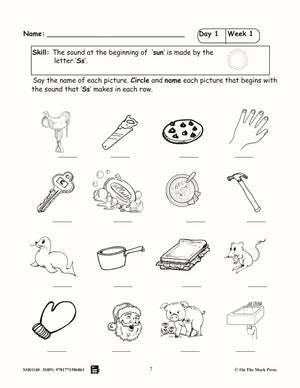
A Picture Key is provided for each worksheet so the pictures can be identified.
-
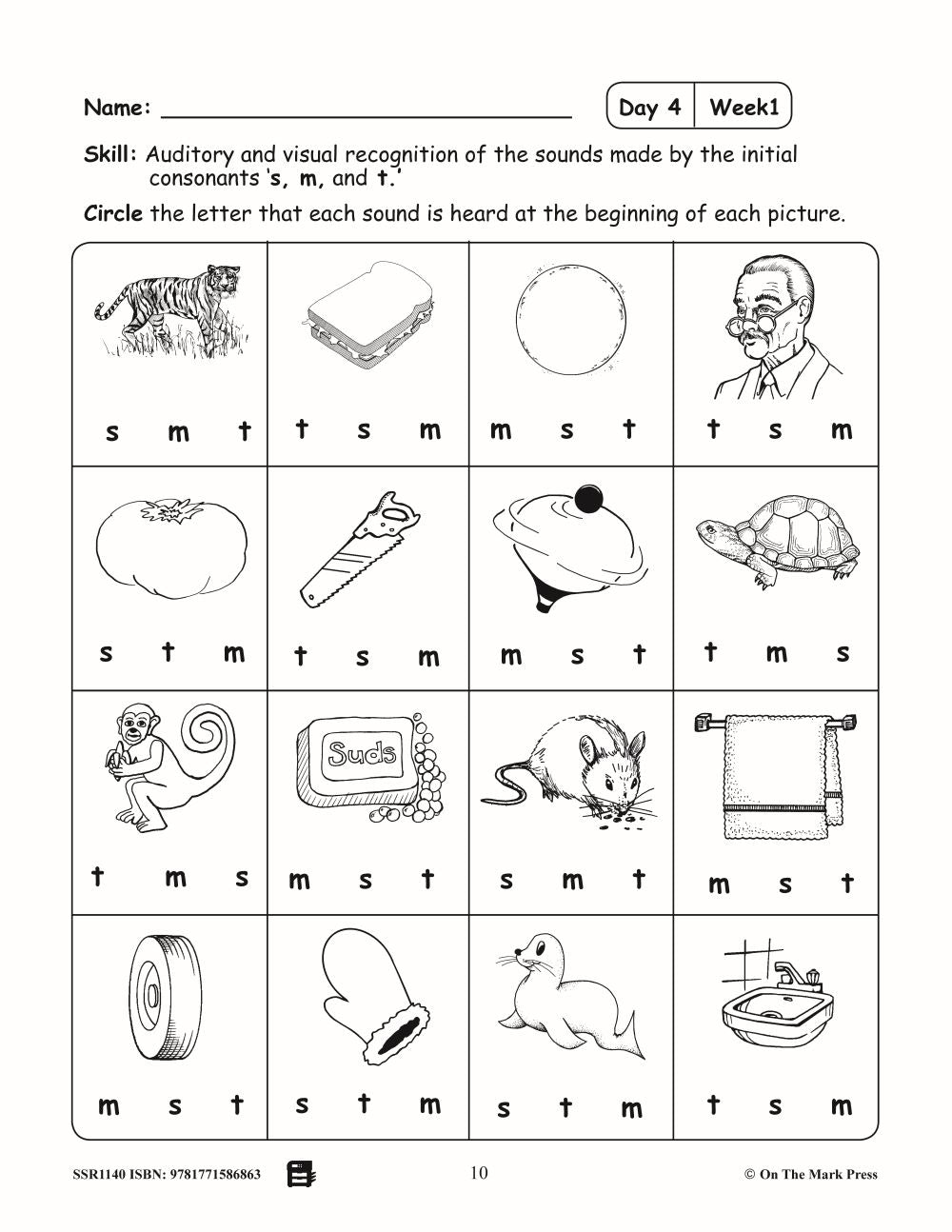
Four weekly activity worksheets focus on the concept(s) taught during the week.
-
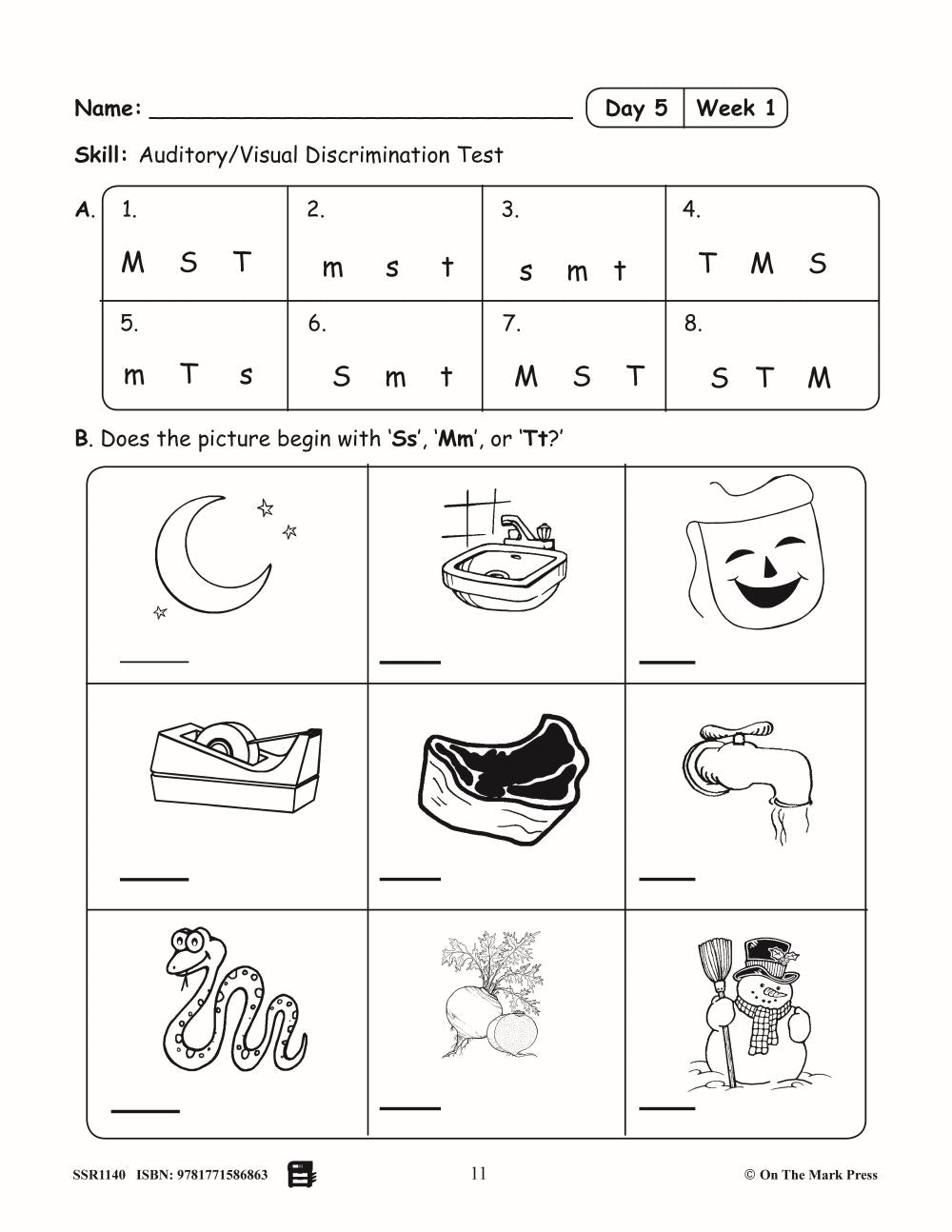
Weekly tests are provided and could be held on the last day of the week or when it is necessary
-
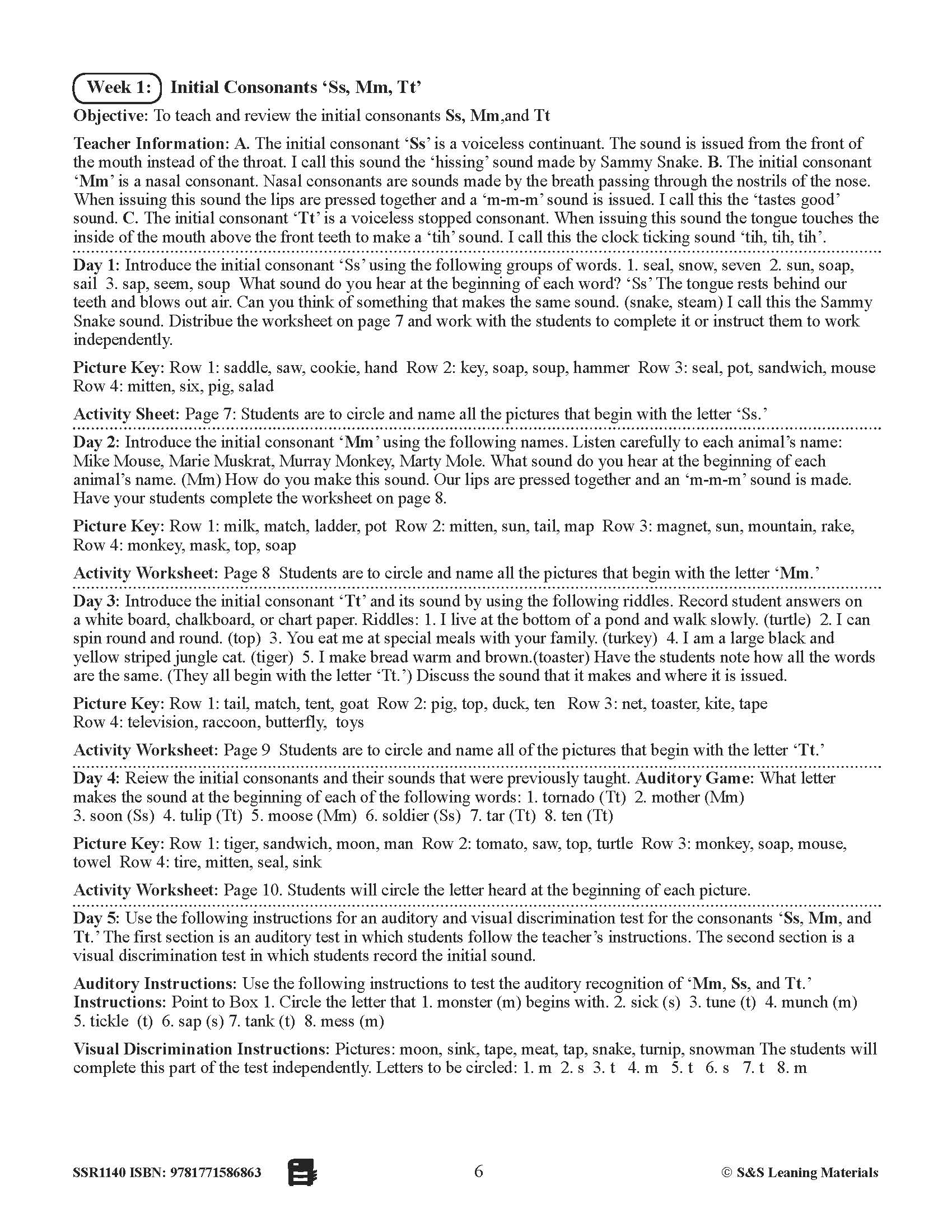
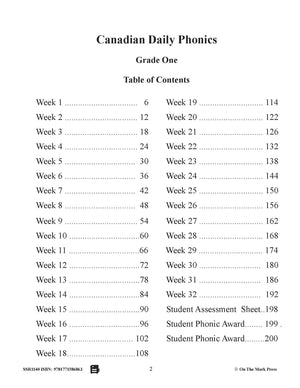
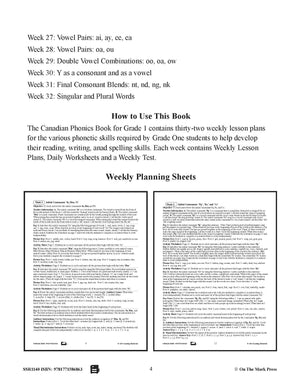
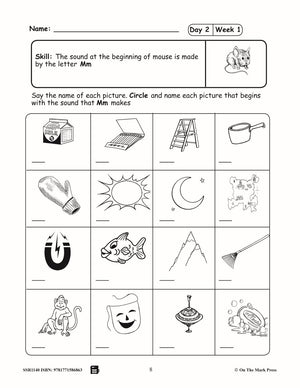
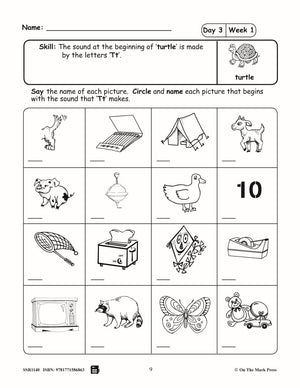
Days 1 to 3: Introduce the consonants in the lesson with a story for recognition and the sounds that they make. There is a picture key and activity worksheet for each.
-
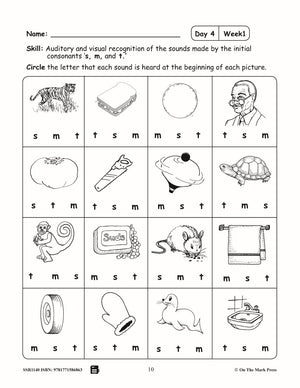
Day 4: Reviews all of the letters previously taught using riddles. There is a picture key and activity worksheet.
-
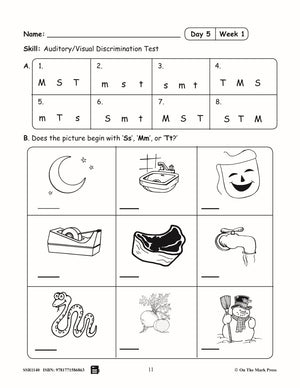
Day 5: Auditory/Visual Discrimination Test of All Sounds Previously Taught
Curriculum Alignment Across Canada
Canadian Daily Phonics (Grade 1) aligns strongly with foundational literacy expectations in every province and territory because it teaches phonemic awareness, phonics, decoding, and early spelling—skills universally required in Grade 1 language curricula.
Why It Aligns Everywhere
Because the resource explicitly teaches:
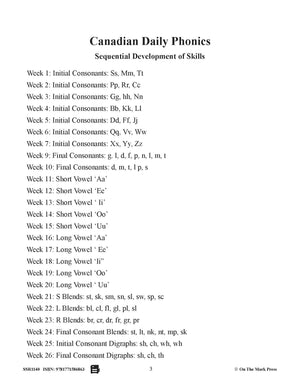
- Initial & final consonants
- Short & long vowels
- Vowel pairs
- Blends (S, L, R)
- Digraphs (sh, ch, th, wh)
- Singular/plural word forms
- Daily practice + weekly assessments
These are universal Grade 1 literacy requirements across Canada.
✔ Provinces & Territories Where This Resource Meets Grade 1 Standards
Below is a breakdown of the specific curriculum areas it supports:
Ontario – Language, Grade 1
- Foundational Knowledge & Skills (A1–A2)
- A1.1–A1.4: Phonological awareness (initial/final sounds, blends, digraphs)
- A2.1–A2.3: Decoding using letter–sound relationships
- Literacy Connections: Weekly tests and daily practice support fluency and accuracy.
British Columbia – English Language Arts, Grade 1
- Phonemic Awareness & Word Skills
- Students must “use knowledge of letter–sound relationships to decode.”
- Curricular Competencies: Building reading strategies, recognizing word patterns.
Alberta – English Language Arts & Literature, Grade 1
- Early Literacy Development
- Phonemic awareness, blending, segmenting, decoding, and spelling patterns.
- Knowledge & Employability: Identifying consonants, vowels, digraphs, blends.
Saskatchewan – English Language Arts, Grade 1
- Comprehension & Word Recognition
- Using sound–symbol relationships to read and write words.
Manitoba – English Language Arts, Grade 1
- Reading & Writing Foundations
- Recognizing letter–sound relationships, decoding simple words, spelling patterns.
Nova Scotia – English Language Arts, Grade 1
- Early Literacy Skills
- Phonological awareness, consonant/vowel patterns, blends, digraphs.
New Brunswick – English Language Arts, Grade 1
- Foundational Reading Skills
- Identifying sounds, decoding, spelling simple words.
Prince Edward Island – English Language Arts, Grade 1
- Phonics & Word Study
- Letter–sound relationships, blends, digraphs, vowel patterns.
Newfoundland & Labrador – English Language Arts, Grade 1
- Reading Foundations
- Phonemic awareness, decoding, spelling patterns.
Yukon, Northwest Territories, Nunavut
- These jurisdictions follow or closely mirror BC or Alberta curricula.
- Supports Grade 1 expectations for phonics, decoding, and early spelling.
You may also like:
Canadian Daily Language Activities
Canadian Math Google Slide Activities
Make lesson planning easier! Sign up for free weekly lessons tailored to grade 1.
Start Receiving Your Freebies This Week!
Follow us on:

