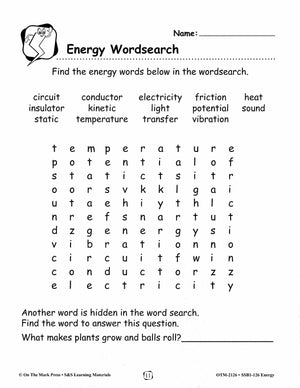
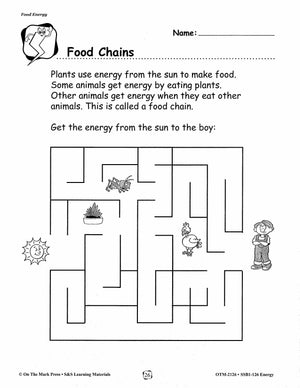
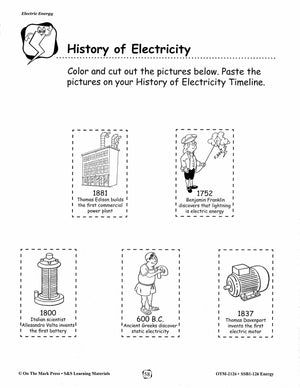
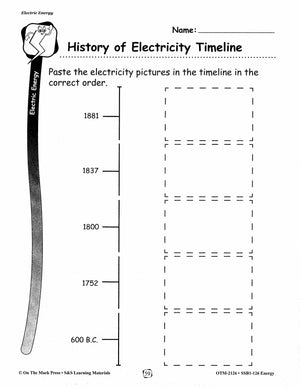
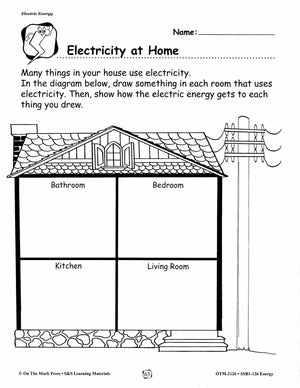
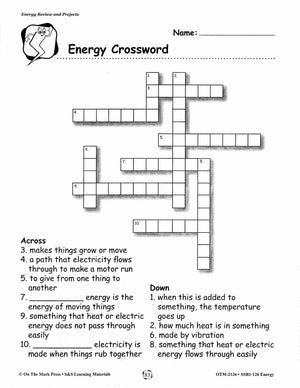
Energy (Grades 1–3) is a hands-on, experiment-rich science resource that introduces young learners to the major forms of energy—light, heat, sound, electricity, motion, magnetic, and chemical. Through structured investigations, students explore how energy is produced, transferred, and used in everyday life. Activities such as building circuits, testing friction, racing solar cars, observing plant growth, and experimenting with sound vibrations help students develop a concrete understanding of abstract concepts. The book also integrates food energy, food chains, and food webs, connecting physical science to life systems.
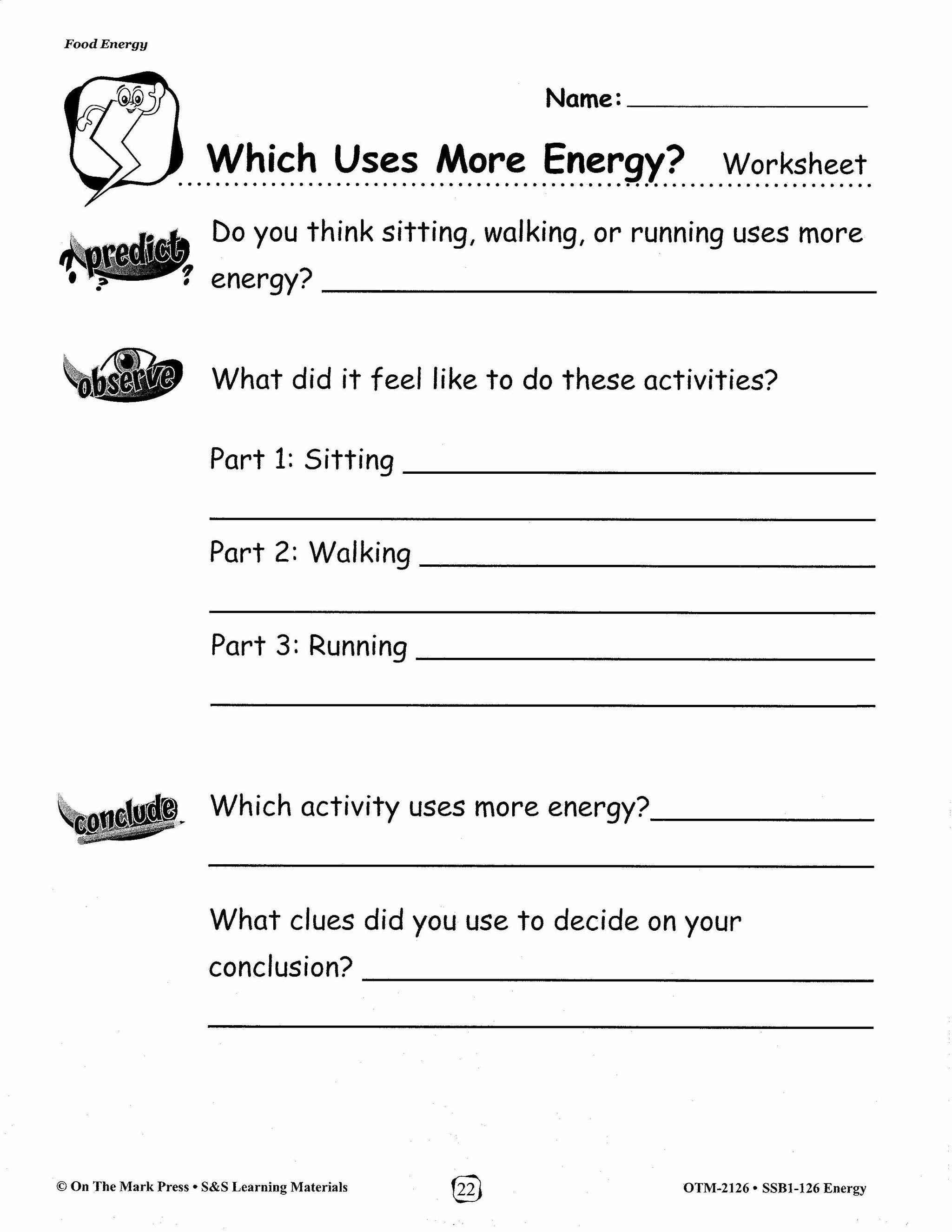
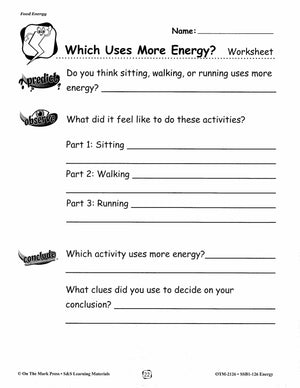
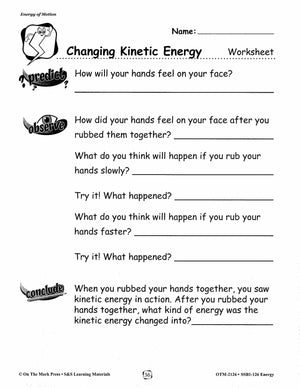
The resource strongly emphasizes scientific inquiry. Each activity follows a consistent structure: question, prediction, materials, procedure, observation, and conclusion. Students practice essential STEM skills including predicting, measuring, recording data, communicating results, and working collaboratively. The inclusion of invention fairs, scavenger hunts, and real-world energy applications makes the learning engaging and meaningful. Overall, this resource provides a comprehensive, curriculum-aligned introduction to energy suitable for Grades 1–3.
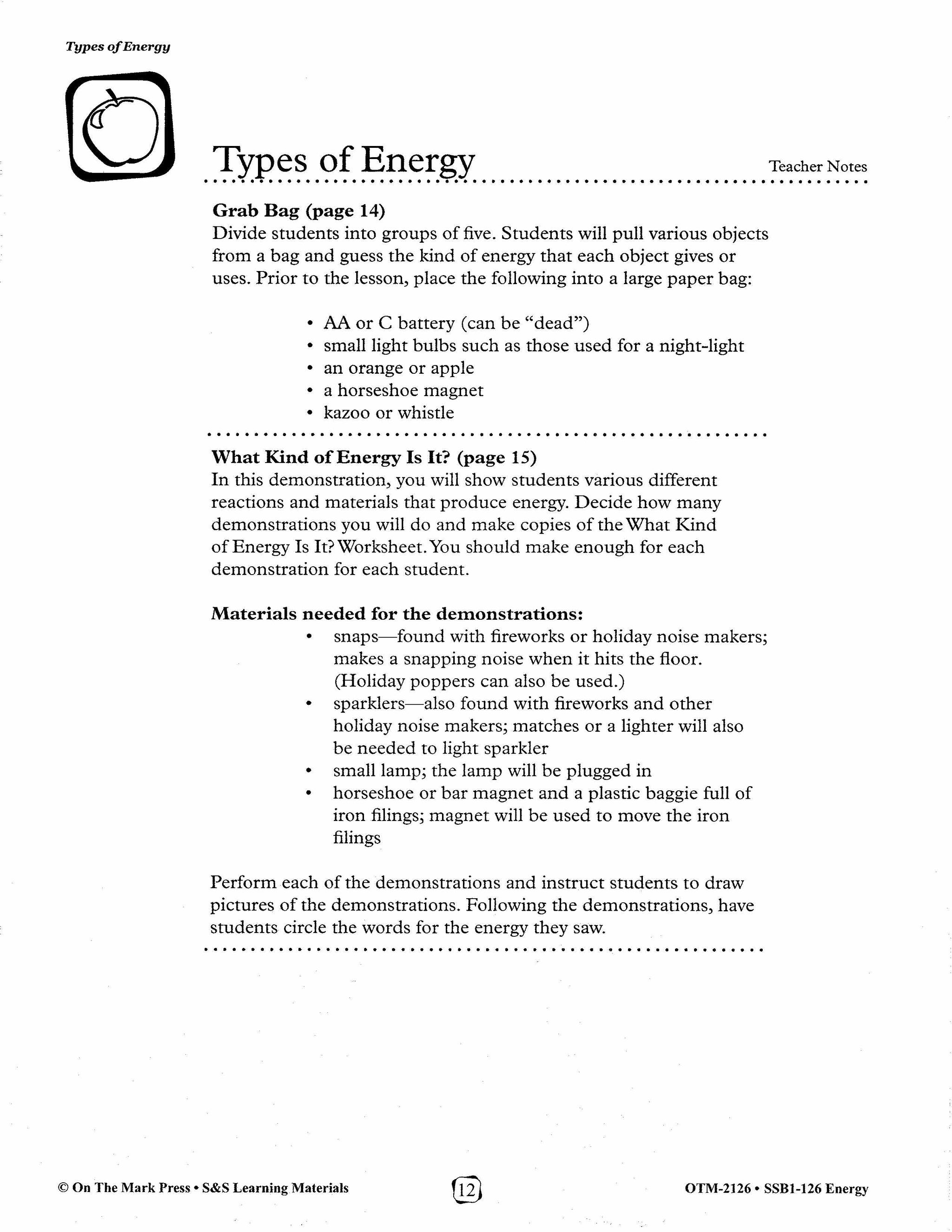
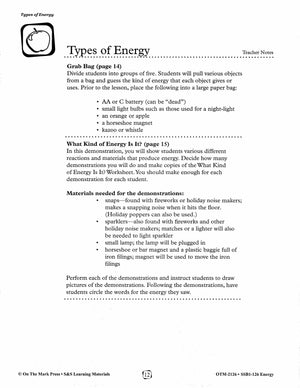
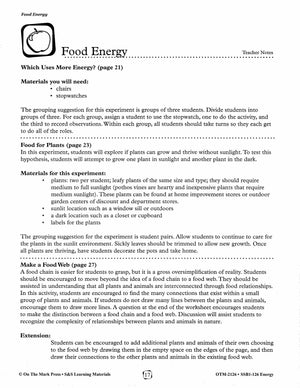
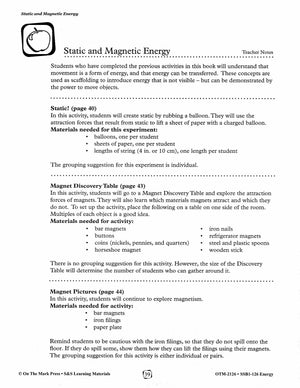
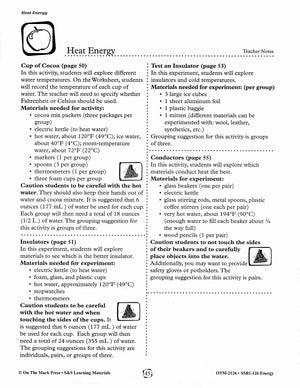
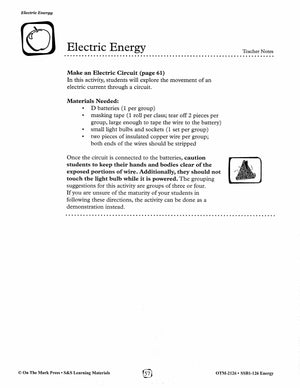
In each section, you will find teacher notes designed to provide you guidance with the materials needed, classroom set up, and safety precautions. The answer key provides some insight on what results to expect when the experiments are conducted.
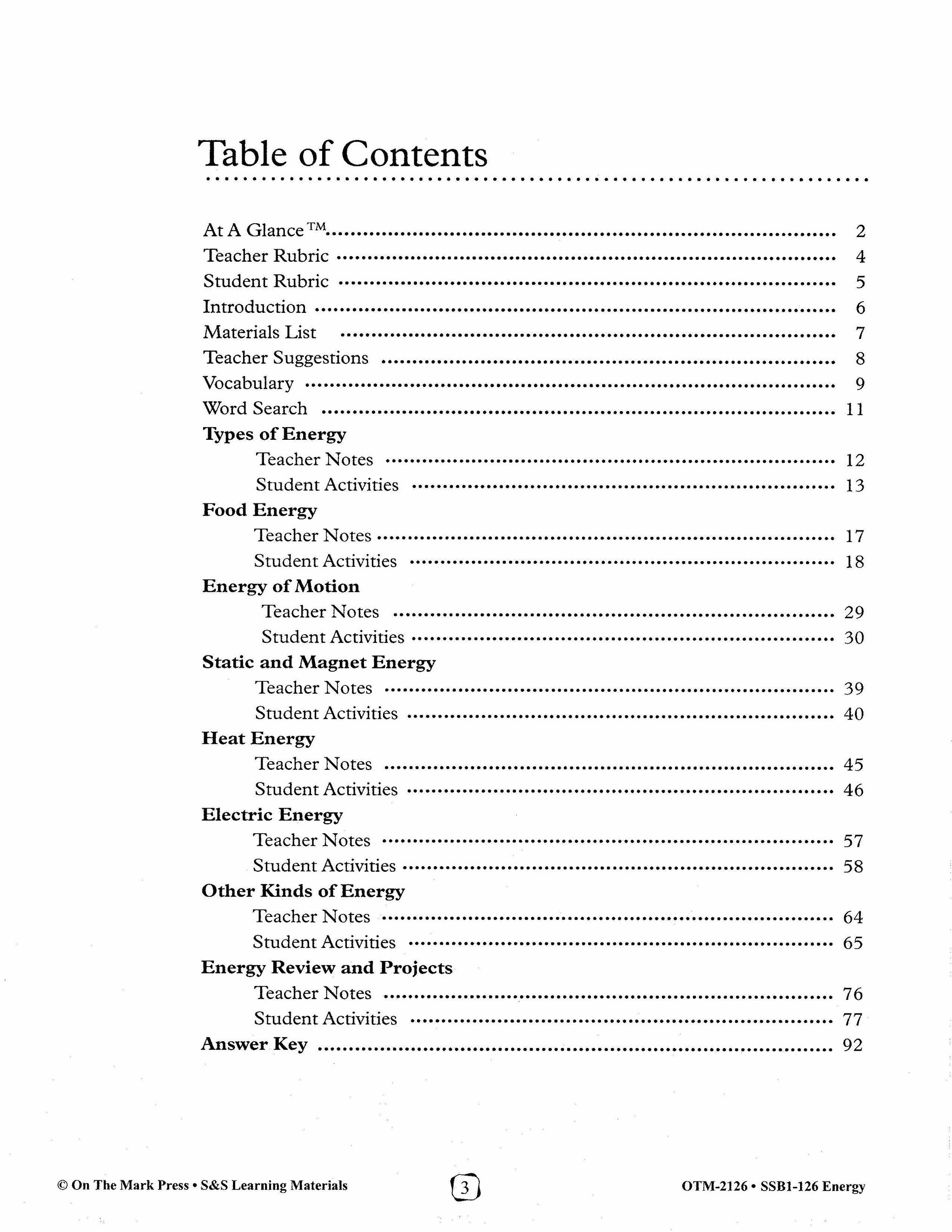
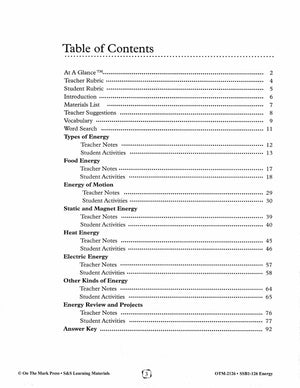
Lesson Topics Include:
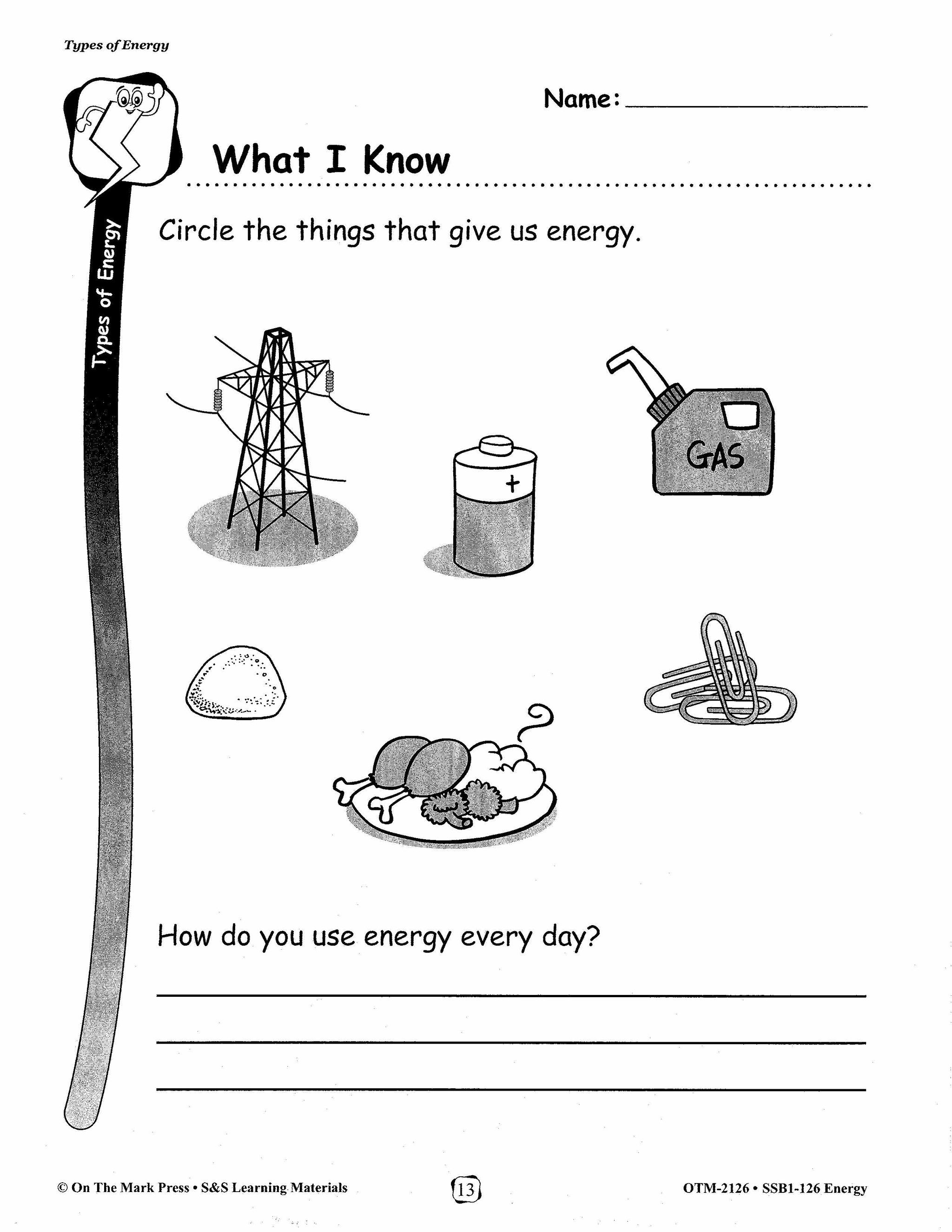
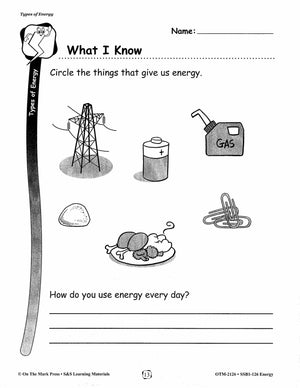
Types of Energy
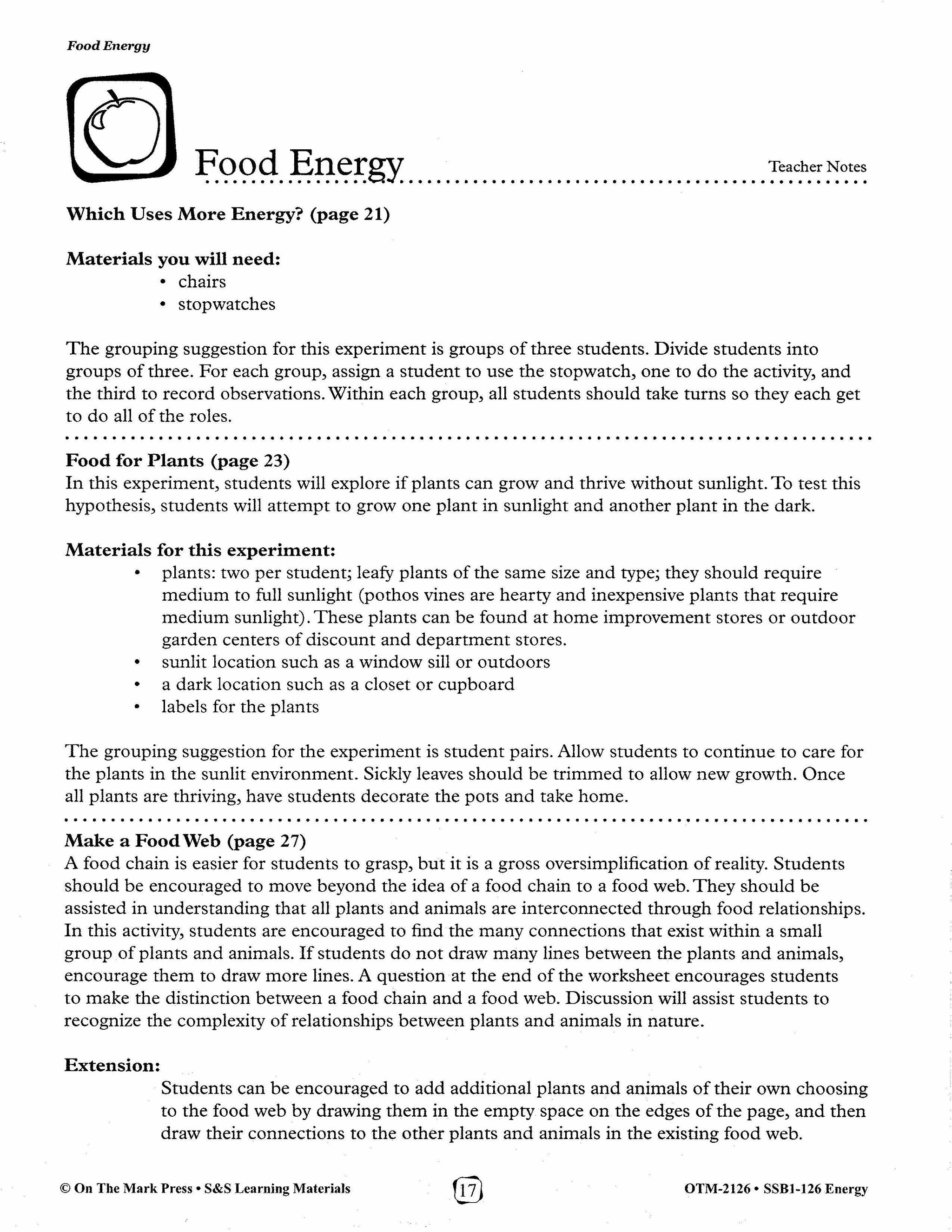
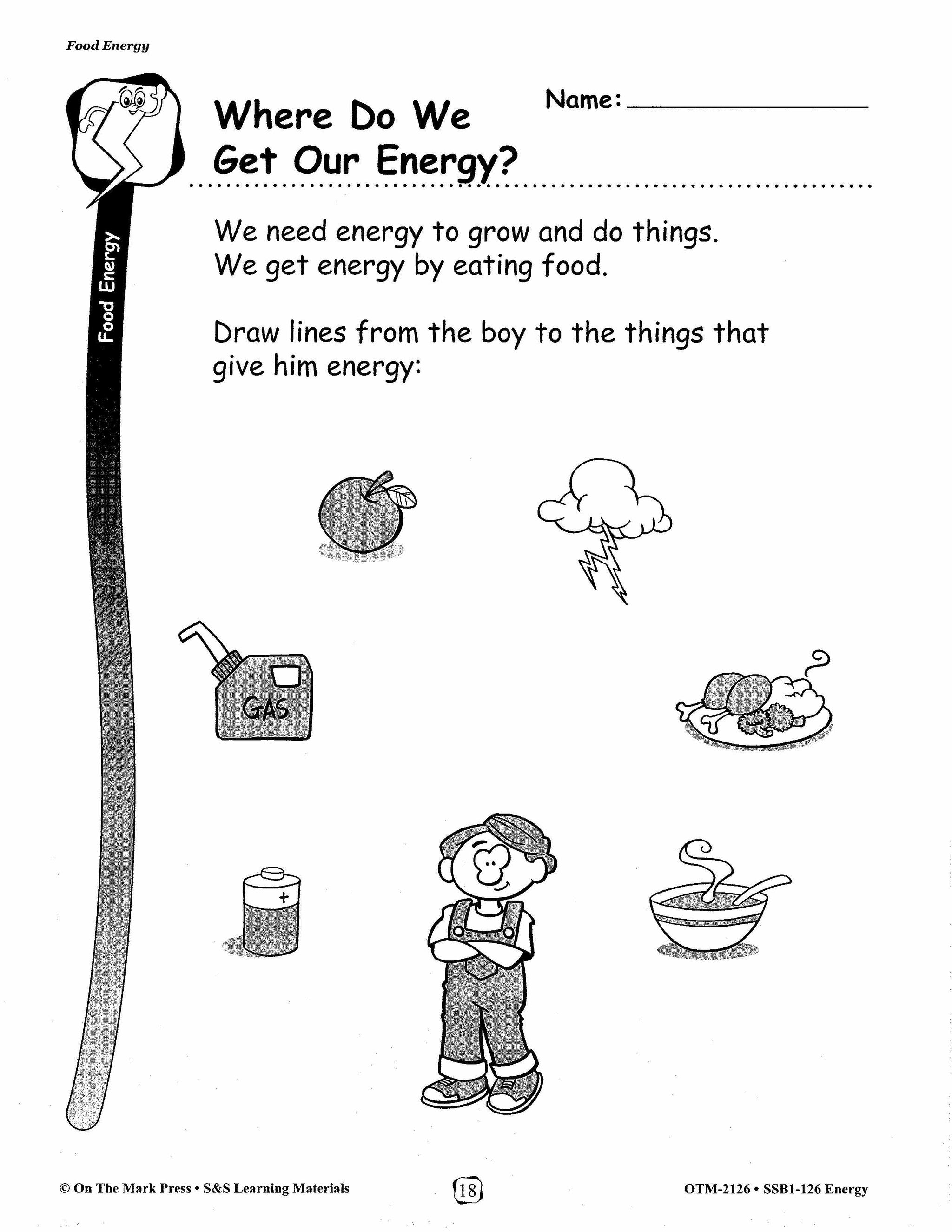
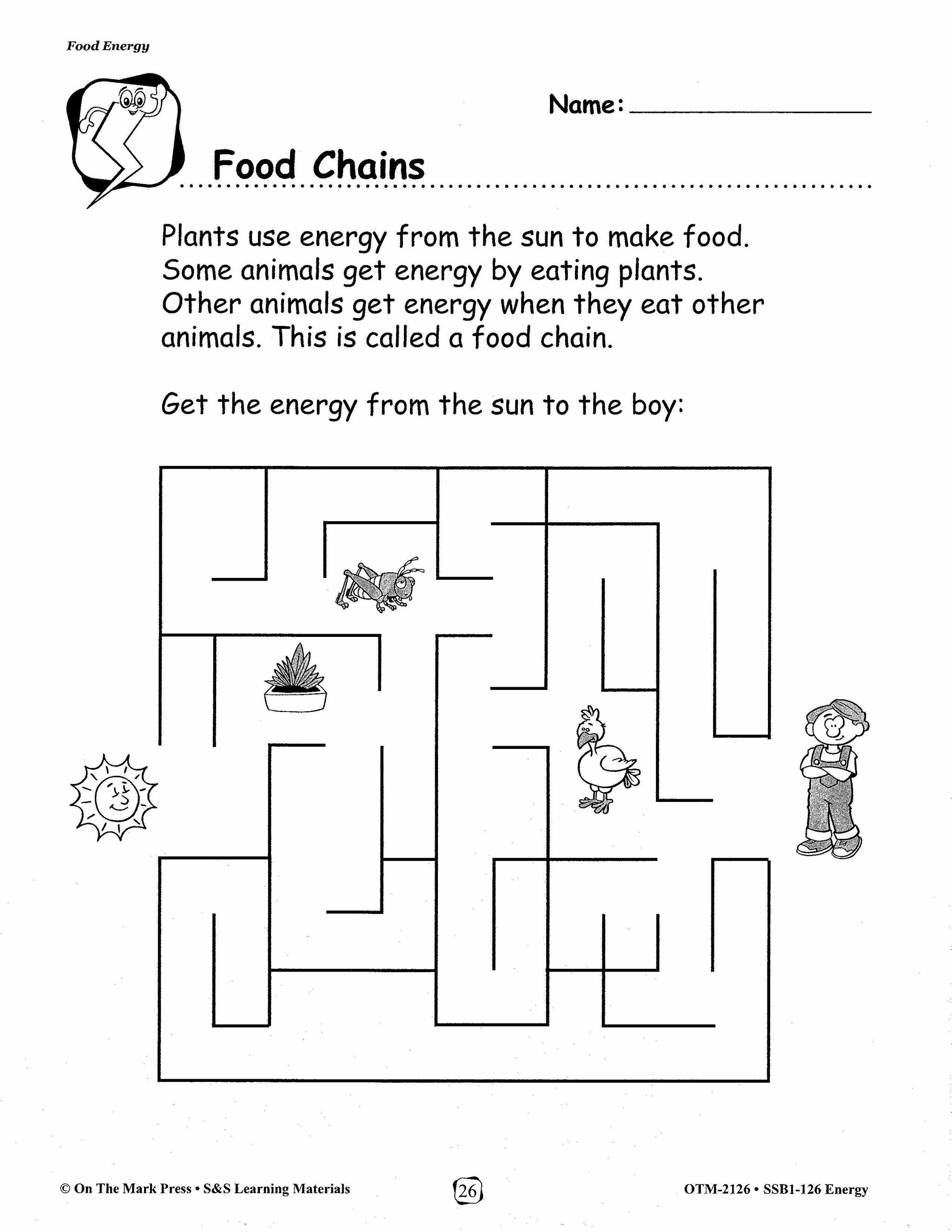
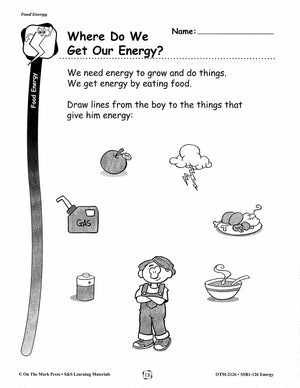
Food Energy
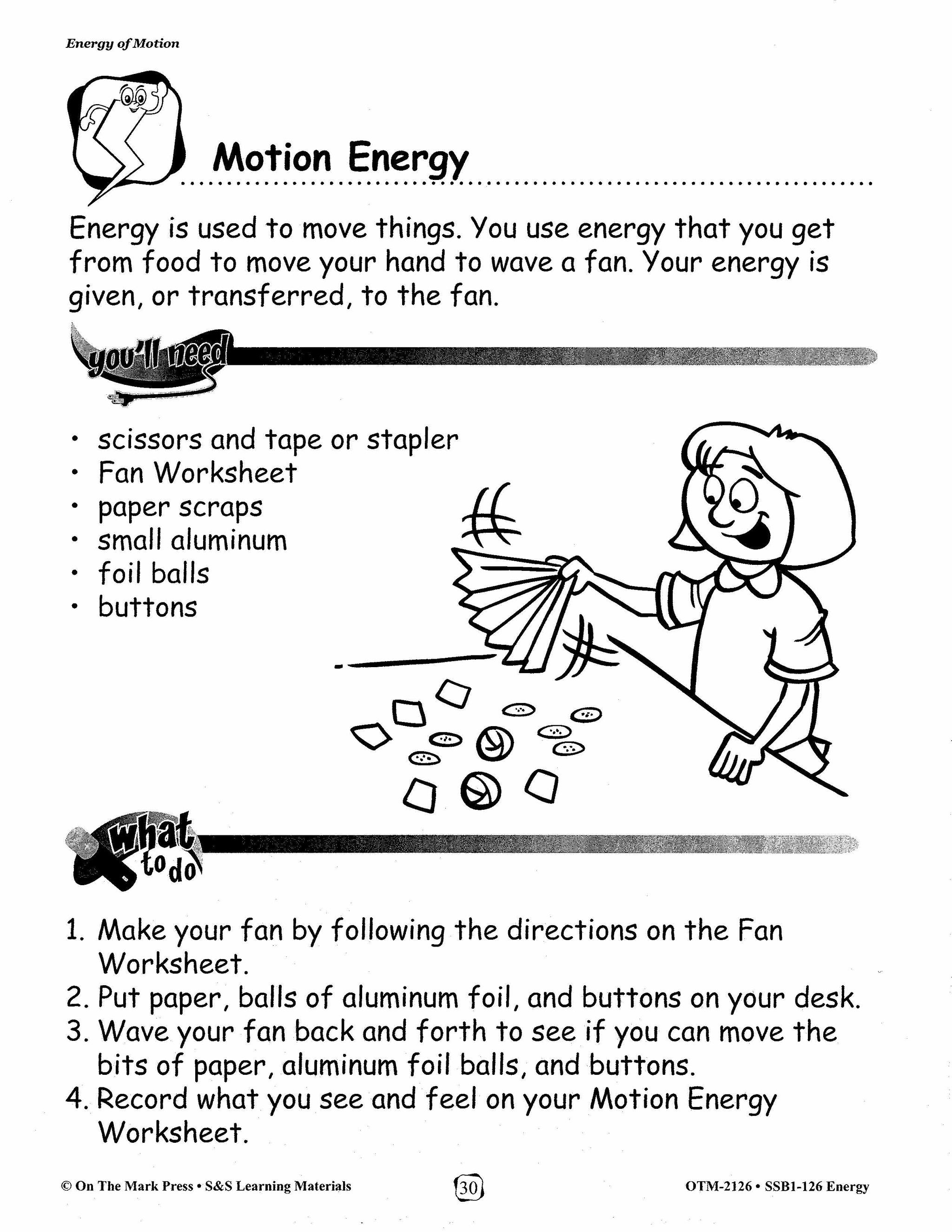
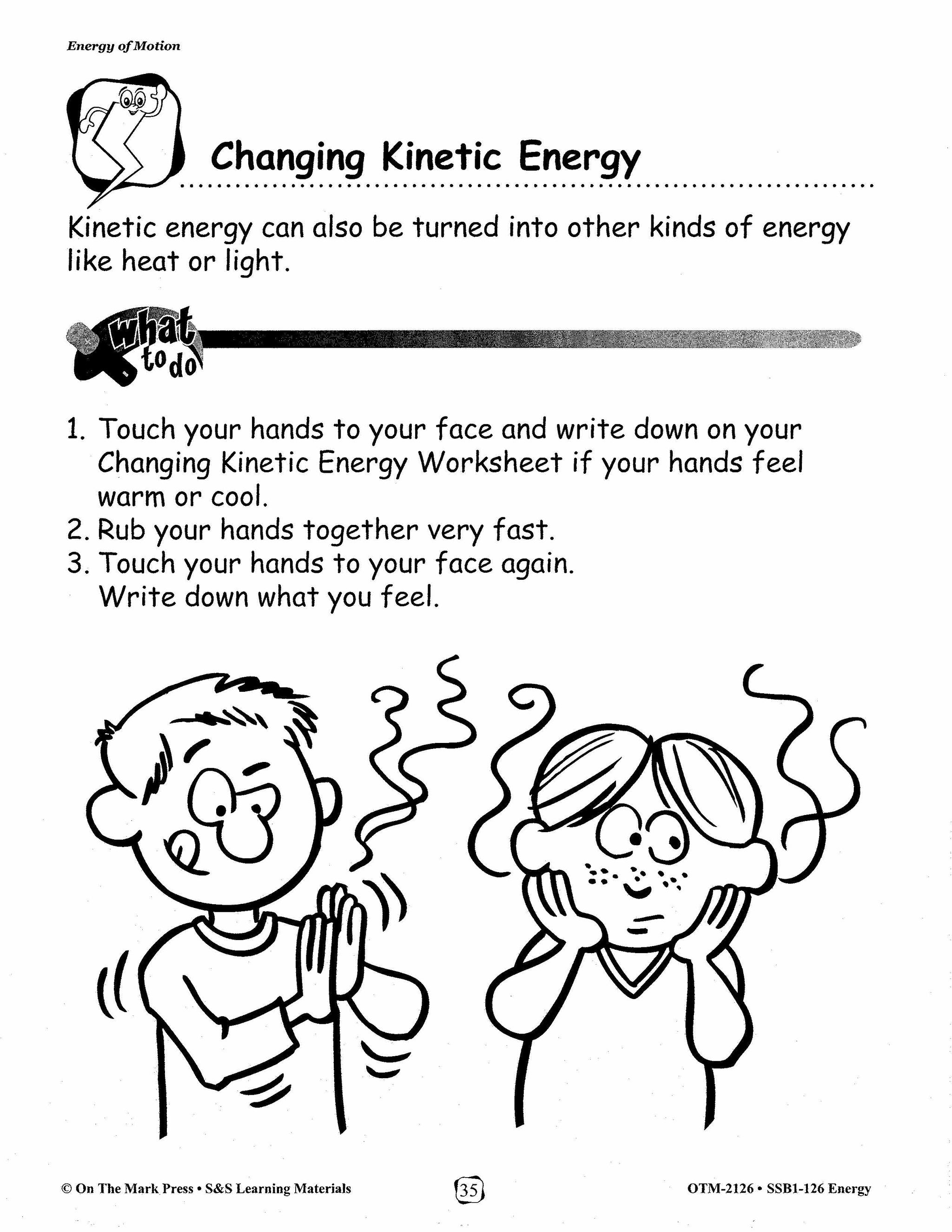
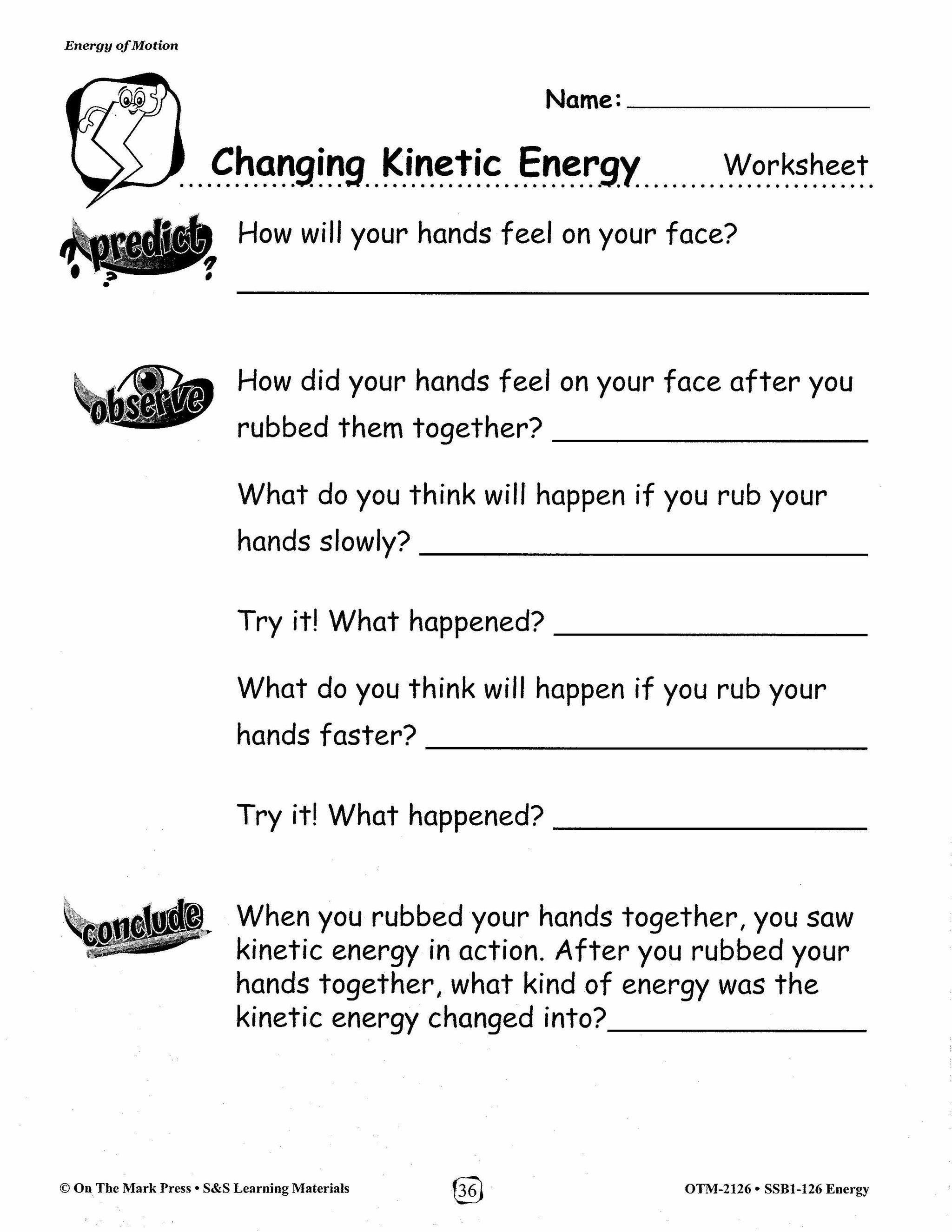
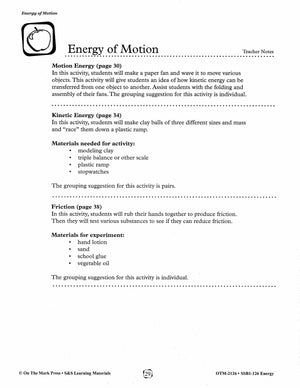
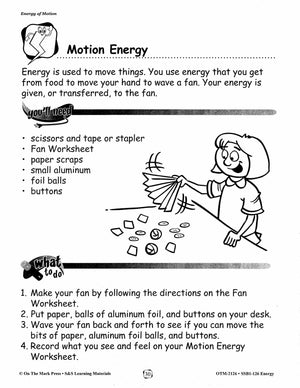
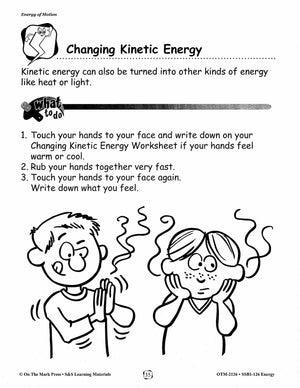
Energy of Motion
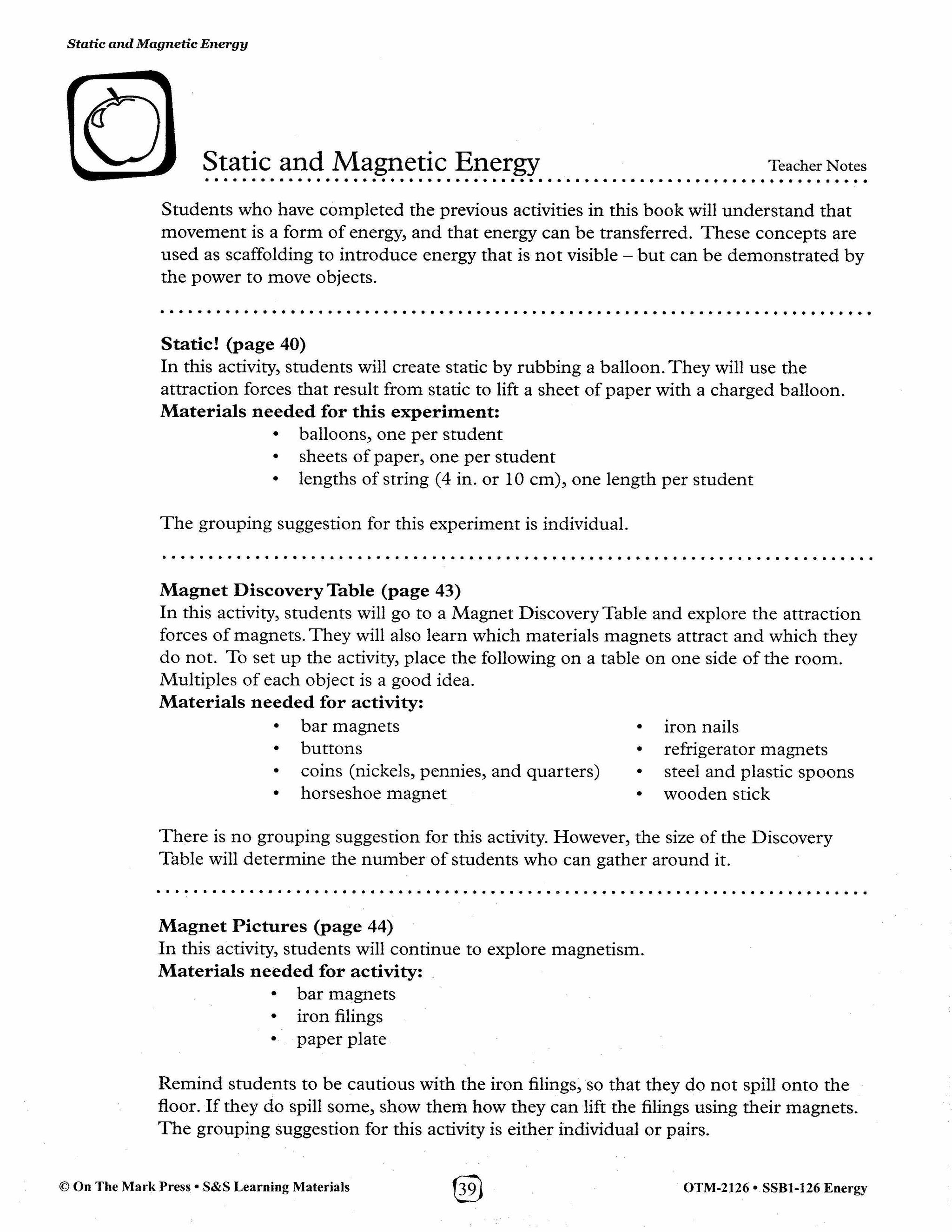
Static and Magnet Energy
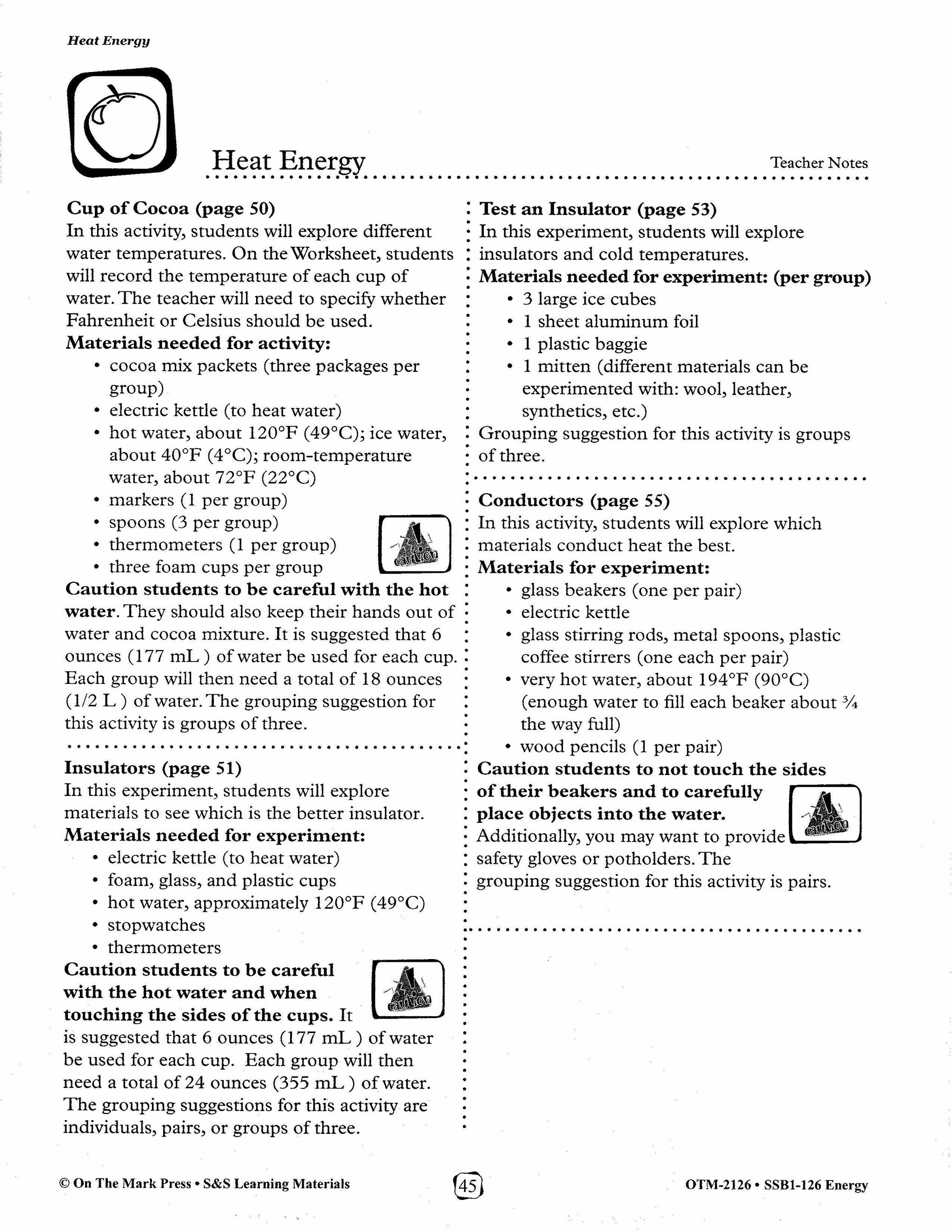
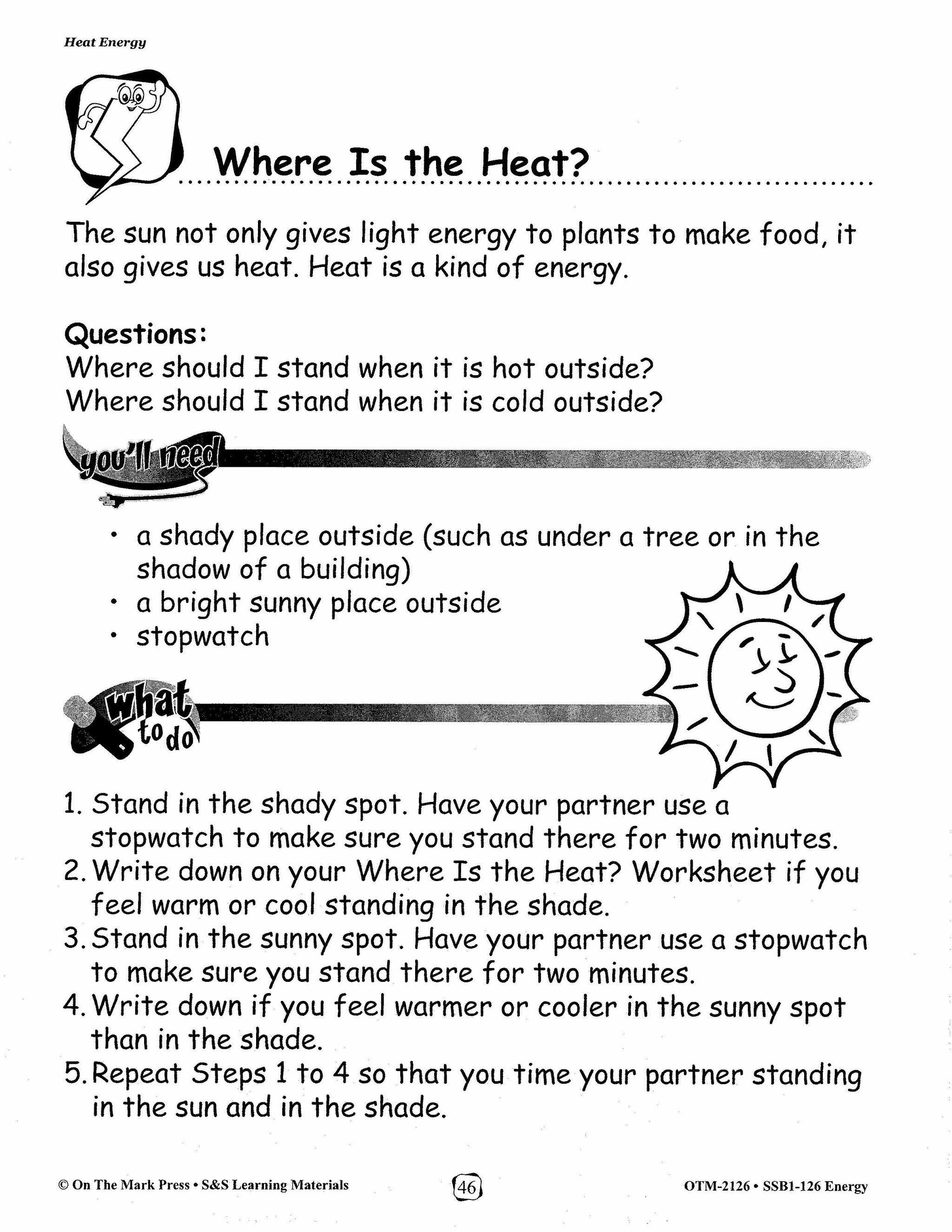
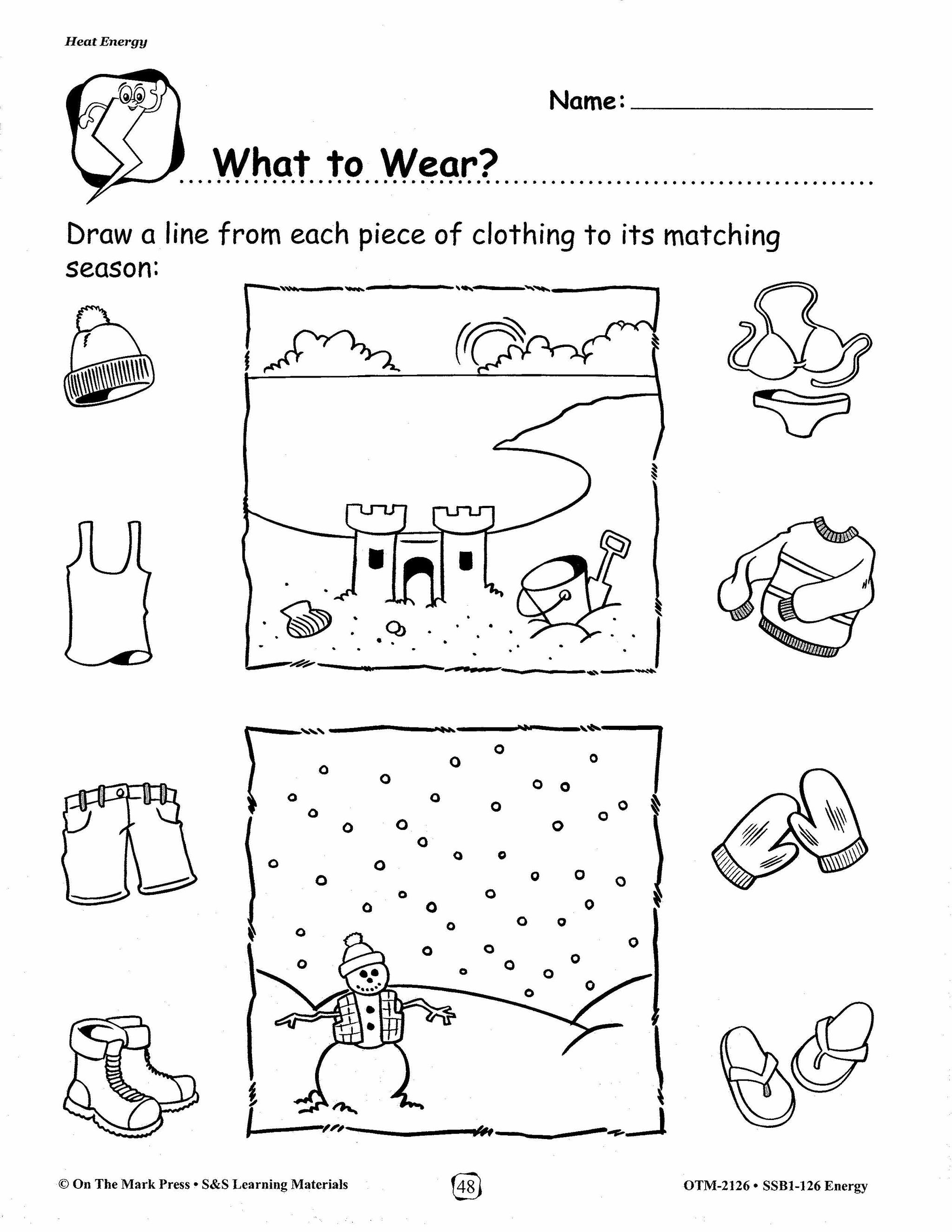
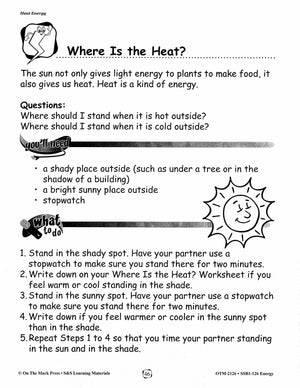
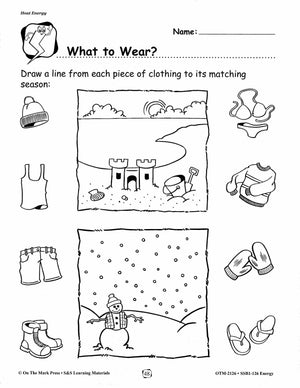
Heat Energy
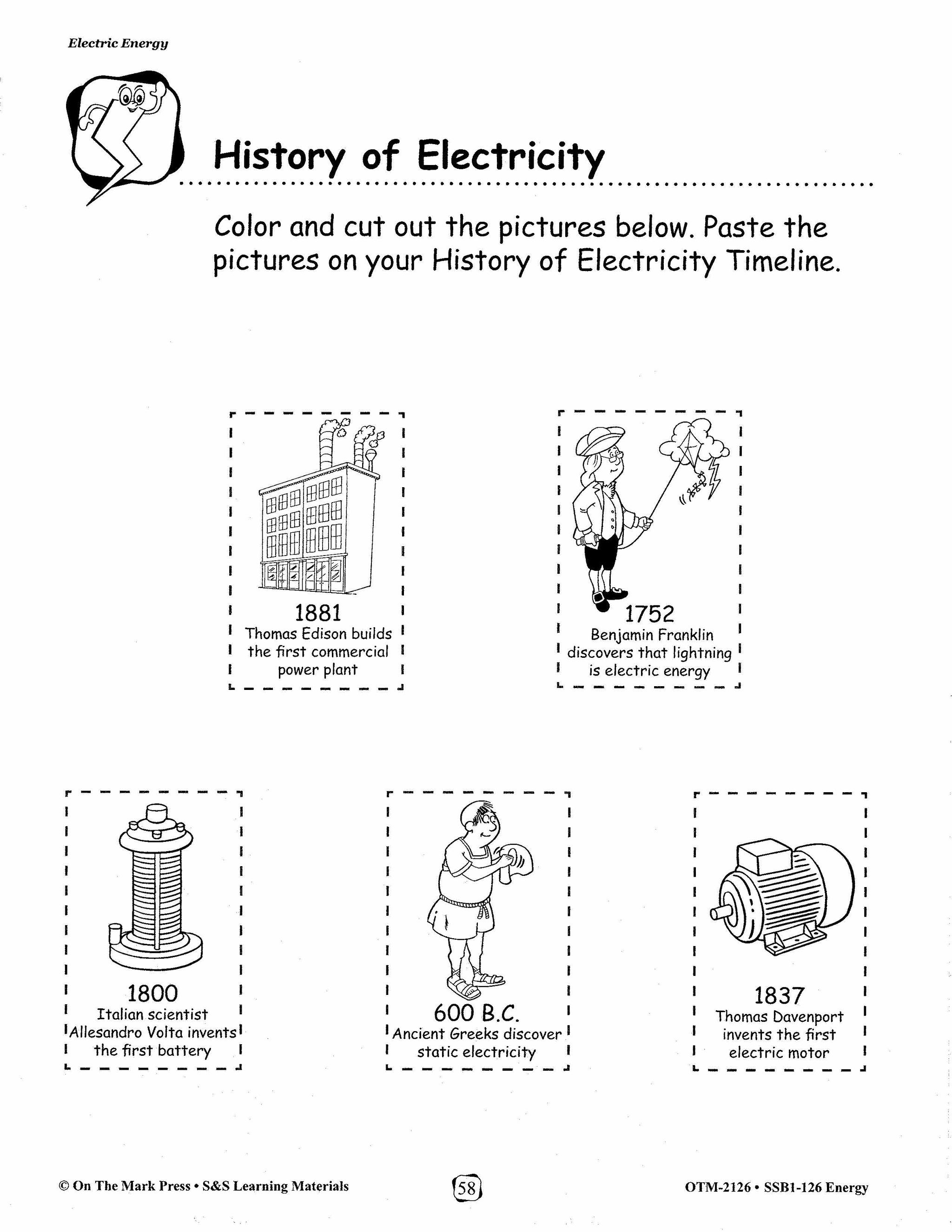
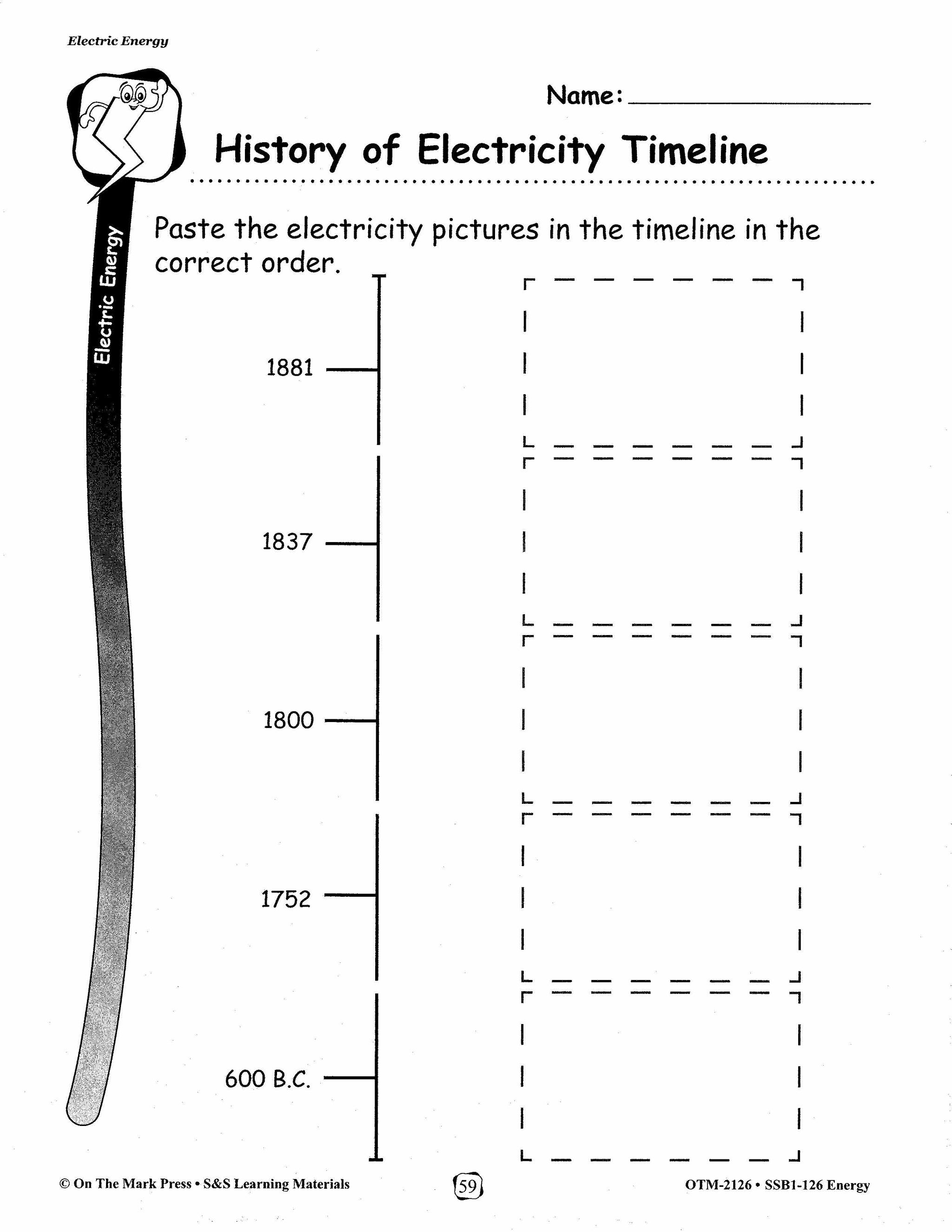
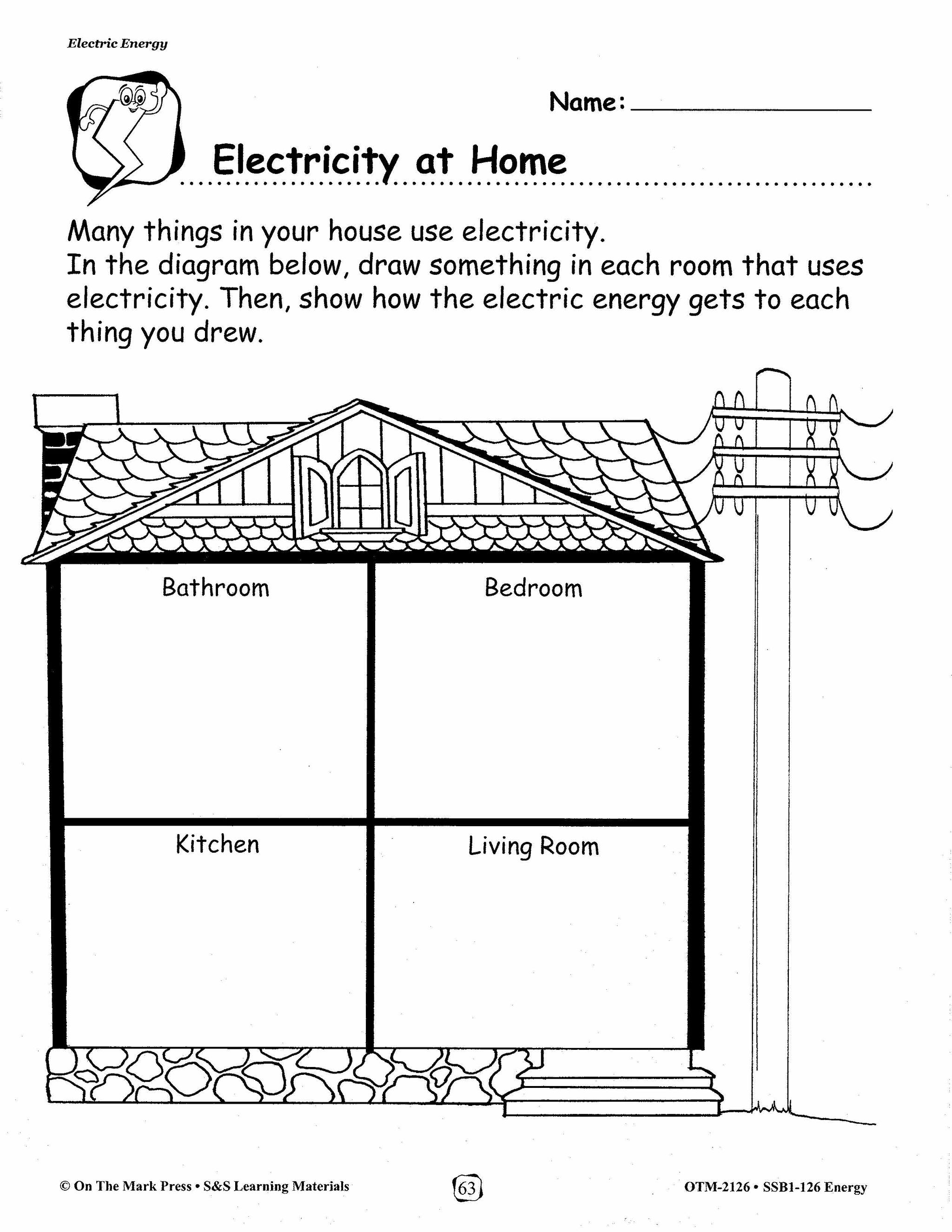
Electric Energy
Other Kinds of Energy Teacher Notes Student Activities
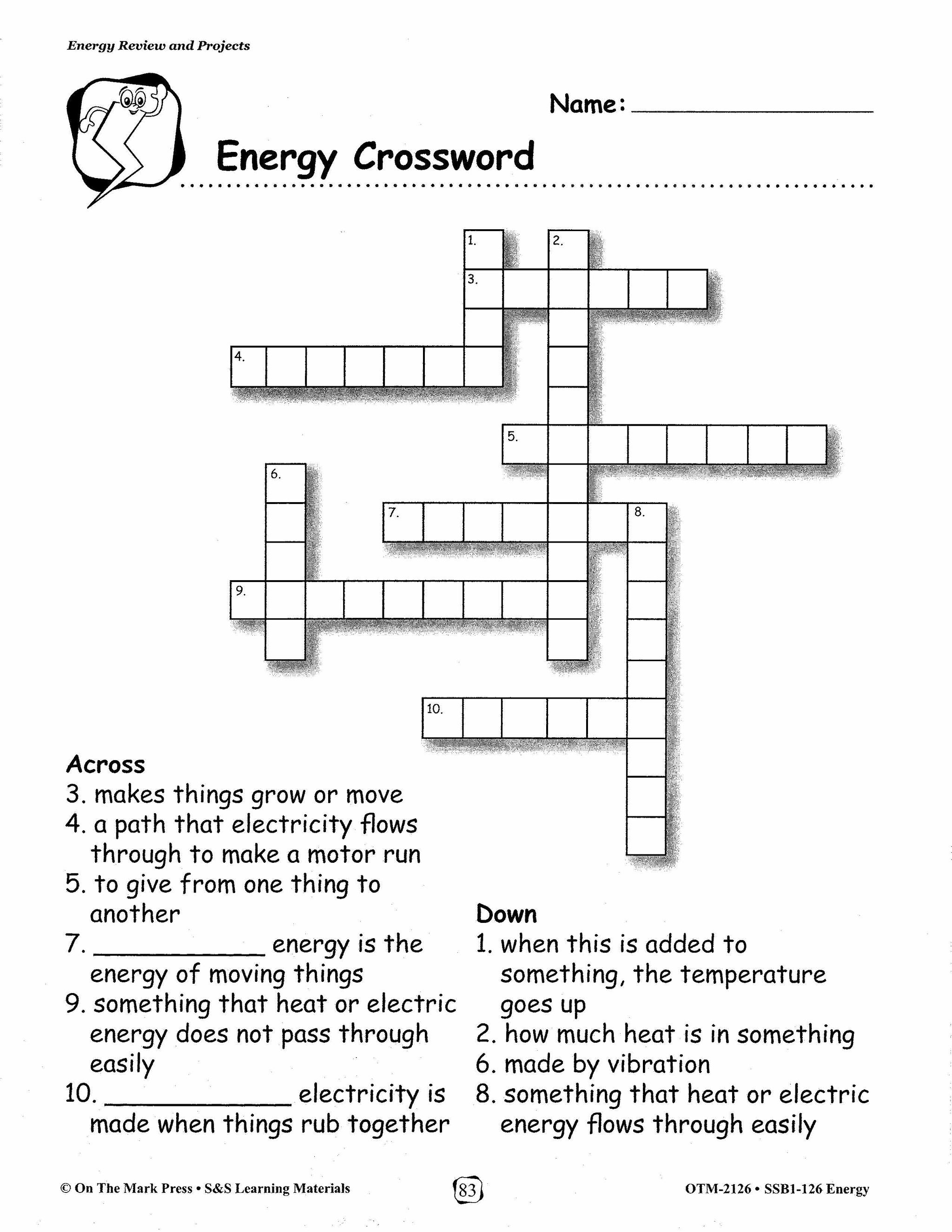
Energy Review and Projects
96 pages, includes answer key.
This resource is fully aligned to Canadian provincial/territorial science standards (Grades 1–3), NGSS K–2, and Common Core ELA (K–3). It supports Matter & Energy, Forces & Motion, Sound & Light, Electricity, Environmental Connections, and STEM inquiry expectations across all regions. Perfect for classrooms, homeschool, and science centers.