
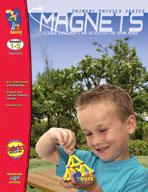
Magnets Lessons and Experiments Grades 1-3
EBOTM2128
$26.99 CAD
Additional information:
- Author : Deslauriers, Isabel
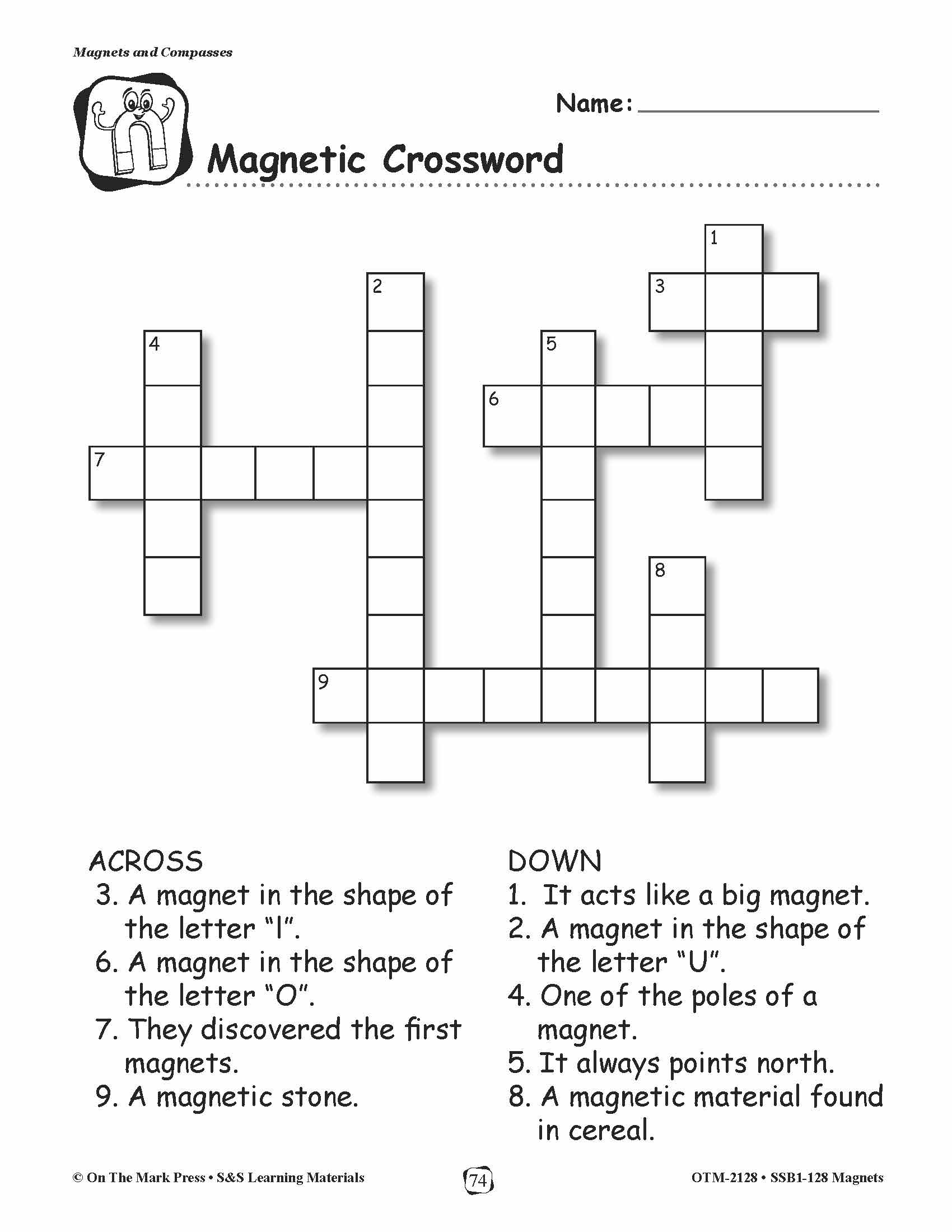
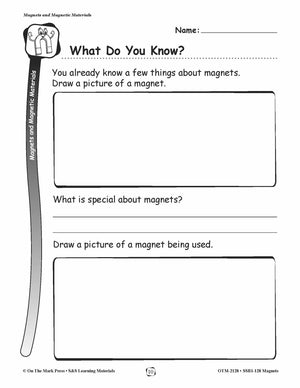
Magnets (Grades 1–3) is a hands-on science resource packed with experiments that help students explore magnetic materials, attraction and repulsion, magnetic poles, fields, and real-world inventions. Activities build inquiry skills through predicting, observing, recording, and concluding.
This resource aligns with all Canadian provincial and territorial science standards, NGSS (1–3 Physical Science), and Common Core literacy skills. Perfect for classrooms, homeschool programs, and STEM centers looking for engaging, curriculum‑aligned magnet investigations.
What is a magnet and how does it work? These simple but fun hands-on activities and experiments will put your students in charge of their own learning as they are given the tools and guidance to discover the fascinating world of physics.
After delving into real-world experiences with magnets and everyday materials like money and compasses, students will apply their new knowledge to build a levitating train and create their own magnetic inventions.
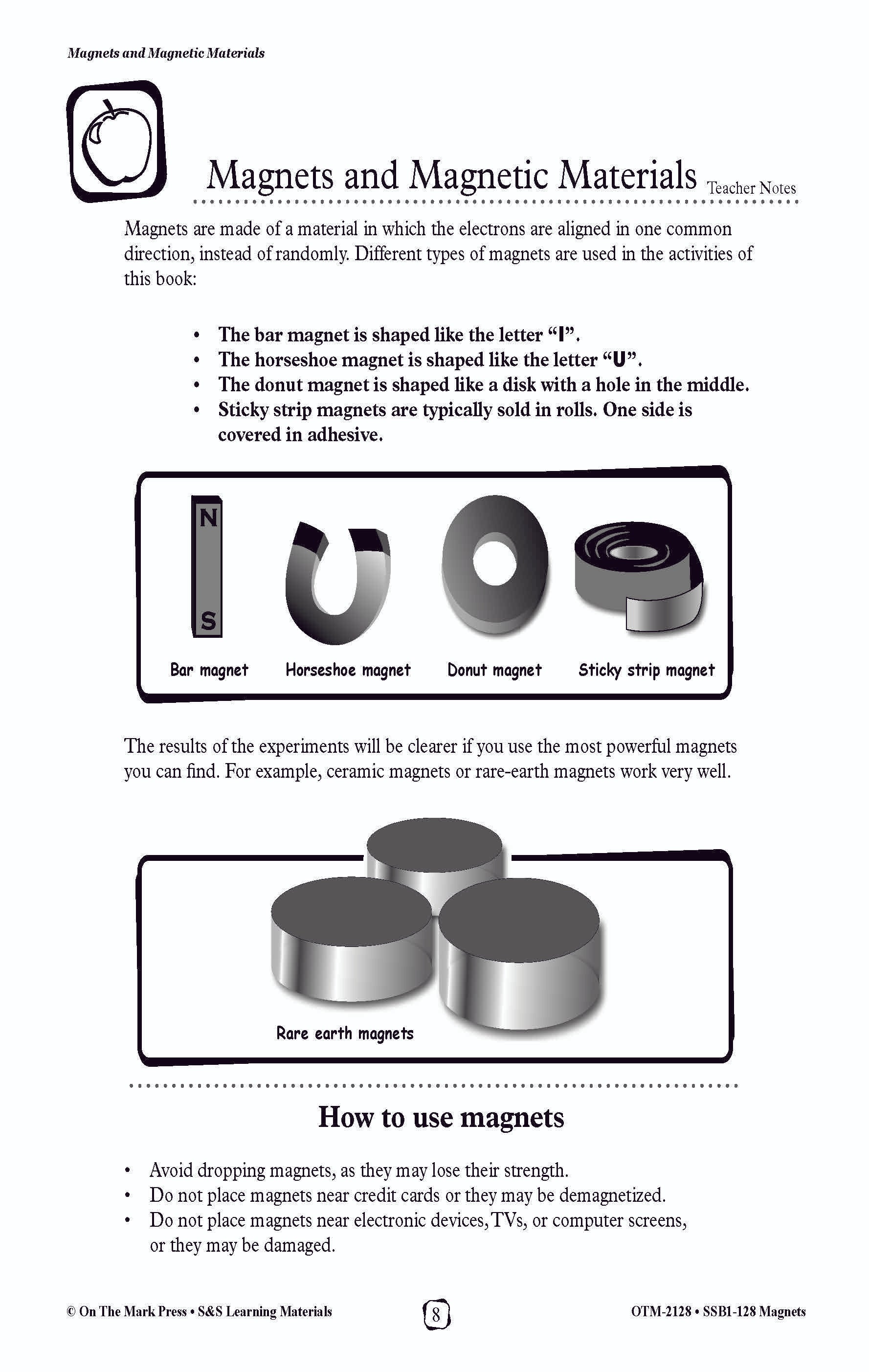
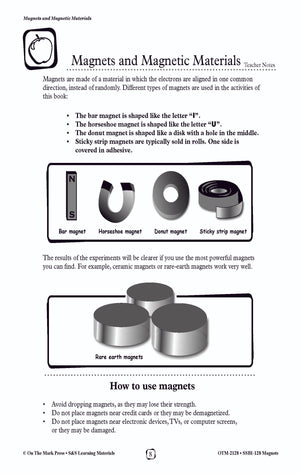
In each section, you will find teacher notes designed to provide you guidance with the materials needed, as well as provide some insight on what results to expect when the experiments are conducted.
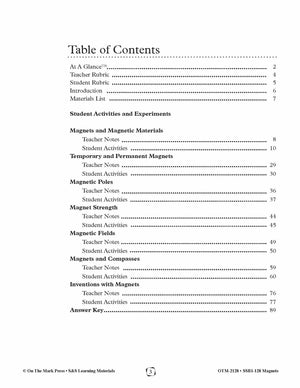
Lessons & Experiment Topics Include:
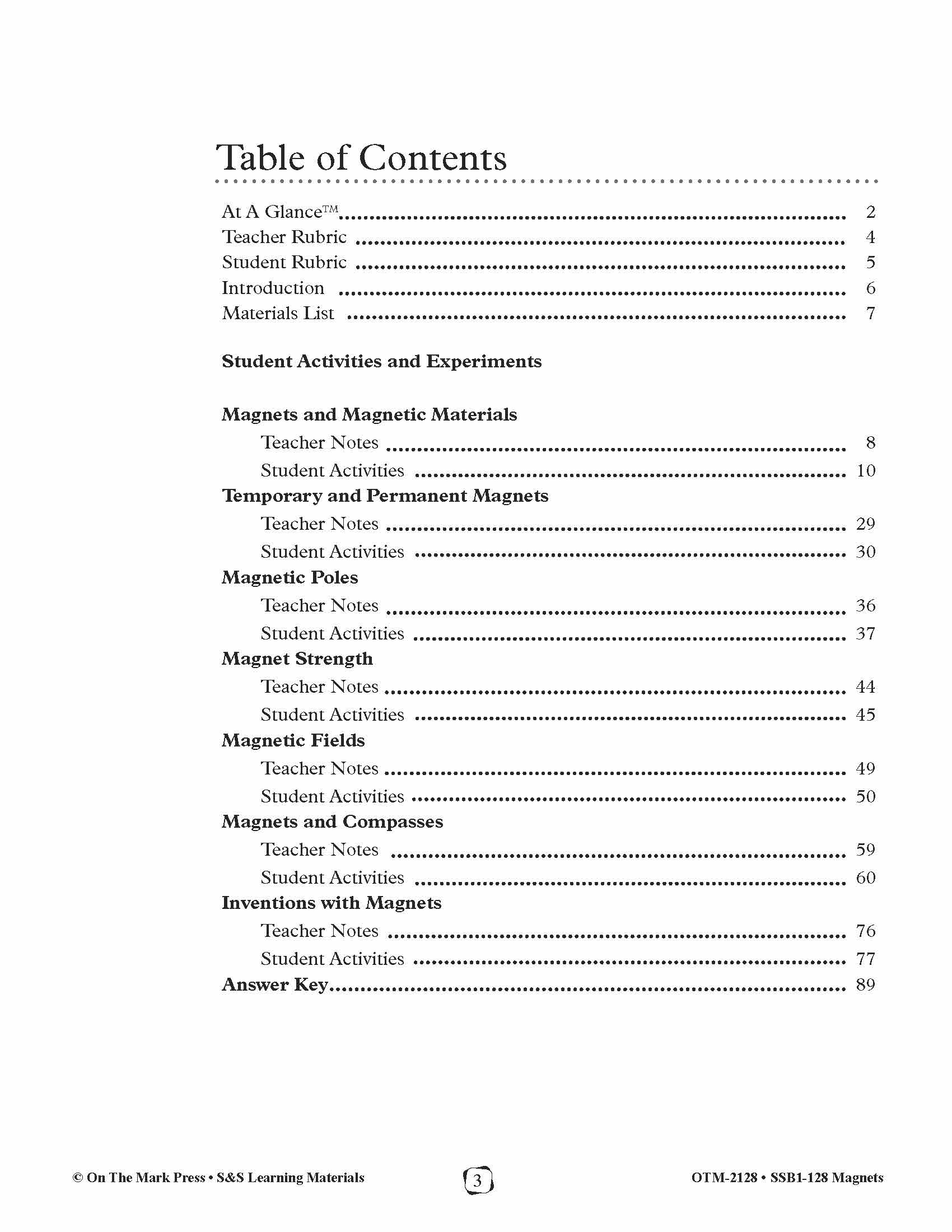
- Magnets and Magnetic Materials
- Temporary and Permanent Magnets
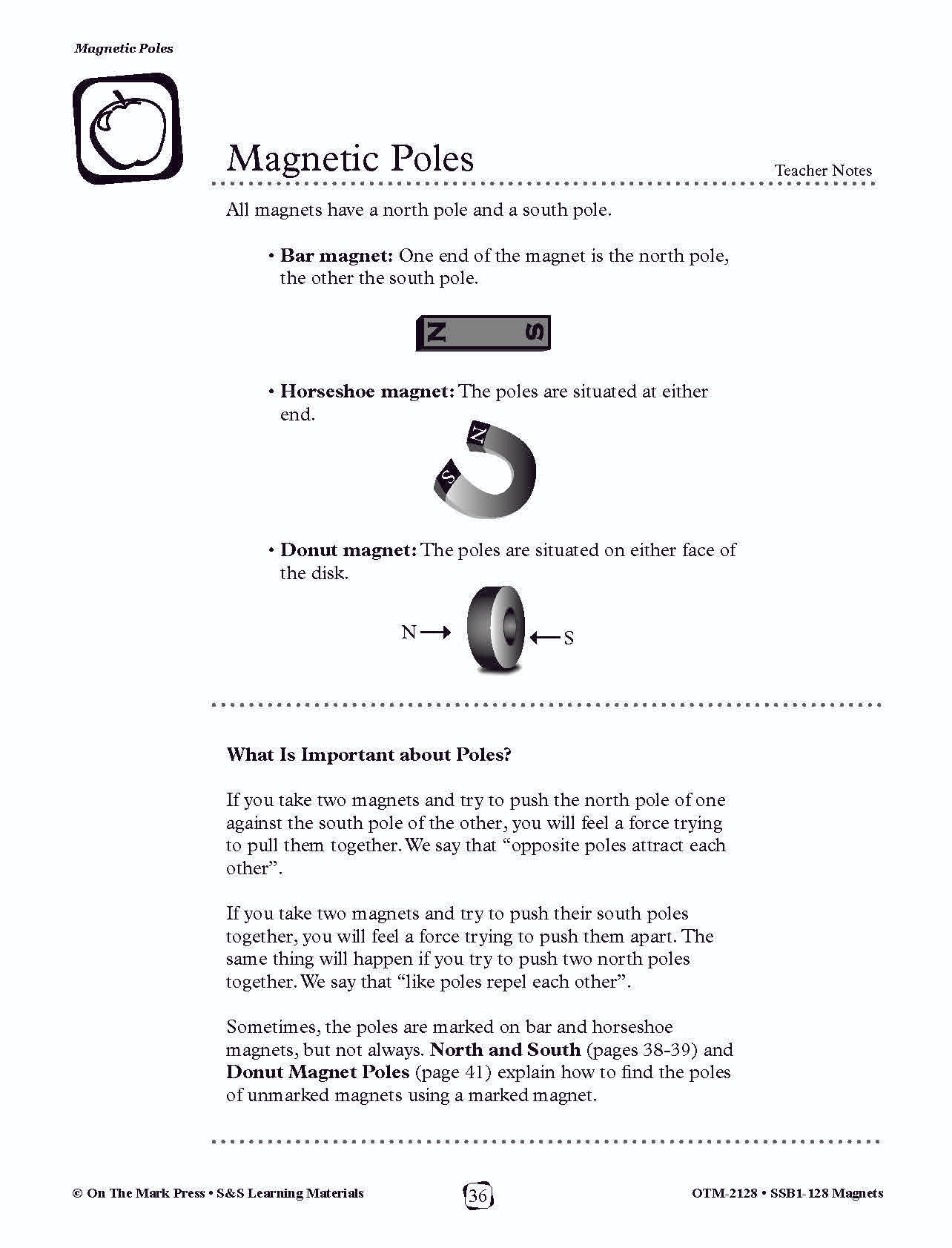
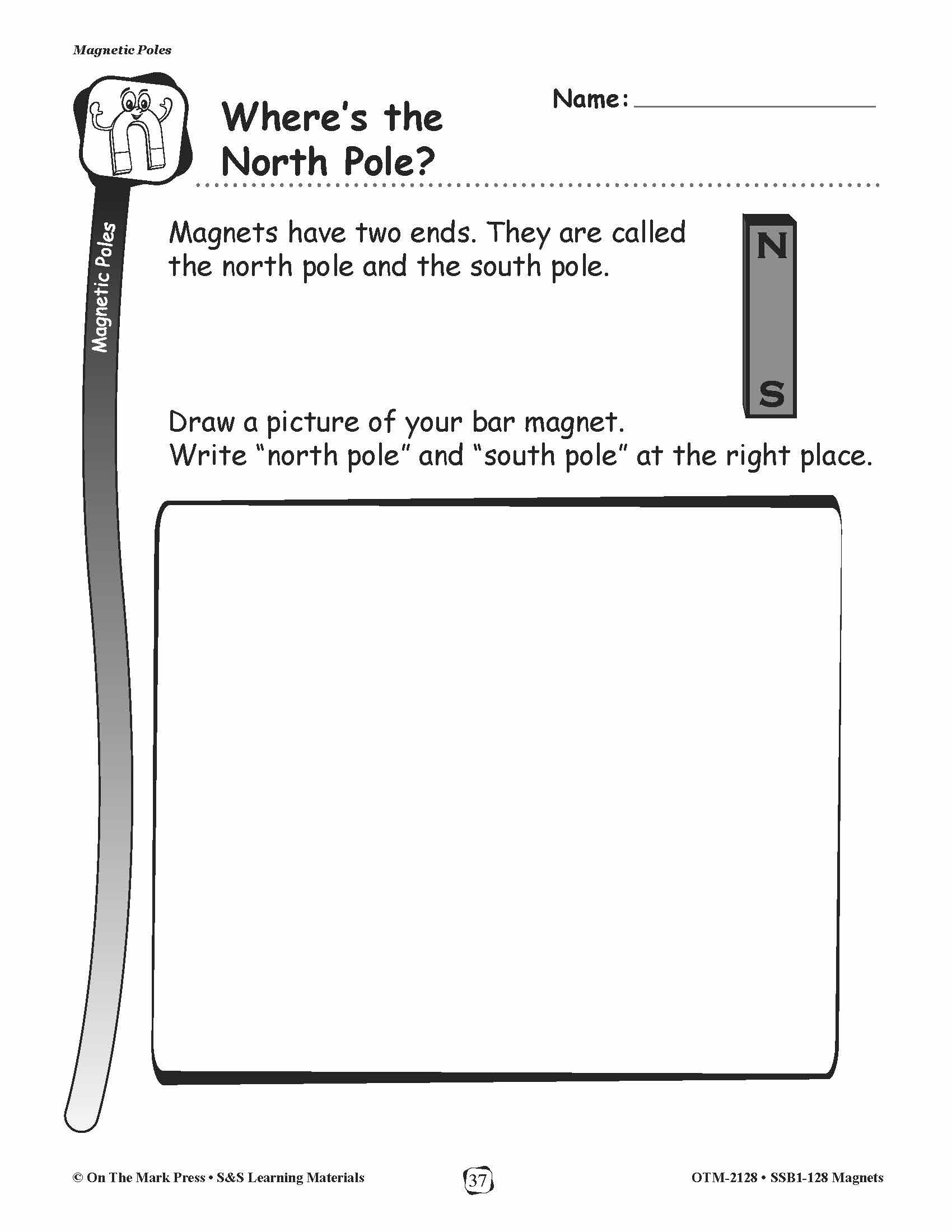
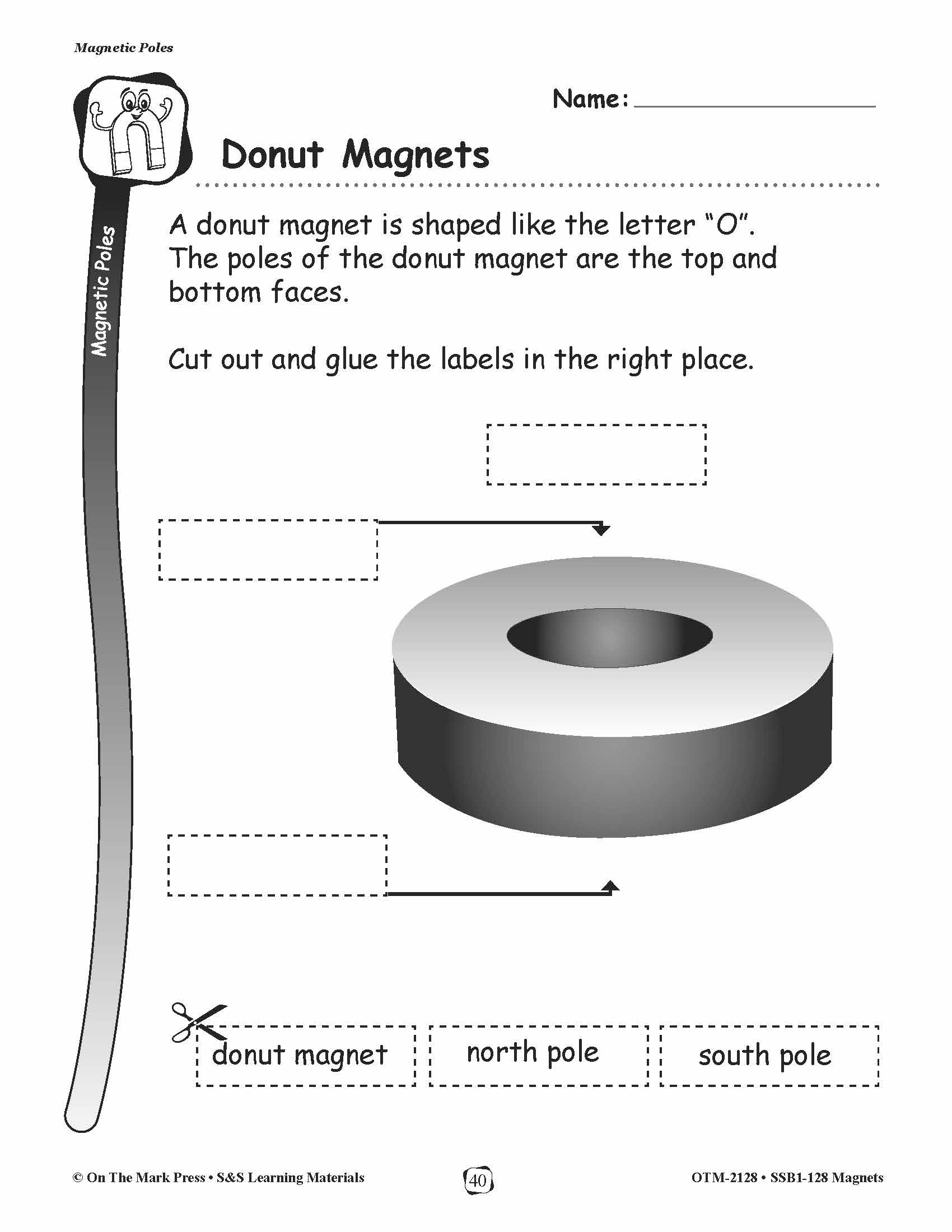
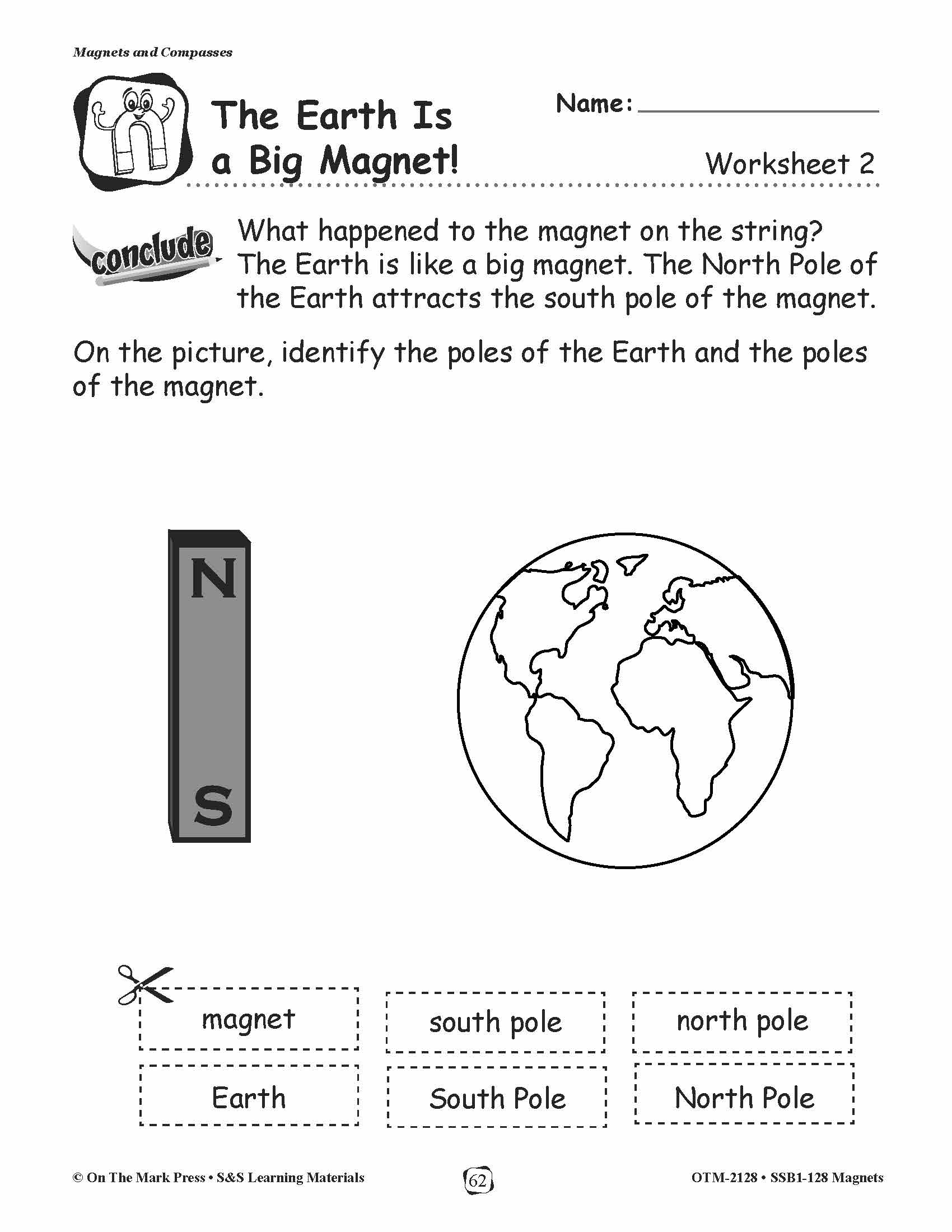
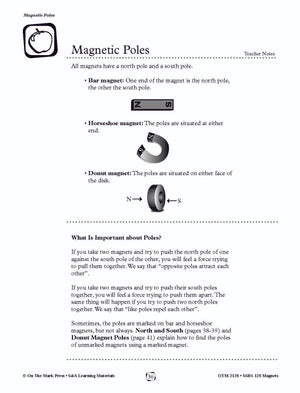
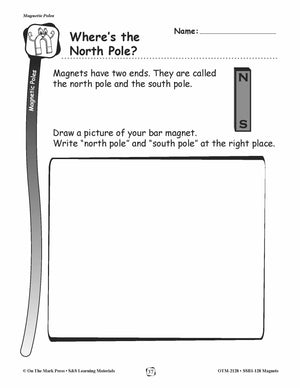
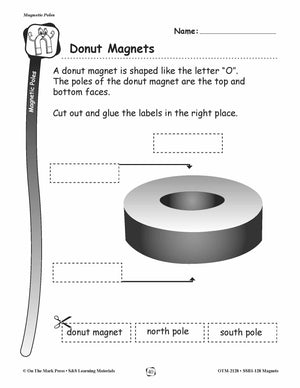
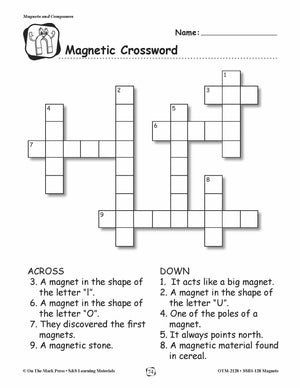
- Magnetic Poles
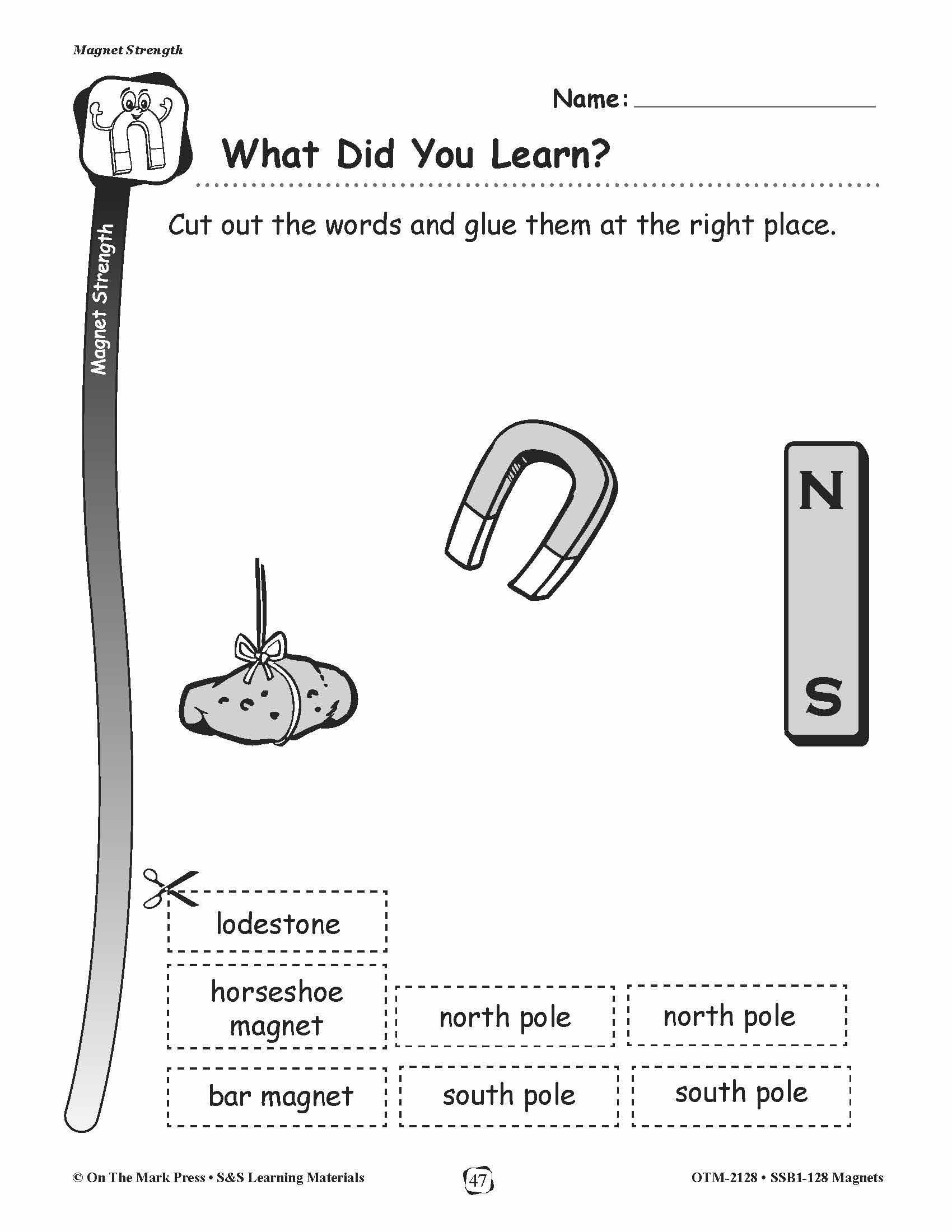
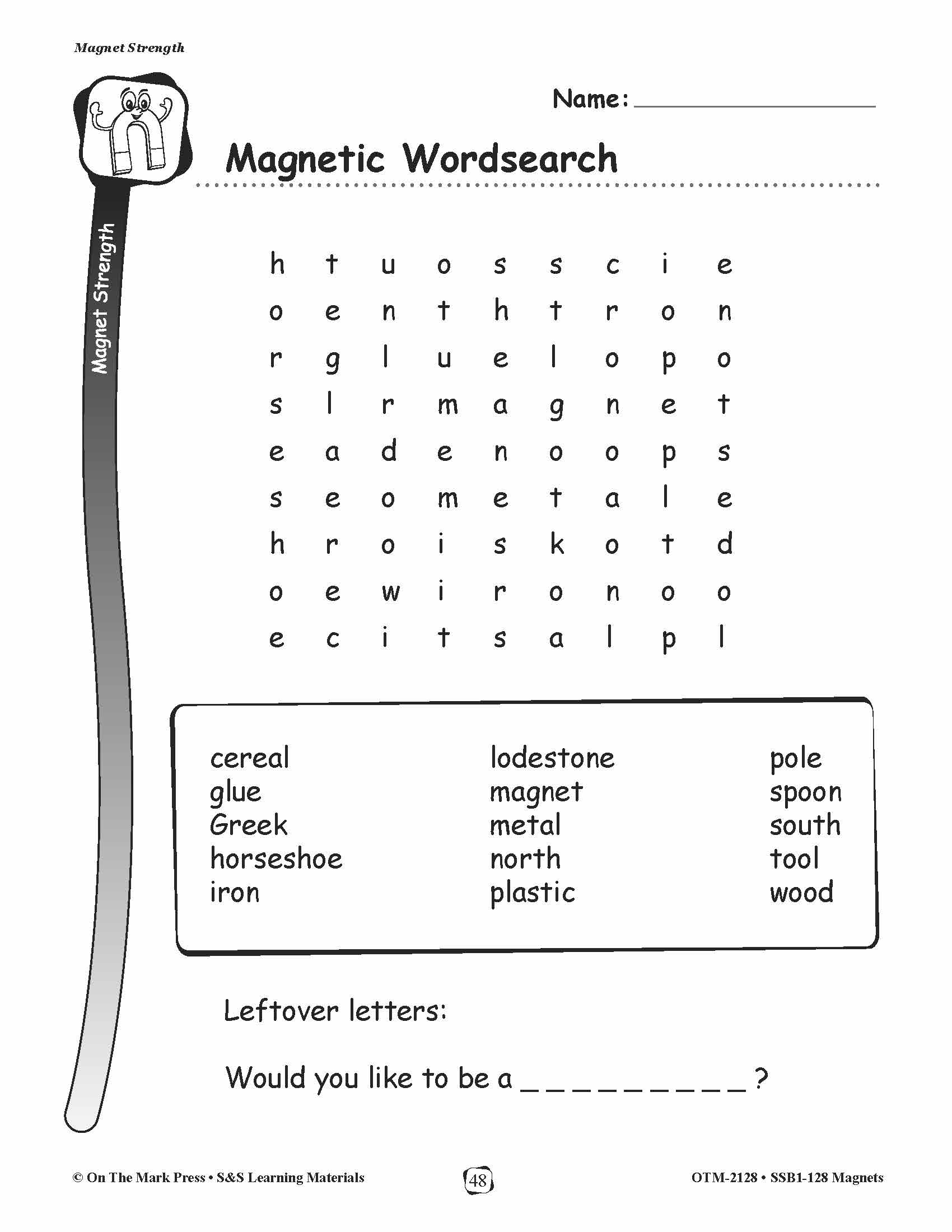
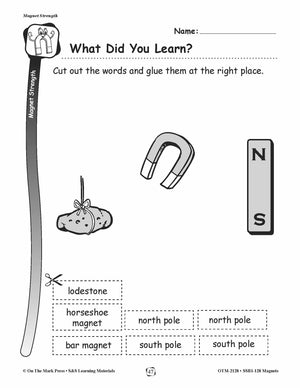
- Magnet Strength
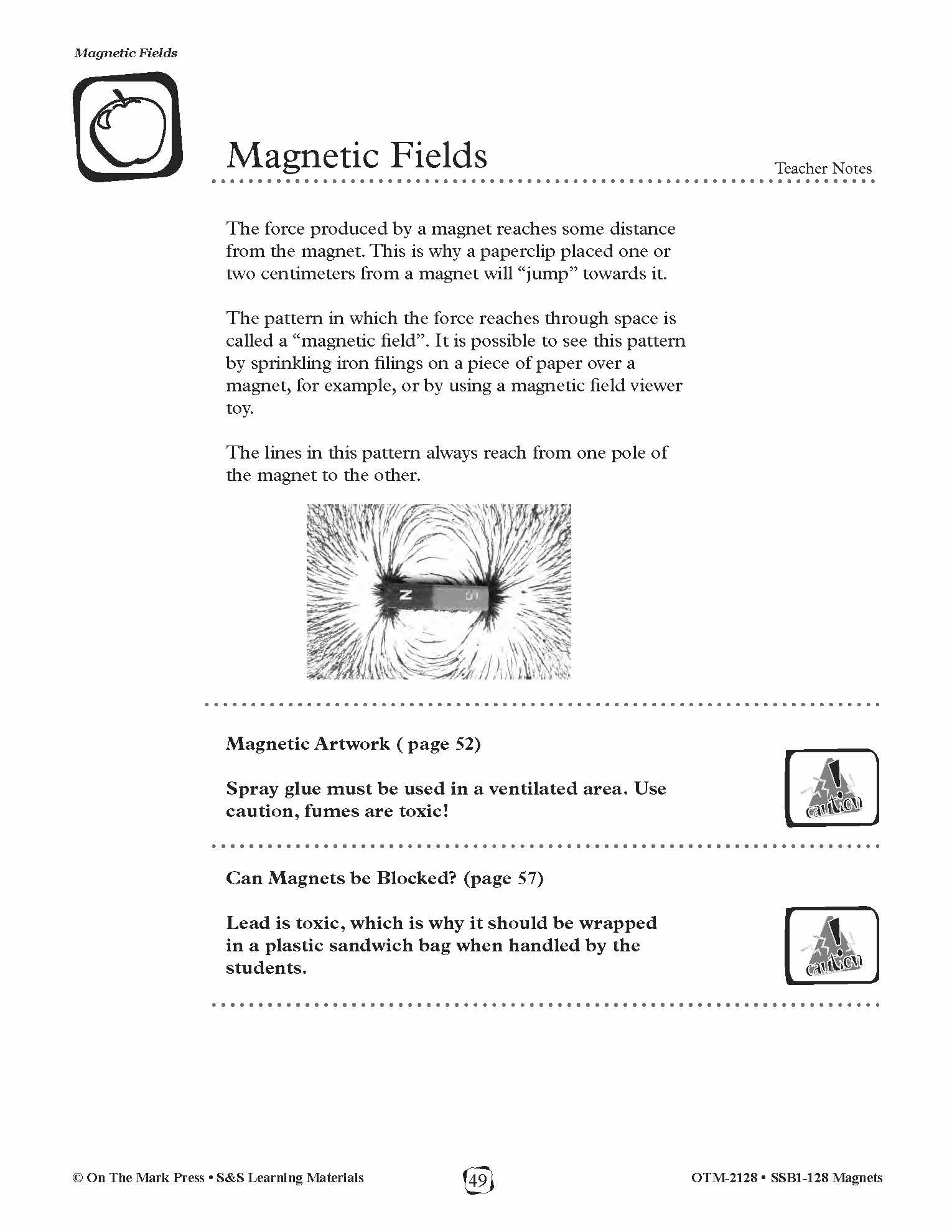
- Magnetic Fields
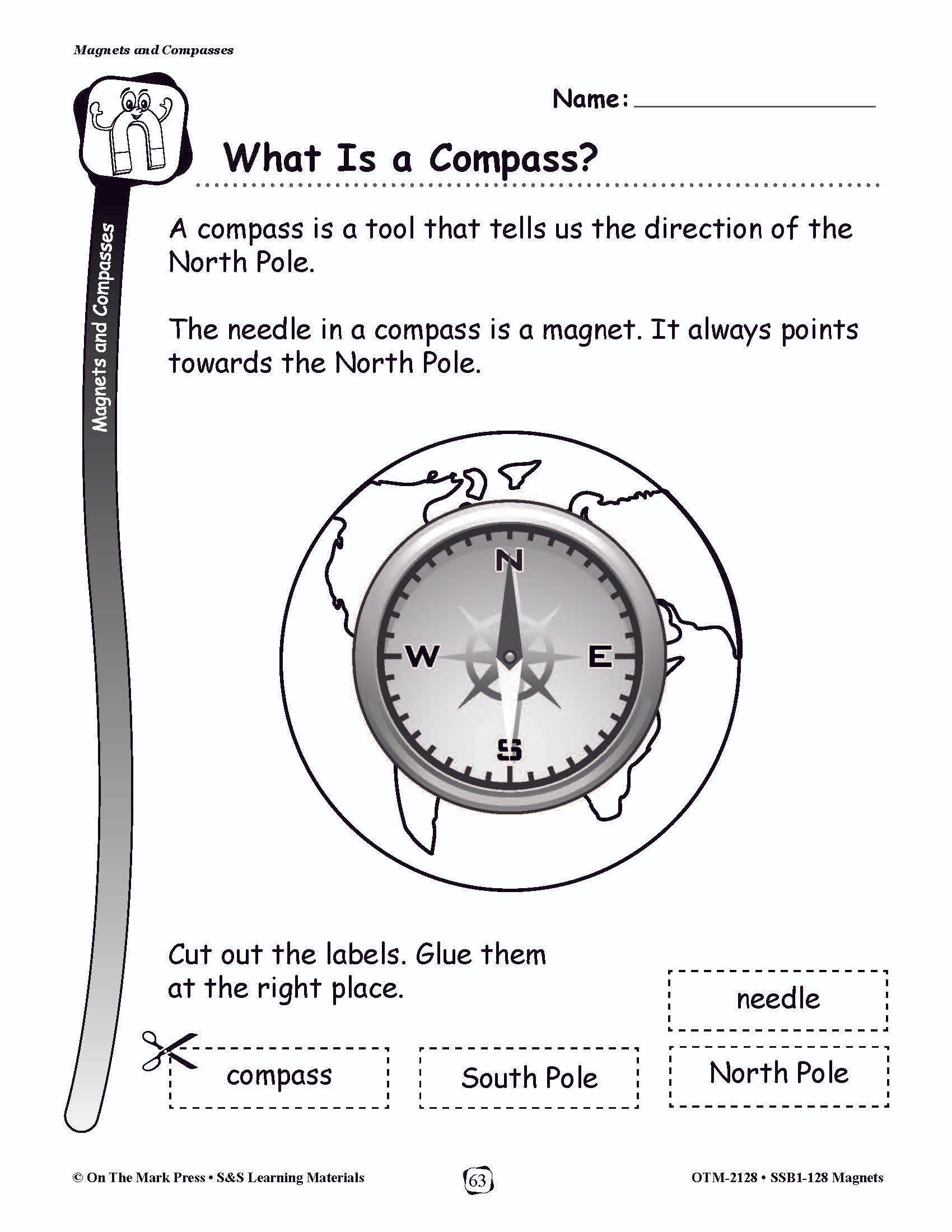
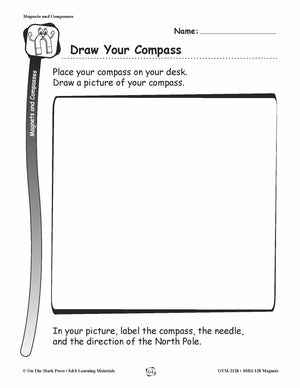
- Magnets and Compasses
- Inventions with Magnets
Core Standards This Resource Meets
Magnets (Grades 1–3) meets curriculum expectations across Canada and the U.S. because it teaches:
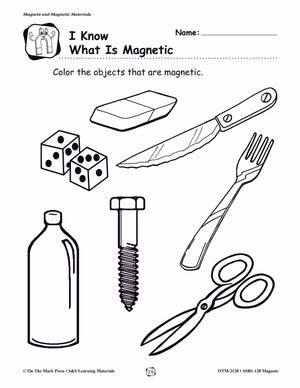
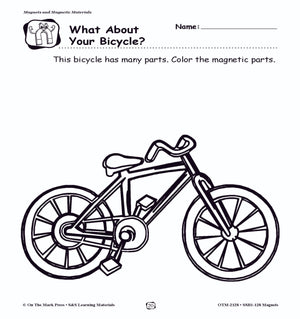
- Properties of materials (magnetic vs. non‑magnetic)
- Forces of attraction and repulsion
- Temporary vs. permanent magnets
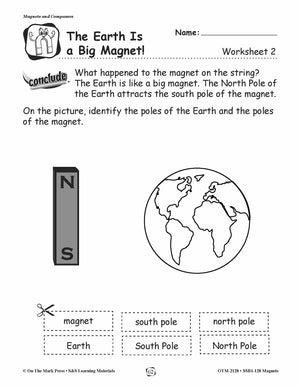
- Magnetic poles
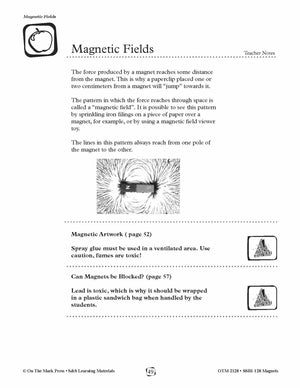
- Magnetic fields and acting distance
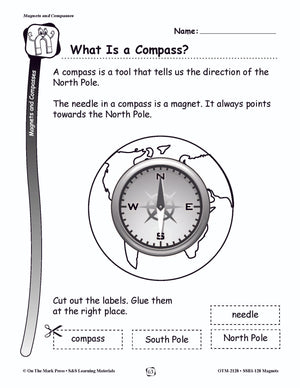
- Use of tools (compass)
- Inquiry skills: predicting, observing, recording, concluding
- Technology connections (magnet inventions)
U.S. Standards Alignment
Common Core (ELA & Math Connections)
While magnetism is not part of CCSS science, the resource meets:
- CCSS.ELA-LITERACY.W.1–3: Recording observations, writing conclusions, labeling diagrams
- CCSS.ELA-LITERACY.SL.1–3: Sharing findings, discussions
- CCSS.MATH.MP.2 & MP.4: Measuring, sorting, classifying, using tables
NGSS (K–3)
Direct matches:
- 1-PS4-2: Use tools to observe unseen forces (magnetic fields)
- 3-PS2-3: Magnetic force as non-contact force
- 3-PS2-4: Predicting magnetic interactions
- K-2 ETS1: Designing solutions (magnet inventions)
Crosscutting concepts:
- Cause & effect
- Structure & function
- Patterns in magnetic attraction/repulsion
Science & Engineering Practices:
- Asking questions
- Planning investigations
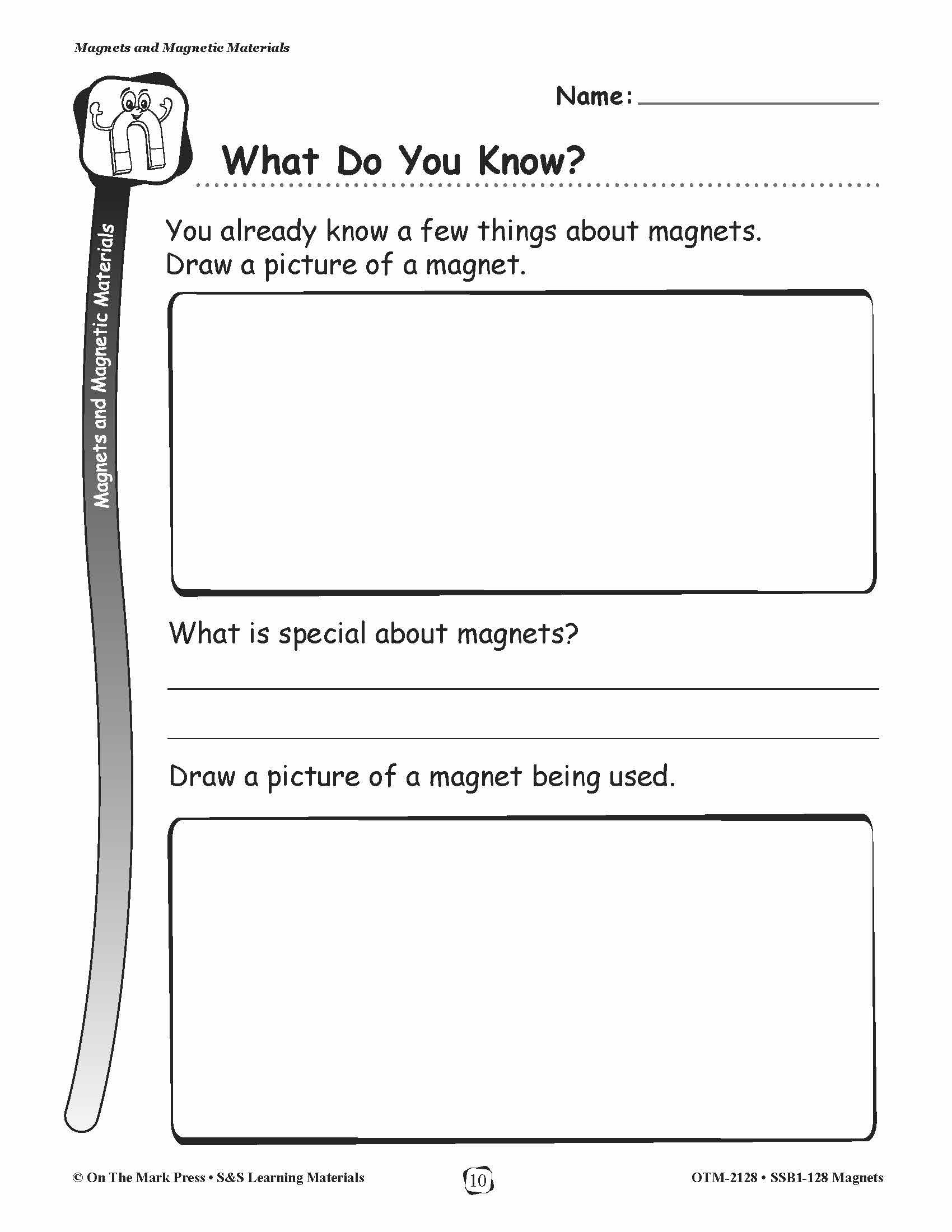
- Recording observations (“Record all the observations of the investigation.”)
- Constructing explanations
- Communicating results
Canadian Curriculum Alignment
Ontario (Grades 1–3 Science & Technology)
- Understanding Matter & Energy:
- Grade 1: Properties of materials; testing objects; observing interactions
- Grade 2: Movement; simple machines; forces
- Grade 3: Forces causing movement; magnetic force as non-contact force
- Skills: Scientific method, predicting, observing, recording, communicating
British Columbia (Grades 1–3 Science)
- Grade 1: Properties of objects; classifying materials
- Grade 2: Forces influence motion
- Grade 3: Invisible forces (magnetism)
- Curricular competencies: questioning, predicting, observing, recording, communicating
Alberta (Grades 1–3 Science)
- Grade 1: Senses, properties of objects
- Grade 2: Hot & Cold; exploring materials
- Grade 3: Science: Magnetism (direct match)
- Inquiry skills throughout
Saskatchewan
- Physical Science: Forces & Magnetism (K–3)
- Inquiry: Predicting, observing, recording, communicating
Manitoba
- Cluster 3: Forces & Simple Machines (magnetism included)
- Scientific inquiry skills
Quebec
- Competency: To explore; To understand material world
- Concepts: Properties of materials; forces; magnetism
Nova Scotia
- Grades P–3: Properties of materials; forces; magnetism
- Inquiry & problem-solving
New Brunswick
- K–3 Physical Science: Forces; properties of materials
- Inquiry & communication
Prince Edward Island
- K–3: Forces; materials; magnetism
- Scientific literacy & inquiry
Newfoundland & Labrador
- Primary Science: Forces; materials; magnetism
- Inquiry process
Yukon / NWT / Nunavut
(Use BC/Alberta frameworks)
- Properties of materials
- Forces & magnetism
- Inquiry competencies