
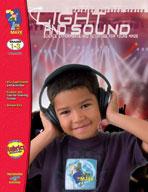
Light and Sound Lessons and Experiments Grades 1-3
EBOTM2127
$26.99 CAD
Additional information:
- Author : Deslauriers, Isabel/Riddols, T
Teach foundational physics with Light and Sound—a Grades 1–3 resource packed with experiments on light sources, shadows, reflection, absorption, sound travel, pitch, intensity, echoes, and human hearing. Students practice predicting, observing, recording, and concluding using the scientific method. Aligned to Canadian provincial/territorial science standards, Common Core ELA, and NGSS (1‑PS4, 2‑PS4, 3‑PS). Ideal for classrooms, STEM centers, and inquiry‑based learning.
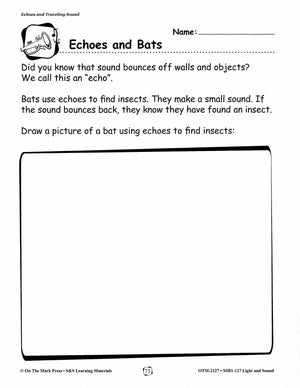
Experiments with laser beams and hands-on models will delight students as they learn about light. Practical activities with music, hand made telephones, and model ears will instill a love for learning science in students while teaching the basics of sound. Activities are curriculum-based and also include highly motivational experiences - like playing tag using echolocation, just like bats.
In each section, you will find teacher notes designed to provide guidance on the materials and setup needed, as well as highlight any safety precautions.
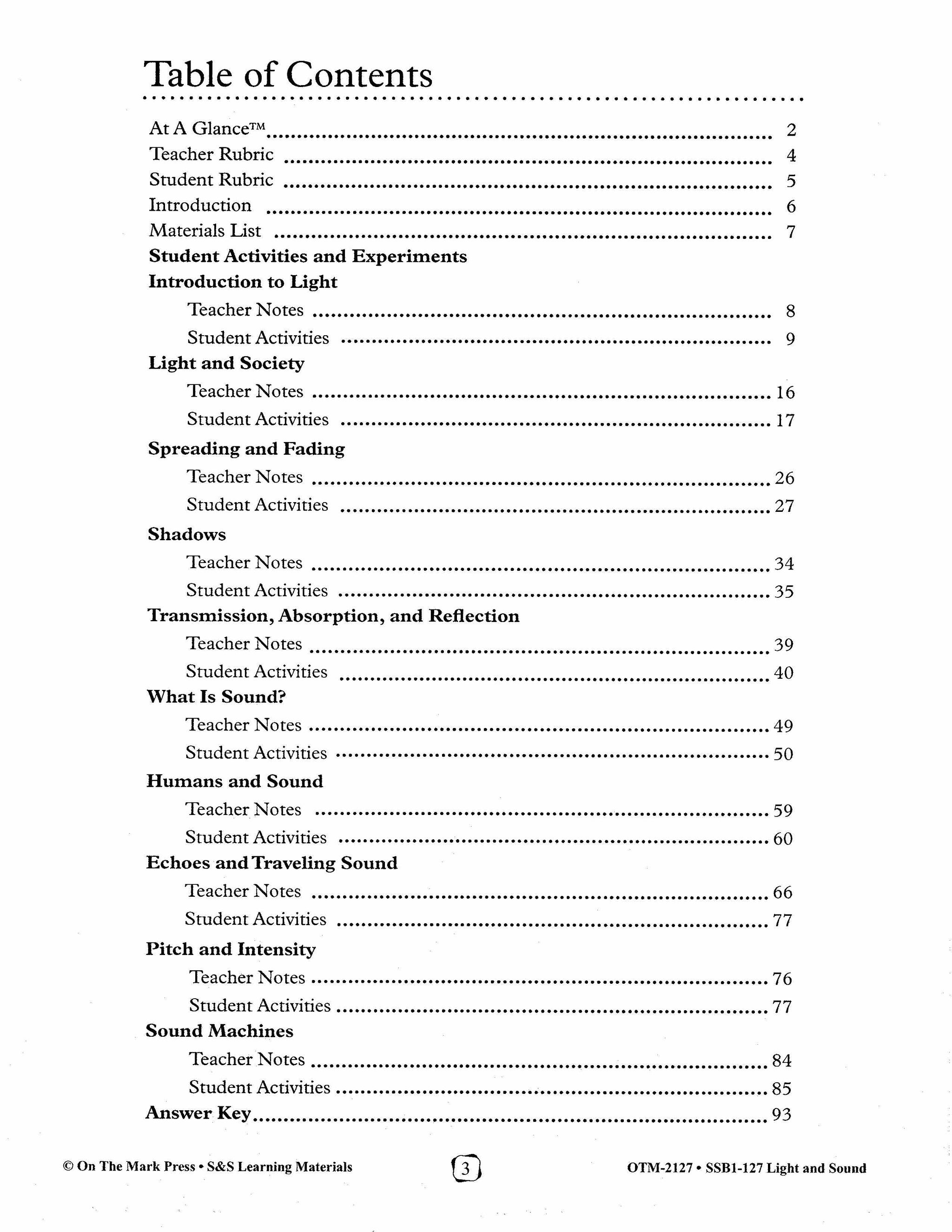
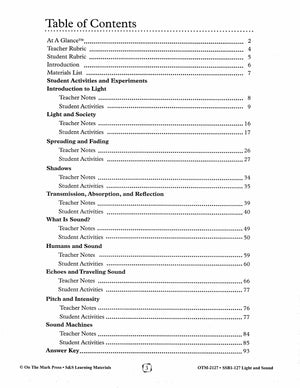
Lesson & Experiment Topics Include:
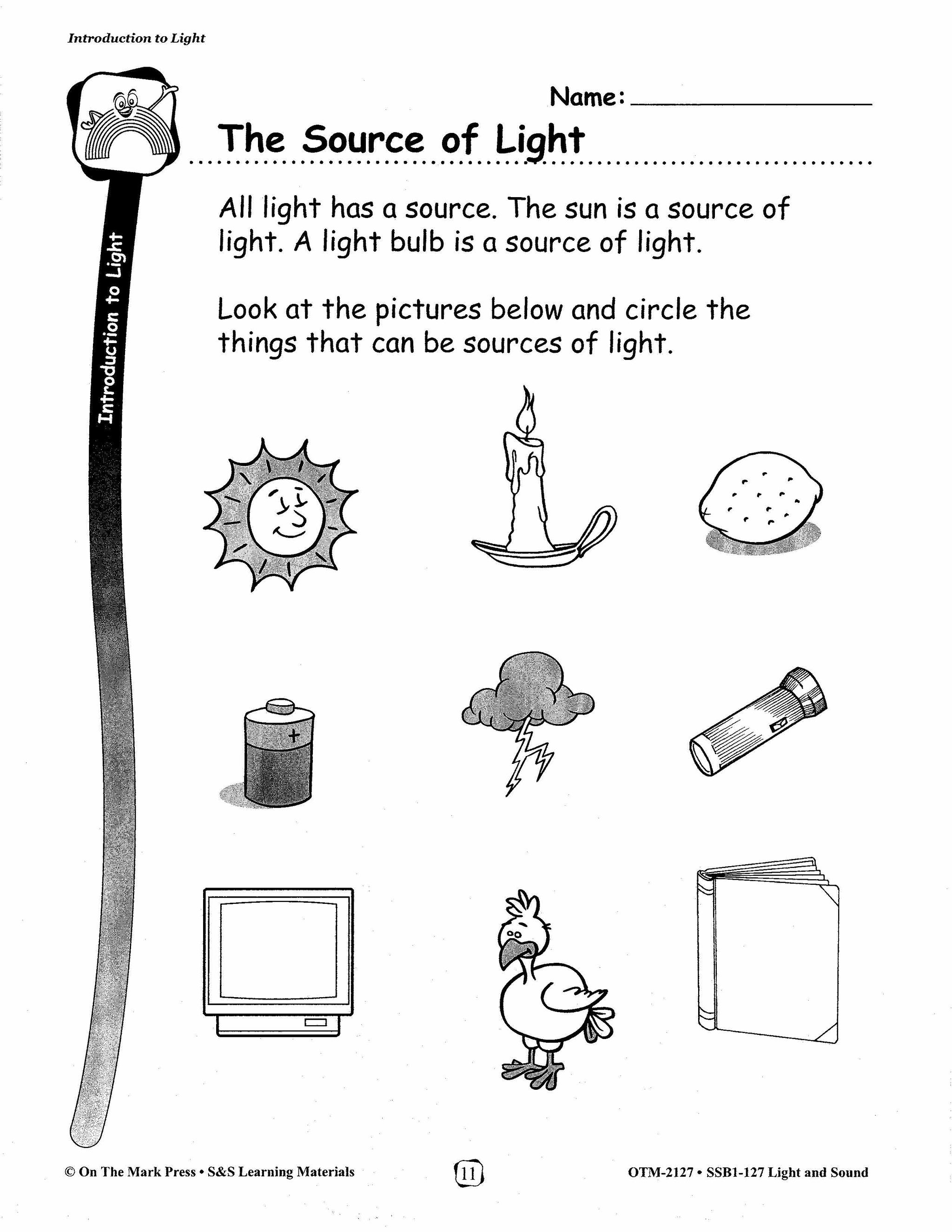
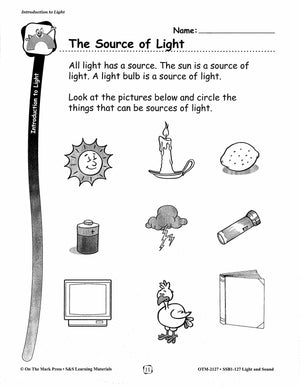
- Introduction to Light
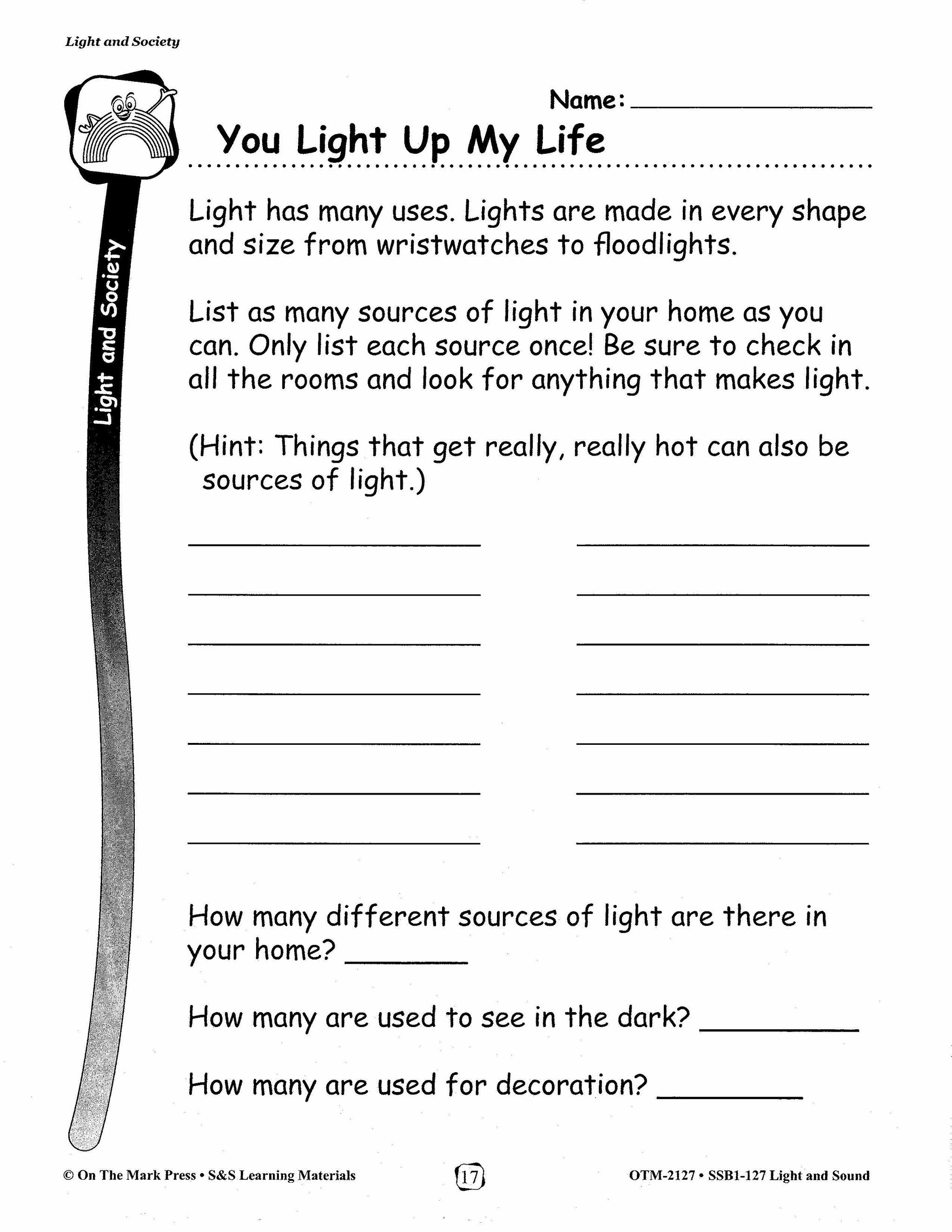
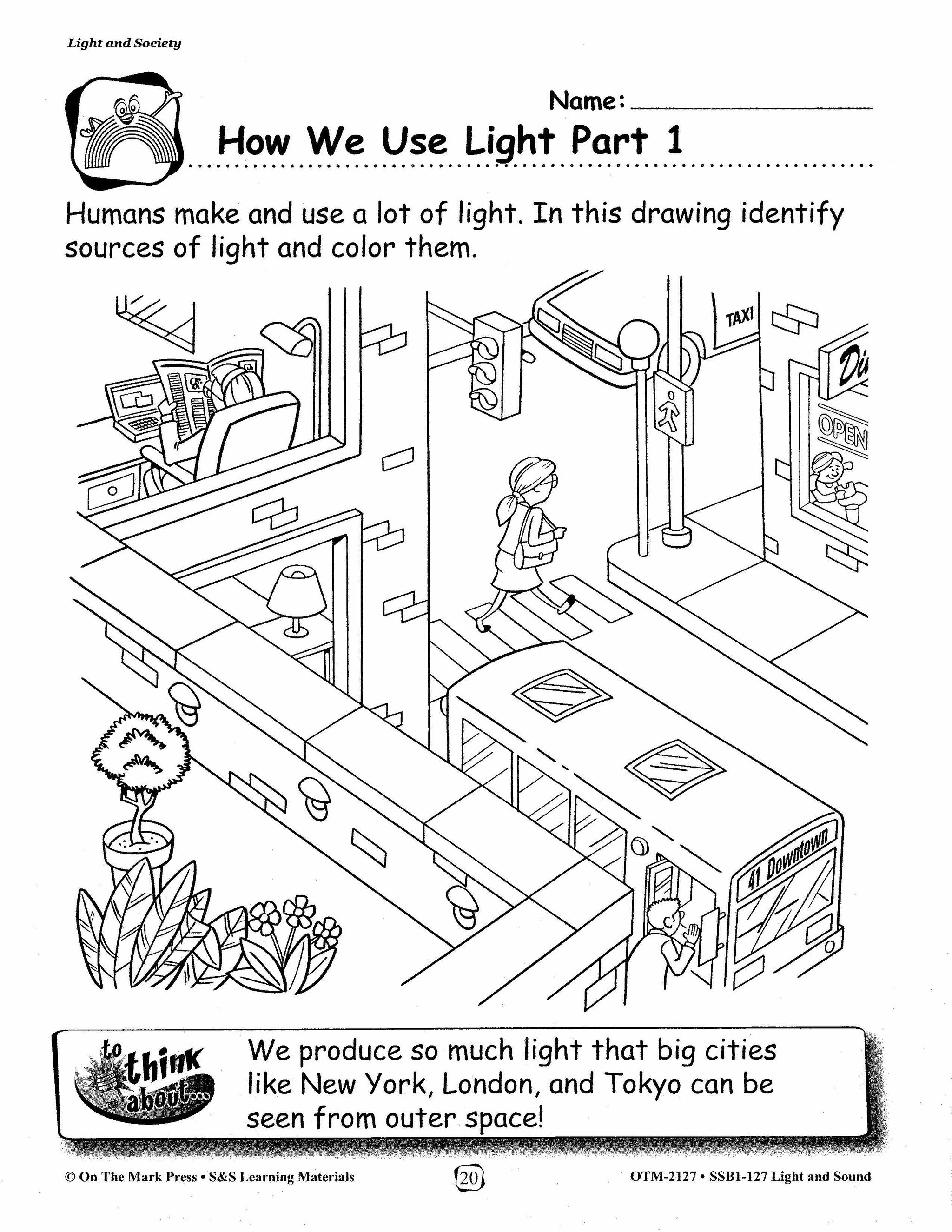
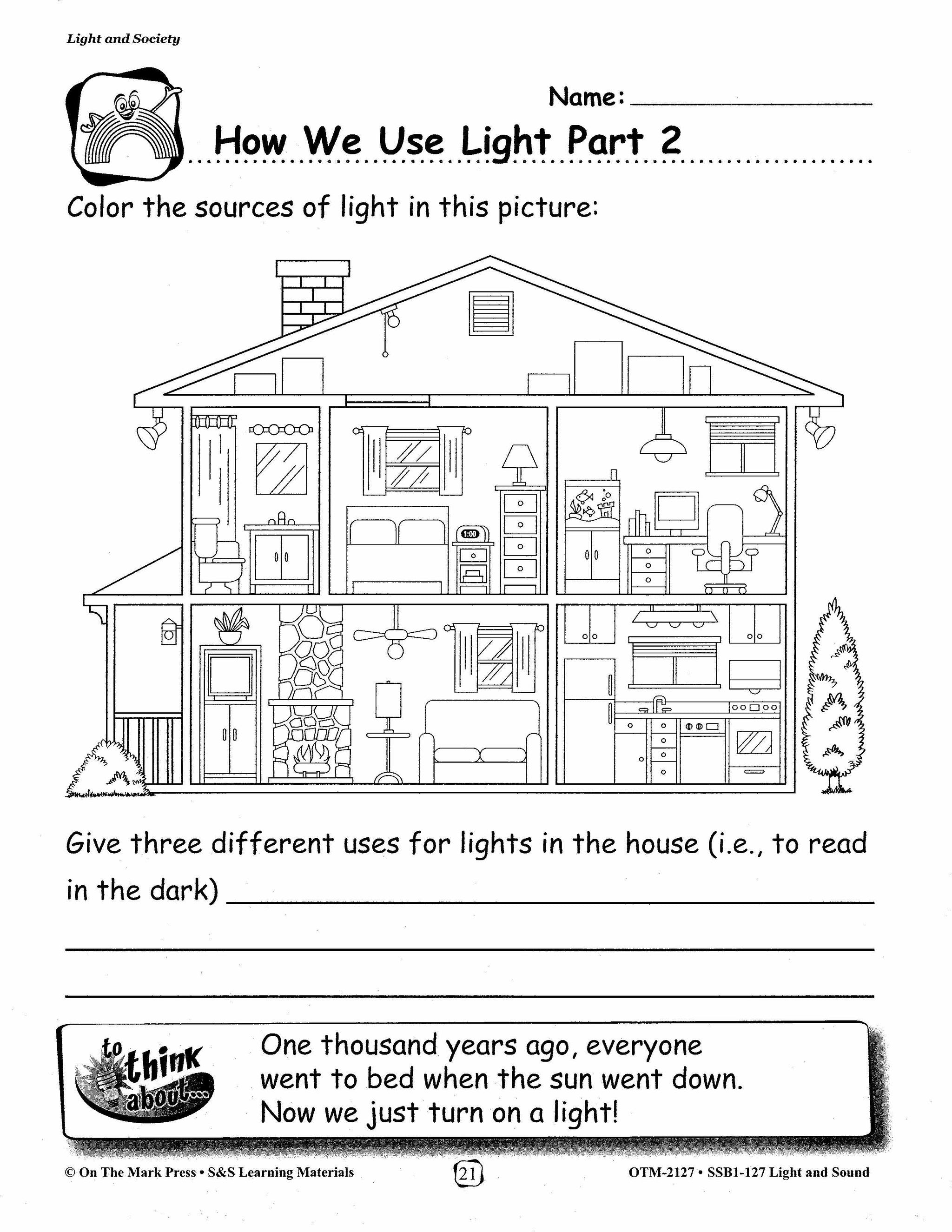
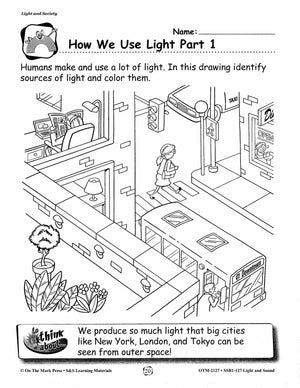
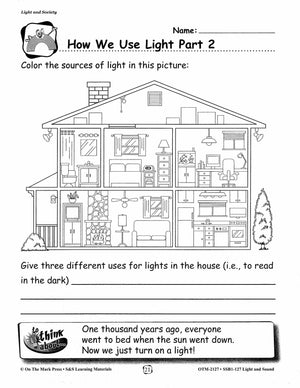
- Light and Society
- Spreading and Fading
- Shadows
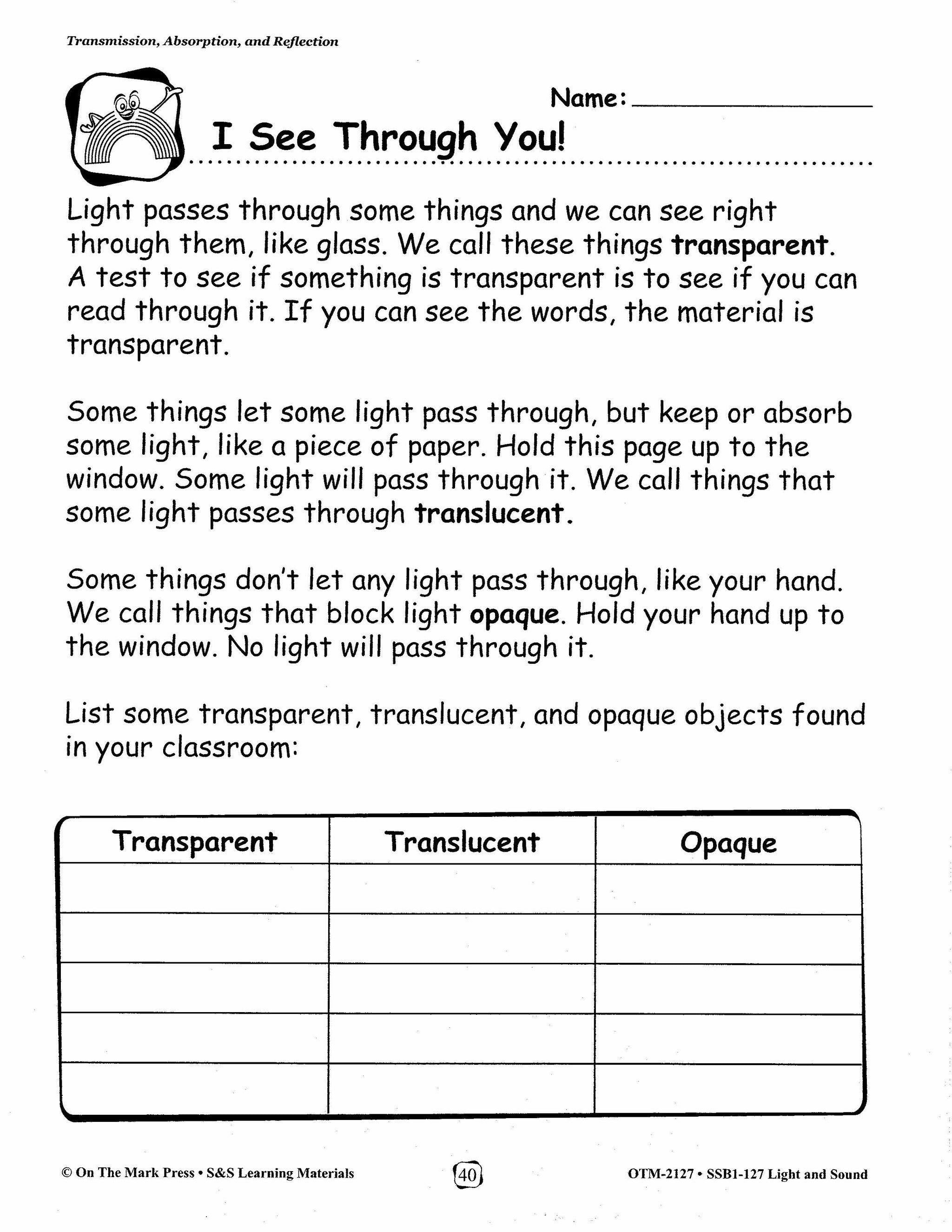
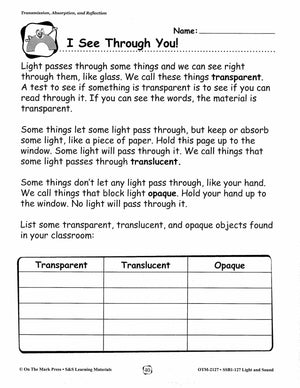
- Transmission, Absorption, and Reflection
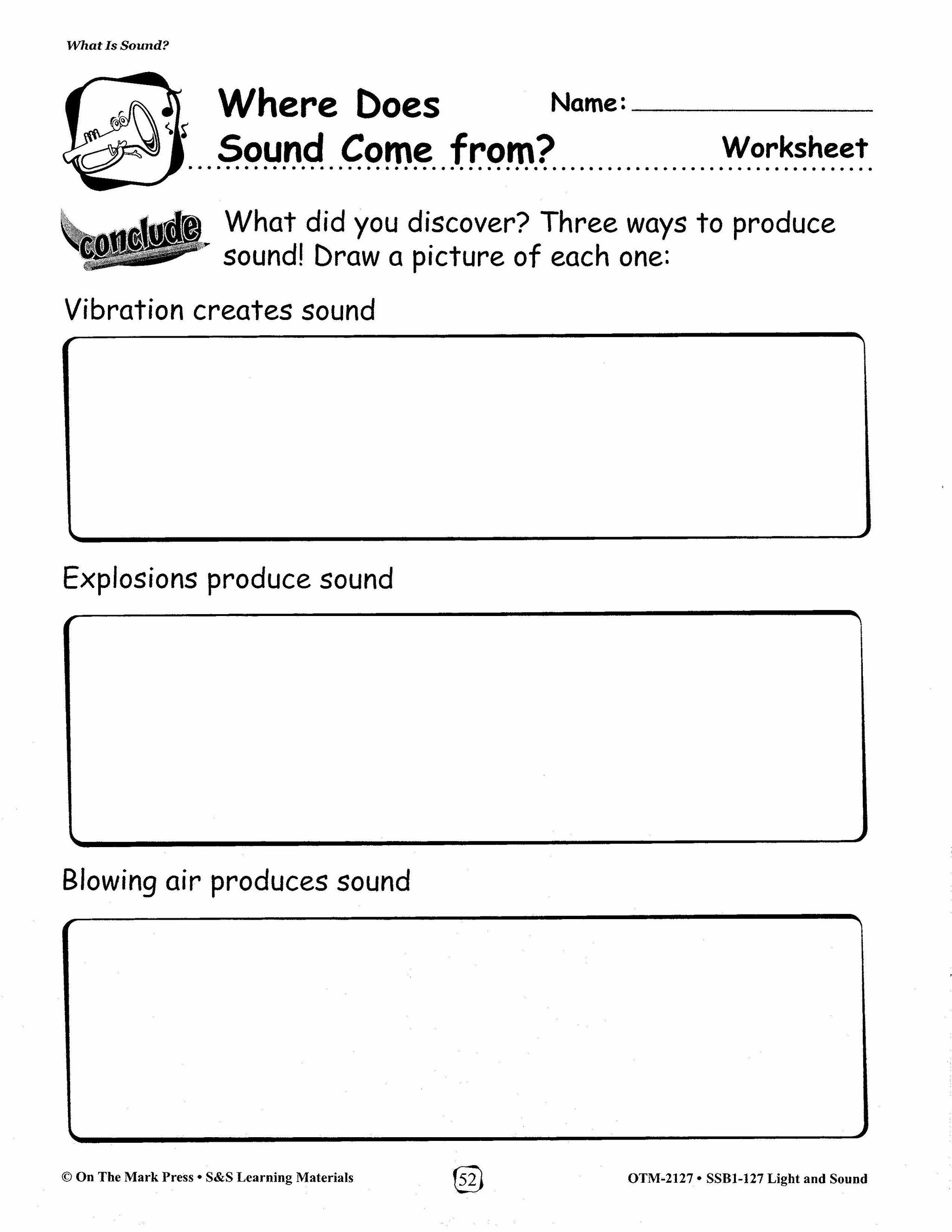
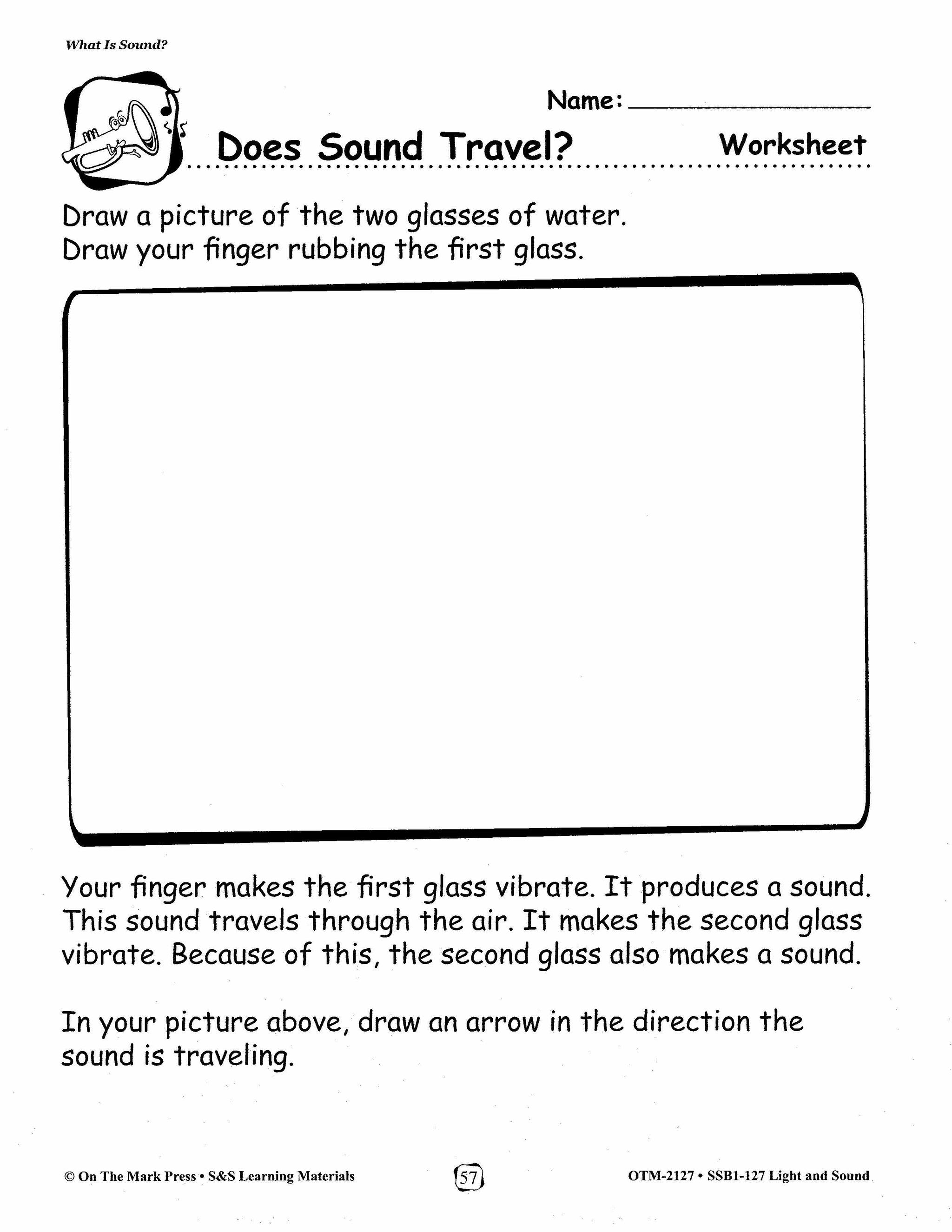
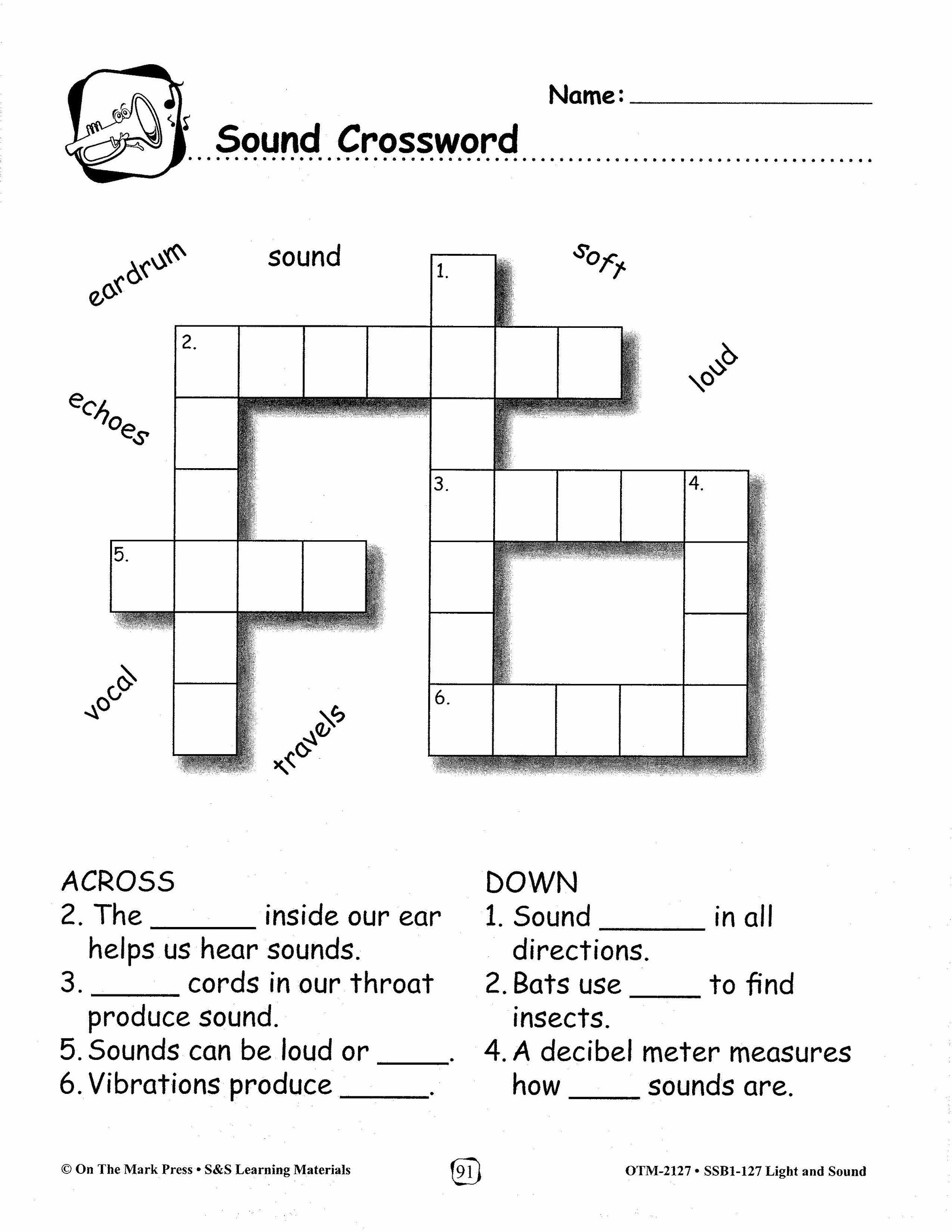
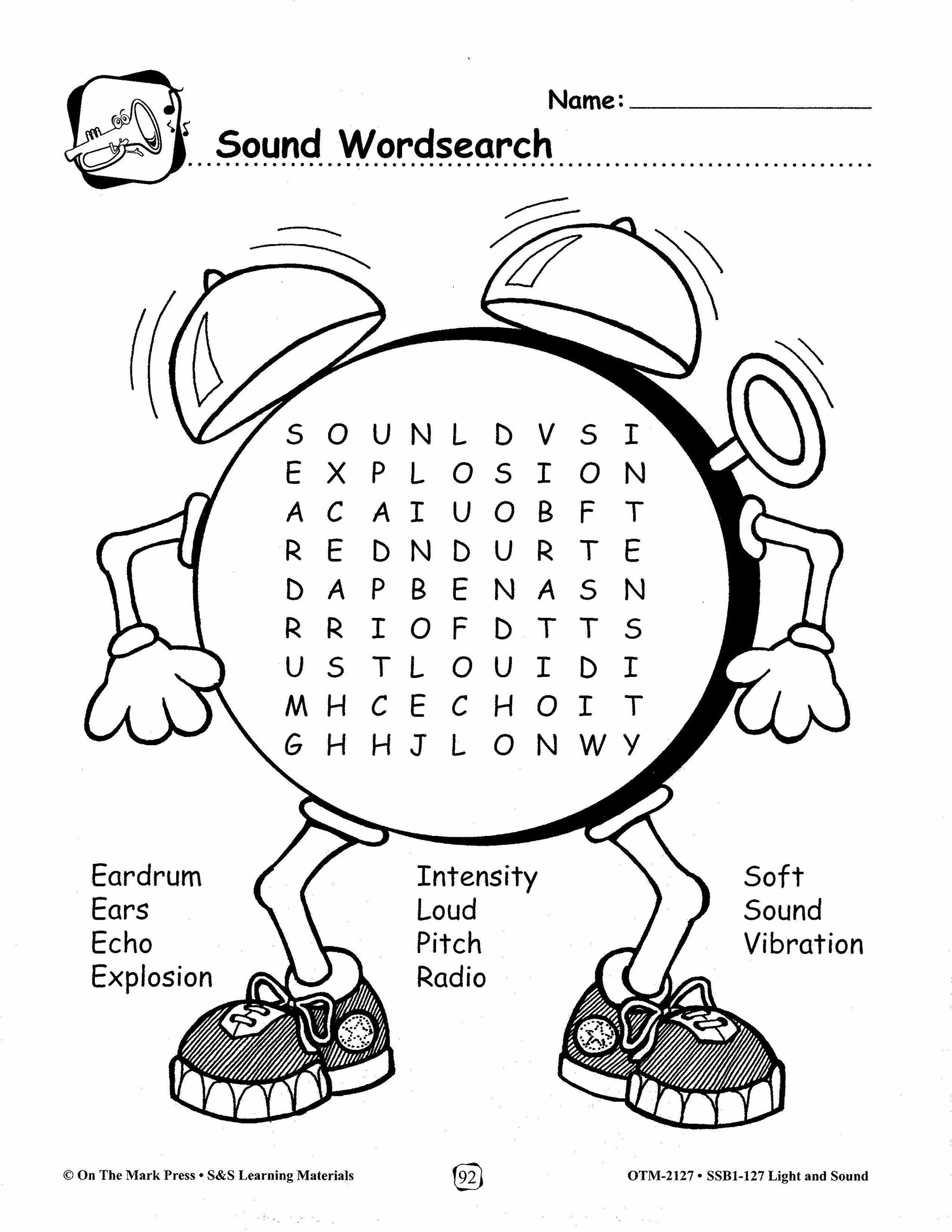
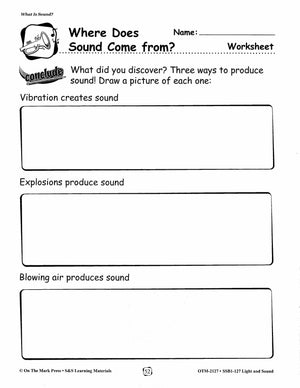
- What Is Sound?
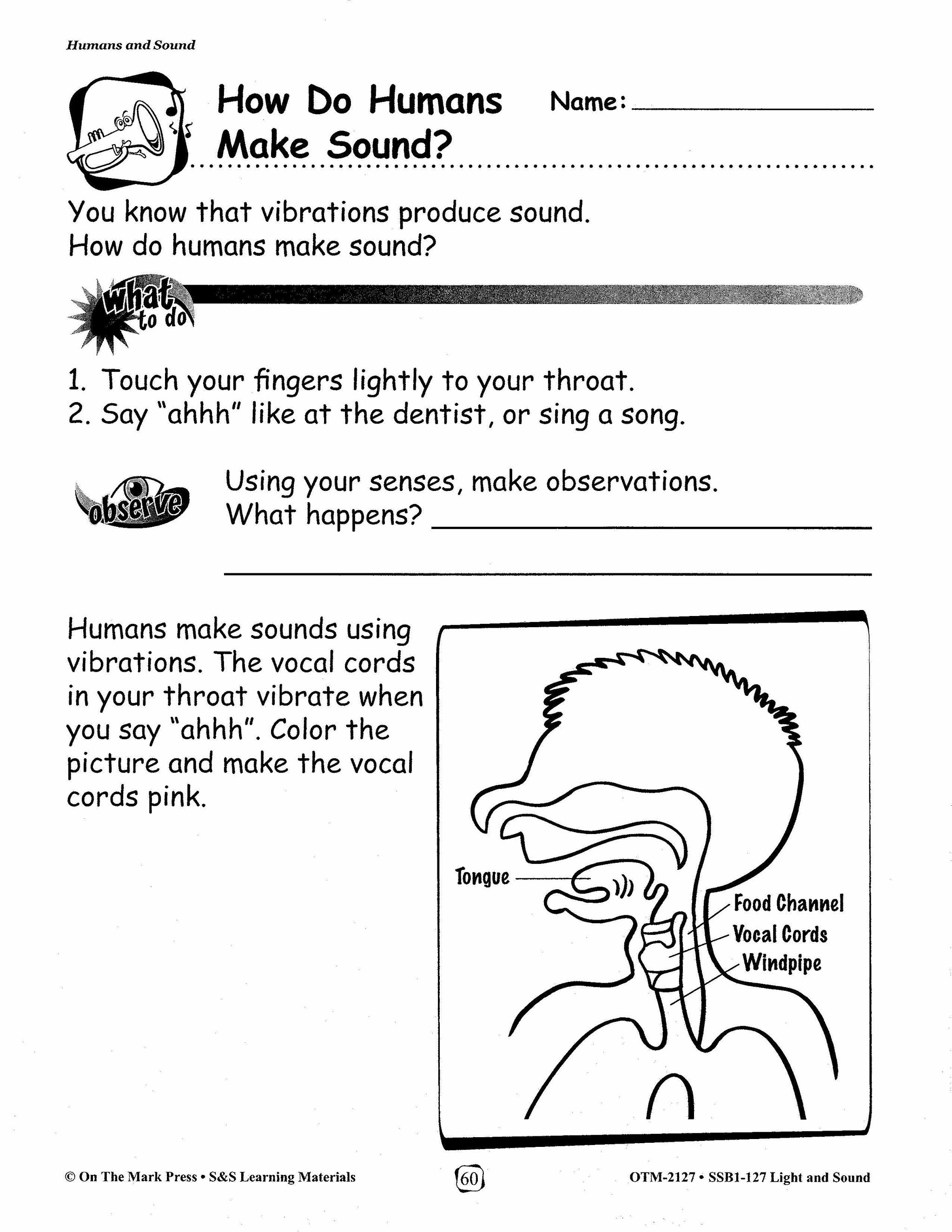
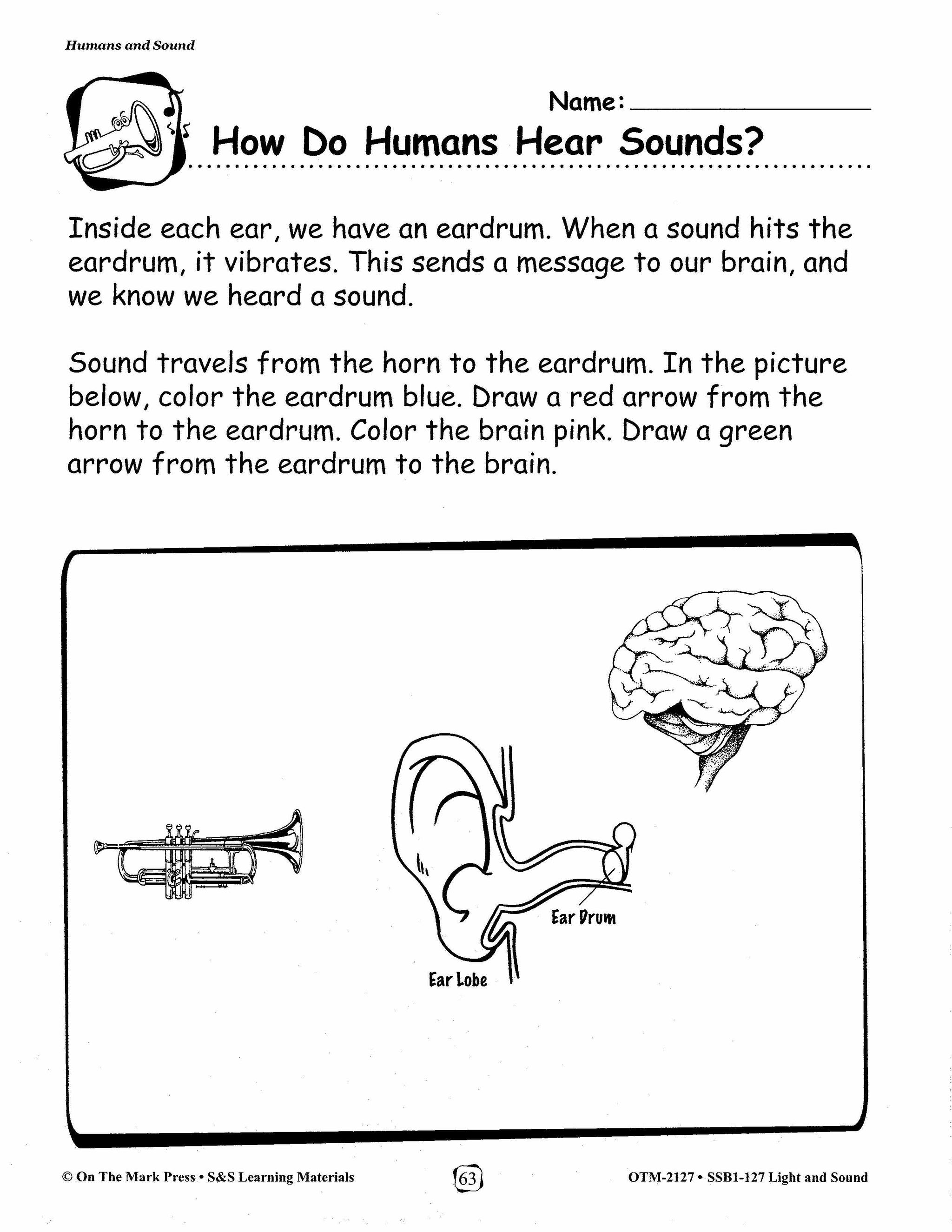
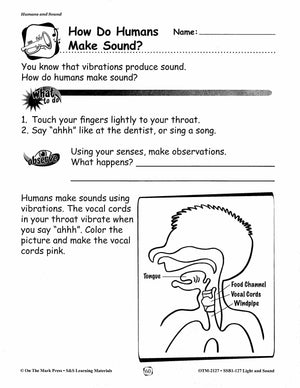
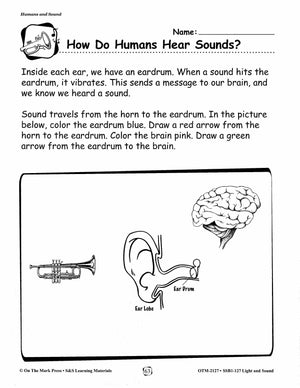
- Humans and Sound
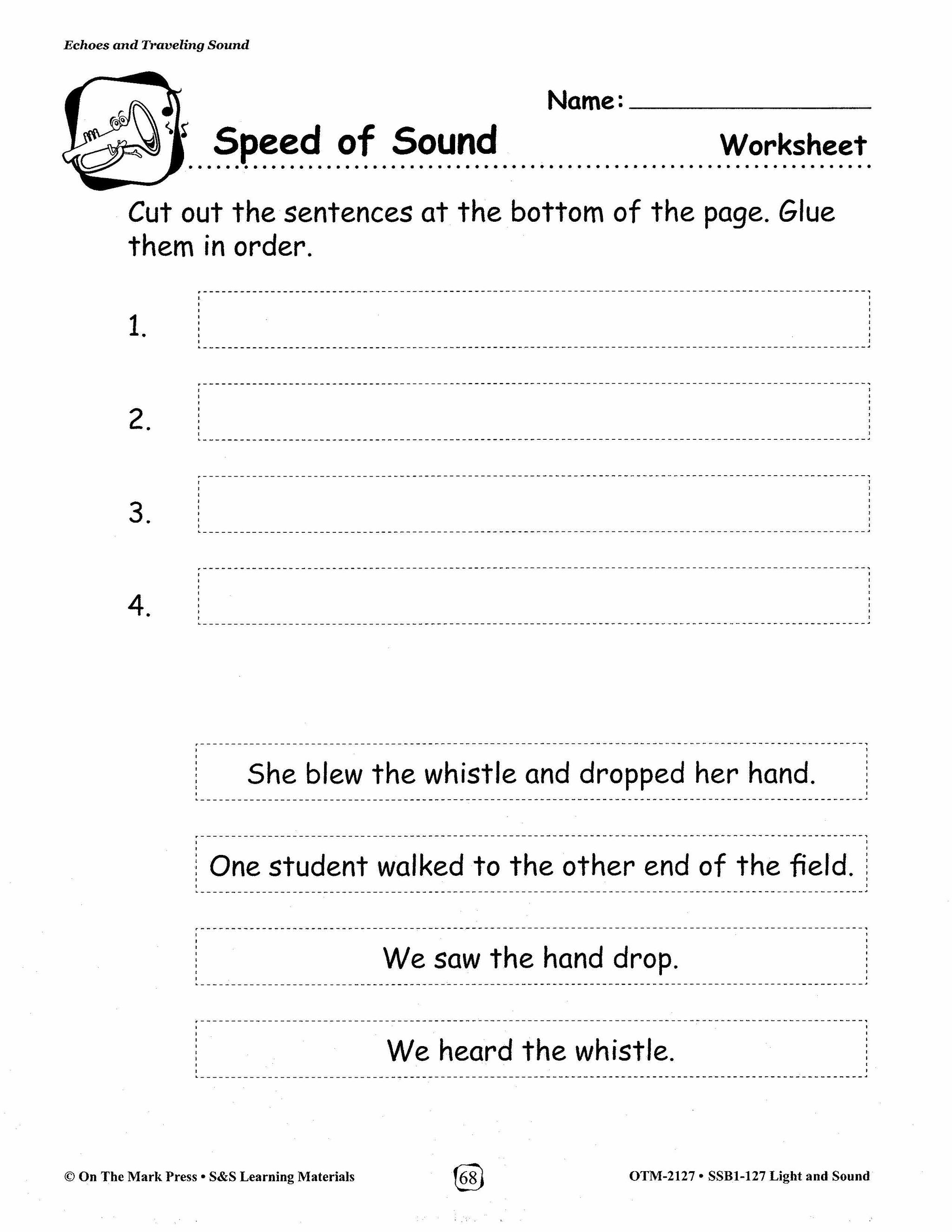
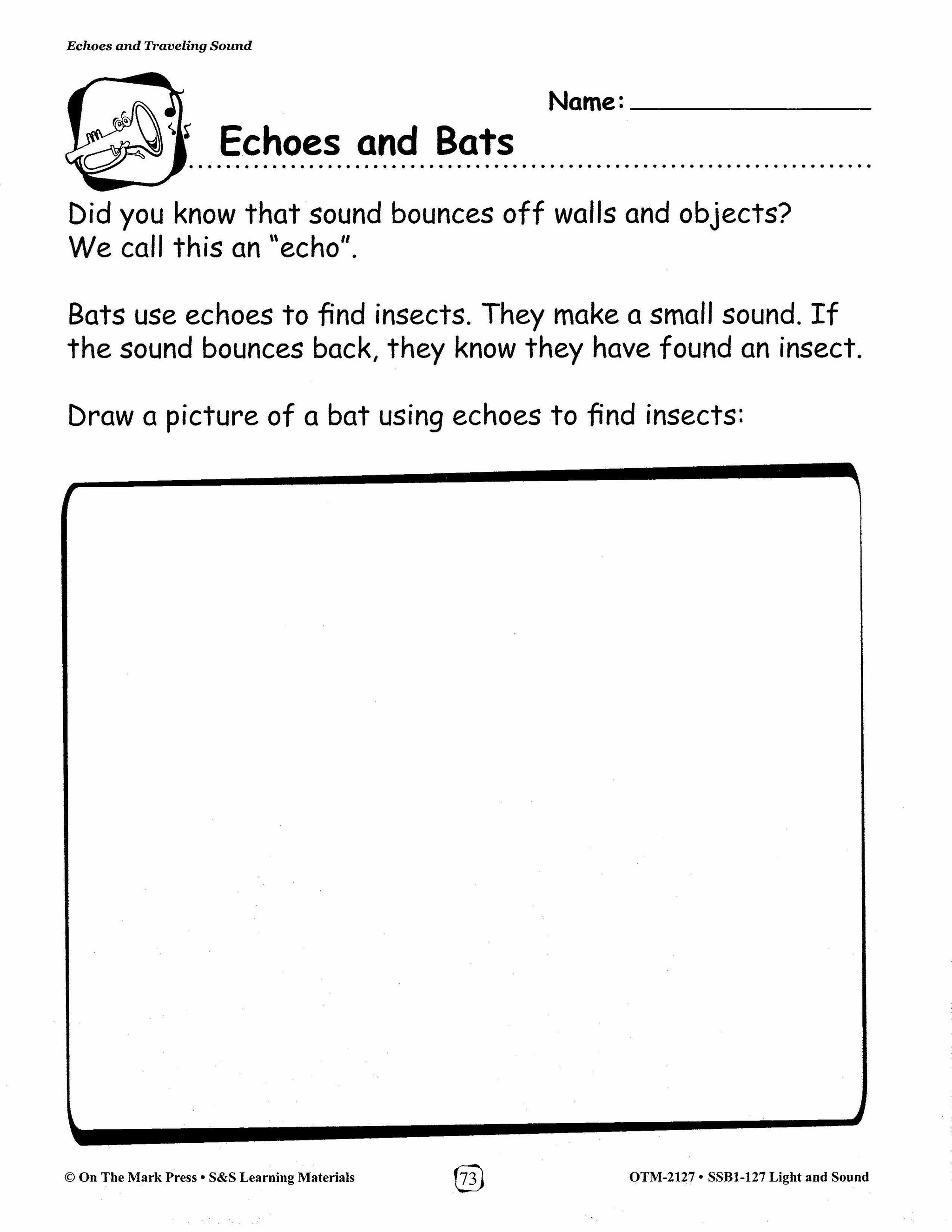
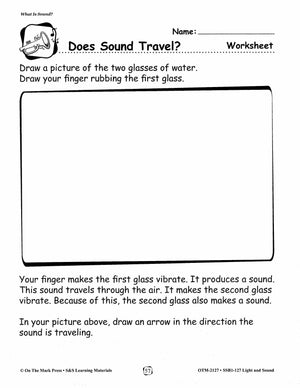
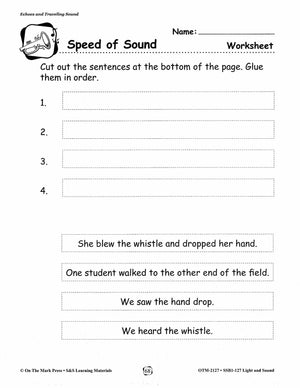
- Echoes and Traveling Sound
- Pitch and Intensity
- Sound Machines
Standards Alignment for Light and Sound (Grades 1–3)
The resource teaches foundational physics concepts—light, shadows, reflection, absorption, sound, pitch, intensity, echoes, and human hearing—while also building scientific inquiry, experimentation, observation, prediction, communication, and technology connections. Examples from the text include:
- “Know how light and sound originate”
- “Understand how light and sound travel”
- “Demonstrate an awareness of the scientific method”
- “Record observations, findings, and measurements”
- “Relate scientific concepts to objects in their environment”
These directly support Canadian science expectations and U.S. Common Core + NGSS standards.
U.S. Standards Alignment
Common Core ELA (Grades 1–3)
Reading Informational Text (RI.1–3)
- Identify main ideas
- Use text features
- Ask/answer scientific questions How met: Worksheets, diagrams, observation tables.
Writing (W.1–3)
- Write explanations
- Record observations How met: Scientific method worksheets, experiment logs.
Language (L.1–3)
- Vocabulary acquisition How met: Light/sound terminology (source, reflection, pitch, intensity).
Speaking & Listening (SL.1–3)
- Participate in discussions
- Report results How met: Group experiments, sharing conclusions.
NGSS – Next Generation Science Standards (Grades 1–3)
1‑PS4‑1: Investigate how light is needed to see. Met: “Can You See in the Dark?” experiment.
1‑PS4‑2: Light travels in straight lines. Met: “Light Travels Straight.”
1‑PS4‑3: Test materials to see if they block light. Met: Shadows, absorption, reflection activities.
1‑PS4‑4: Use tools to communicate over distance (sound). Met: Echoes, traveling sound, sound machines.
2‑PS4‑1: Sound is made by vibrating matter. Met: Pitch, intensity, vibration activities.
3‑PS2 & 3‑PS3 Connections: Energy transfer, motion, cause/effect. Met: Light energy, heat from bulbs, sound energy.
Canadian Curriculum Standards Met
Ontario – Grades 1–3 Science & Technology
- Understanding Matter & Energy: Light & Sound
- Understanding Earth & Space Systems: Daily/seasonal light
- Scientific Inquiry & Design: Predicting, observing, recording
- Relating Science & Technology to Society How met: Experiments on light travel, shadows, reflection, sound vibration, pitch, intensity, and technology use.
British Columbia – Grades 1–3 Science
- Properties of light and sound
- How humans sense and use energy
- Simple experiments and observations How met: Activities on light sources, sound travel, echoes, hearing, and hands‑on investigations.
Alberta – Grades 1–3 Science
- Grade 1: Senses & sensory experiences
- Grade 2: Hot & Cold / Energy
- Grade 3: Hearing & Sound How met: Light as energy, sound vibrations, pitch, intensity, and sensory observations.
Saskatchewan – Grades 1–3 Science
- Characteristics of natural phenomena
- How humans use energy
- Inquiry and problem‑solving How met: Light/sound experiments, energy conversion, shadows, echoes.
Manitoba – Grades 1–3 Science
- Characteristics of materials & energy
- Sound & light interactions
- Scientific inquiry How met: Reflection, absorption, sound travel, measurement, predictions.
Quebec – Science & Technology Cycle 1
- Properties of light and sound
- Technological objects that use energy How met: Light bulbs, energy conversion, sound machines.
Nova Scotia – Grades 1–3 Science
- Light and sound as forms of energy
- Observation and experimentation How met: All hands‑on activities.
New Brunswick – Grades 1–3 Science
- Energy in the environment
- Senses and sound/light How met: Human hearing, echoes, shadows.
Prince Edward Island – Grades 1–3 Science
- Energy forms and interactions How met: Light travel, sound vibration.
Newfoundland & Labrador – Grades 1–3 Science
- Light and sound properties
- Scientific method How met: Predicting, observing, concluding.
Yukon – Follows BC Curriculum
Northwest Territories and Nunavut – Follows Alberta Curriculum